

The 5-day Cairo, Alexandria and El Alamein history holiday links Egypt's ancient monuments with its role in the Second World War. Starting in Cairo, the route runs Cairo → Alexandria → El Alamein → Cairo, taking you from the Pyramids to the Greco-Roman city of Alexander the Great and then to the desert battlefield where, in 1942, the tide of the North African campaign turned.
This private El Alamein battlefield tour is designed for history lovers, families of veterans and travellers who want to understand how ancient and modern history meet on the Mediterranean coast. A private guide explains each site, a private vehicle handles the coast road, and the plan can be adjusted to your interests before booking.
Tour Overview
Egypt's north coast shaped the course of the Second World War in North Africa. Alexandria was the base of the Royal Navy's Mediterranean Fleet, and El Alamein, about 100 km to the west, was where the Allies halted and then defeated the Axis advance in 1942. This Egypt WWII history tour visits those places, alongside the Giza pyramids and the Roman and medieval monuments of Alexandria.
| Duration | 5 days / 4 nights |
| Start and end | Arrival and departure in Cairo |
| Route | Cairo → Alexandria → El Alamein → Cairo |
| Tour type | Private guide and vehicle, tailor-made planning |
| Main sites | Giza, Alexandria, El Alamein War Museum, Commonwealth, German and Italian memorials |
| Accommodation | 2 nights Cairo, 1 night Alexandria, 1 night El Alamein |
| Price | Price on Request, confirmed in a written quotation |
Tour Highlights
Day-by-Day Itinerary: 5-Day Cairo Alexandria and El Alamein History Holiday
This is the recommended plan. Opening hours and traffic can affect timings, so your guide confirms each day's schedule and adjusts stops if needed.
Day 1: Arrival in Cairo
Your representative meets you at Cairo International Airport and drives you to your hotel. After resting, you meet your guide for a briefing on the route.
- Private airport meet and assist
- Hotel check-in and trip briefing
- Evening at leisure
Day 2: Giza Pyramids and Grand Egyptian Museum
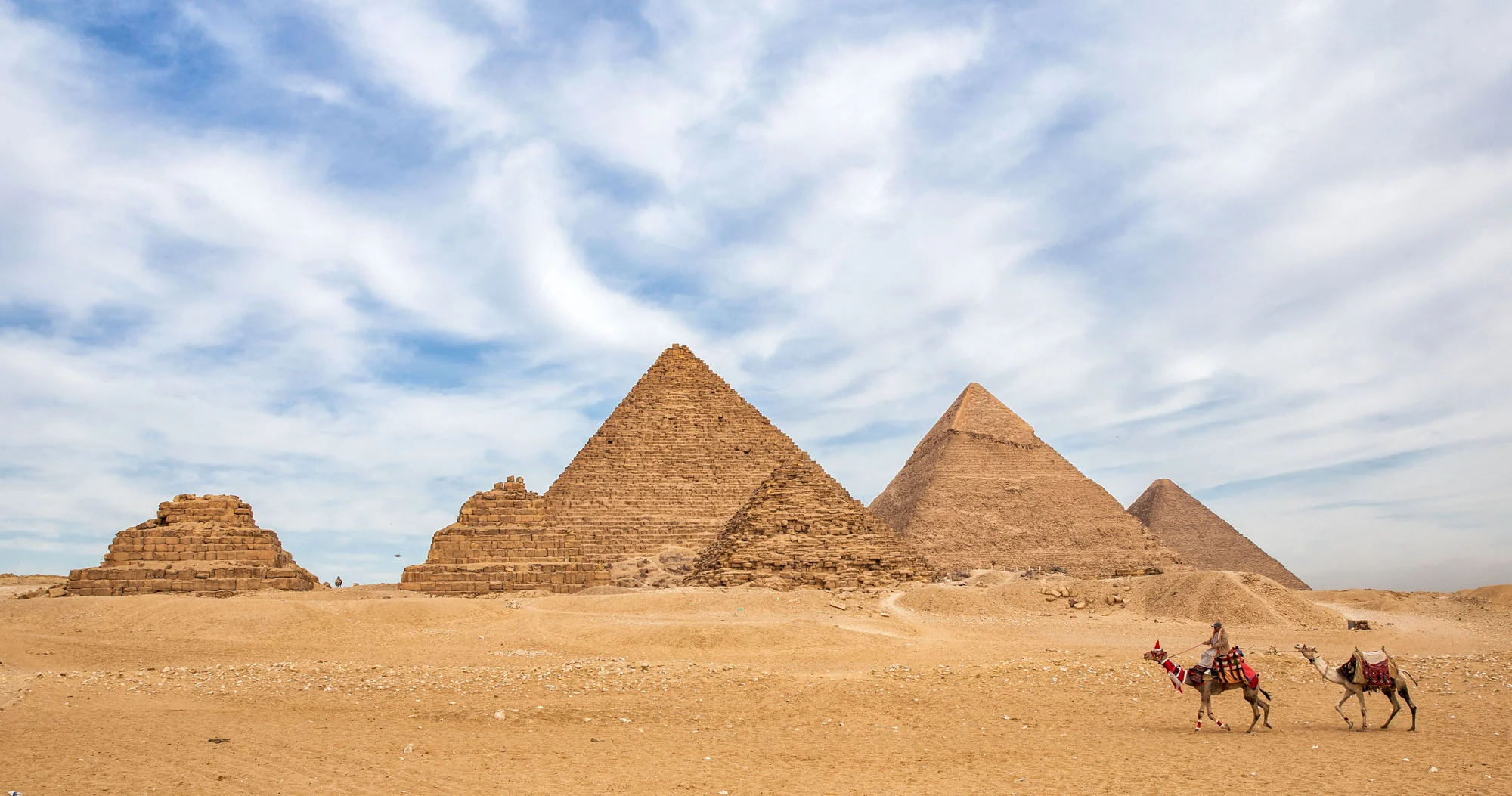
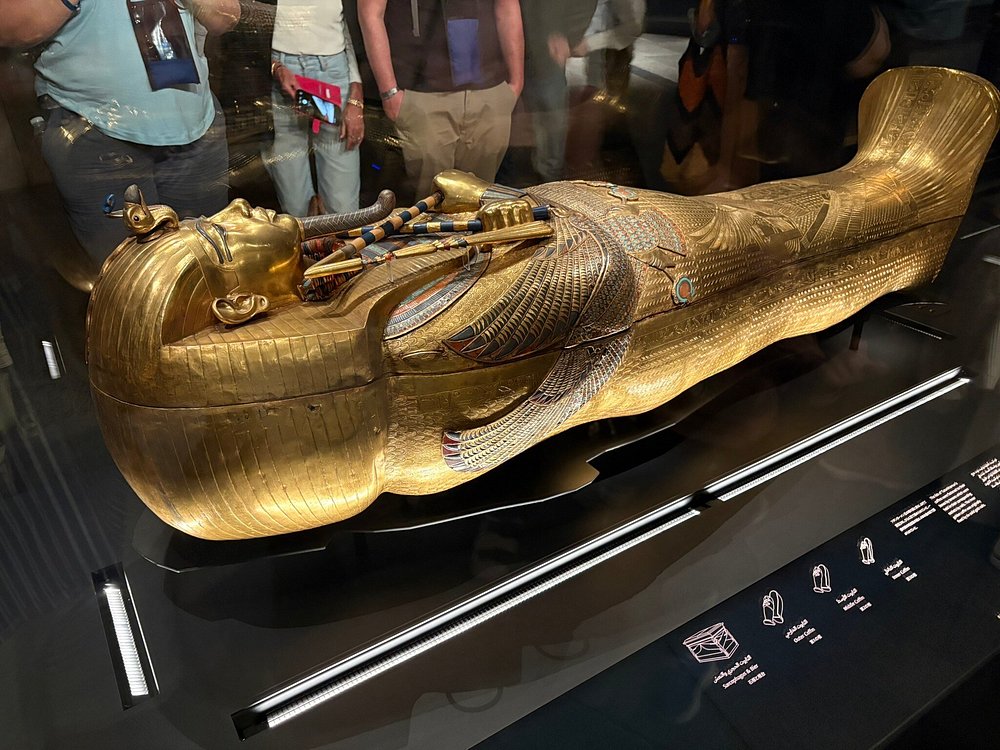
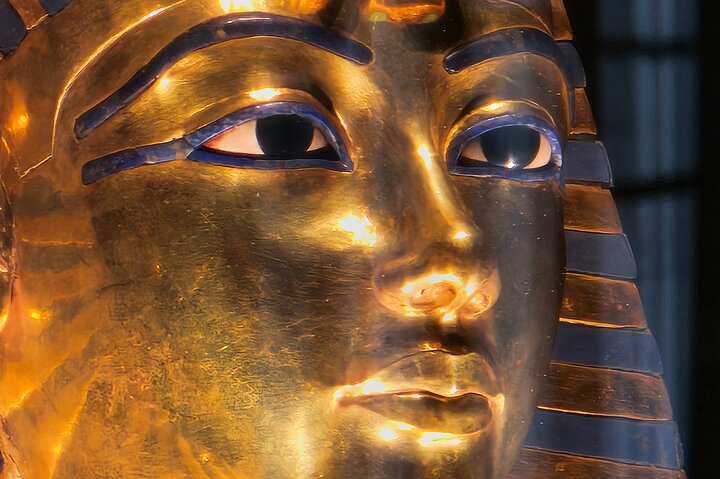
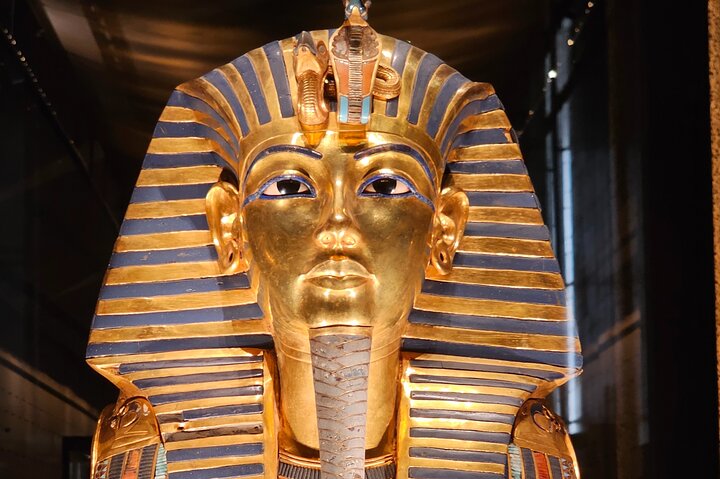
Visit the Giza Plateau for the three great pyramids and the Sphinx, then the Grand Egyptian Museum and the Tutankhamun galleries.
- Great Pyramid, Pyramid of Khafre and Sphinx
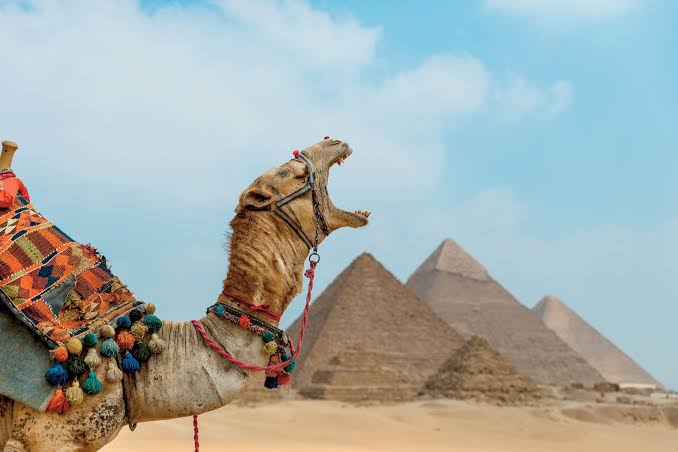
- Panoramic viewpoint over the pyramids
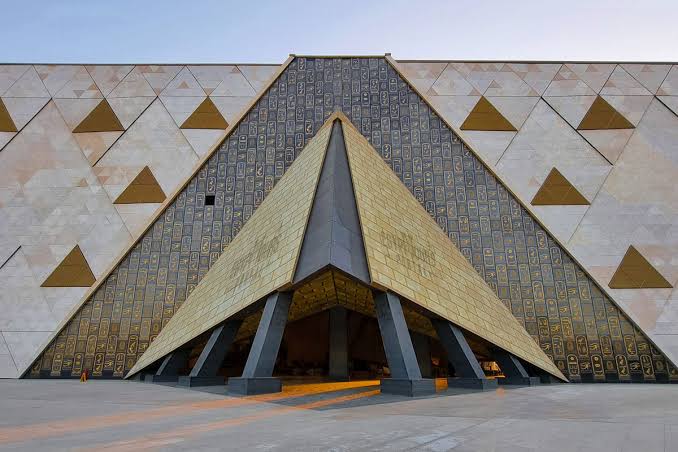
- Grand Egyptian Museum and the Grand Staircase
Day 3: Cairo to Alexandria
Drive north to Alexandria, about three hours, and explore its Roman and medieval highlights before sunset on the corniche.
- Pompey's Pillar and the Catacombs of Kom el-Shoqafa
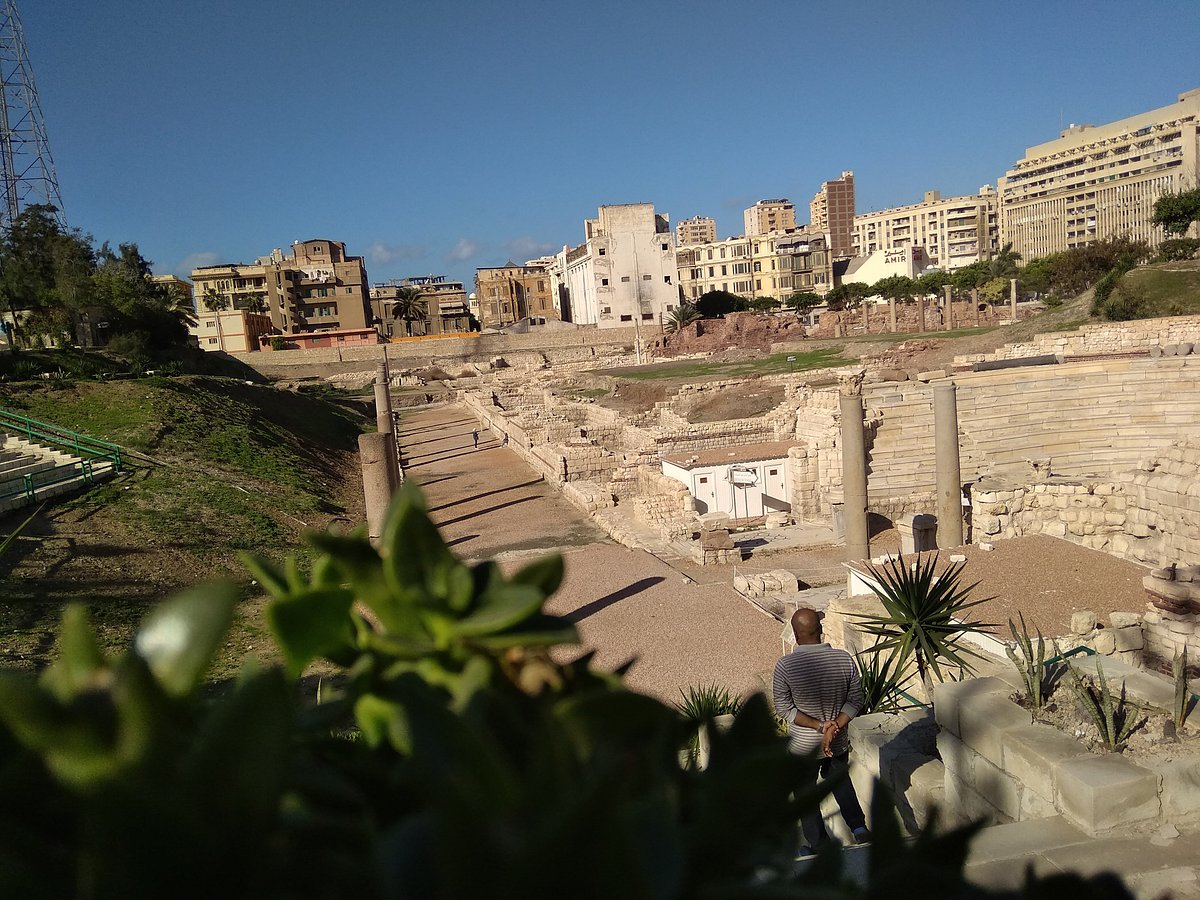
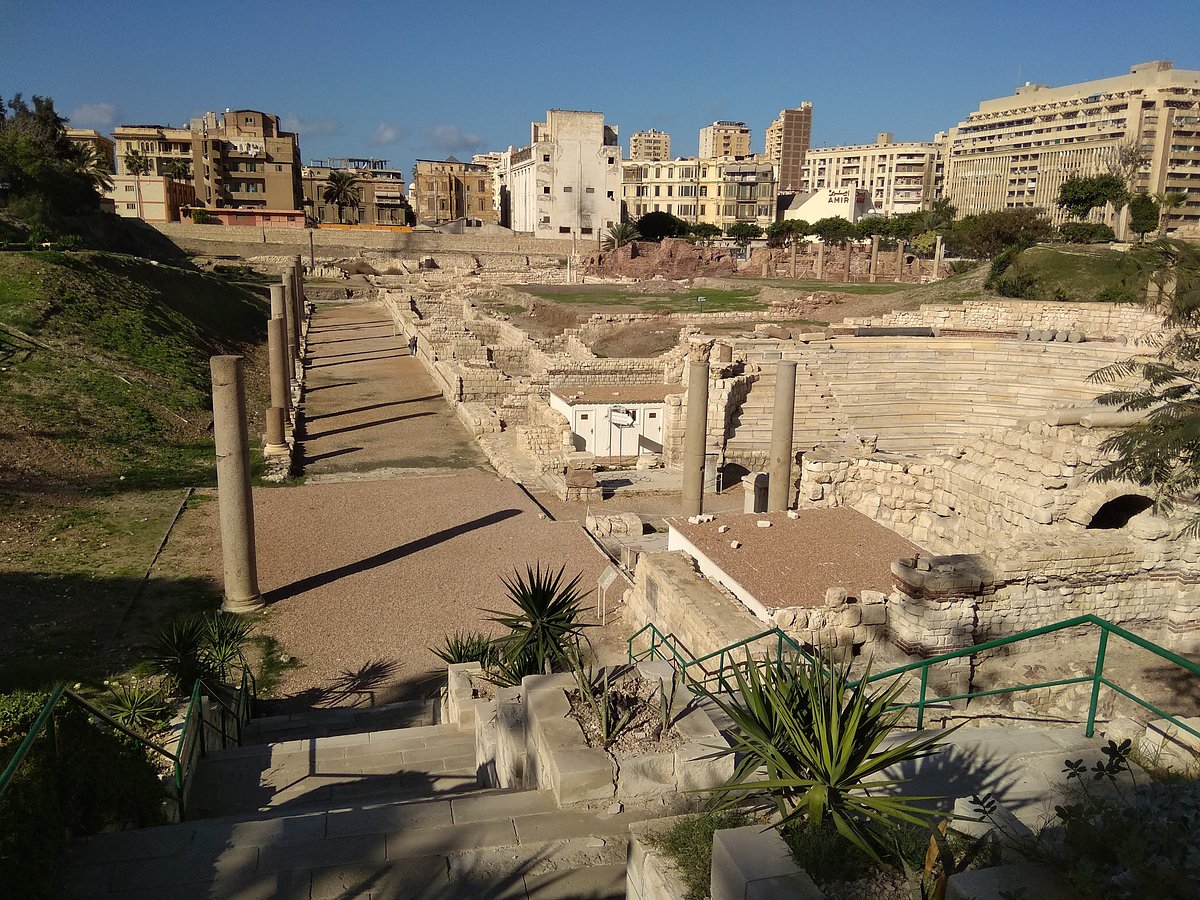
- Roman Amphitheatre at Kom el-Dikka
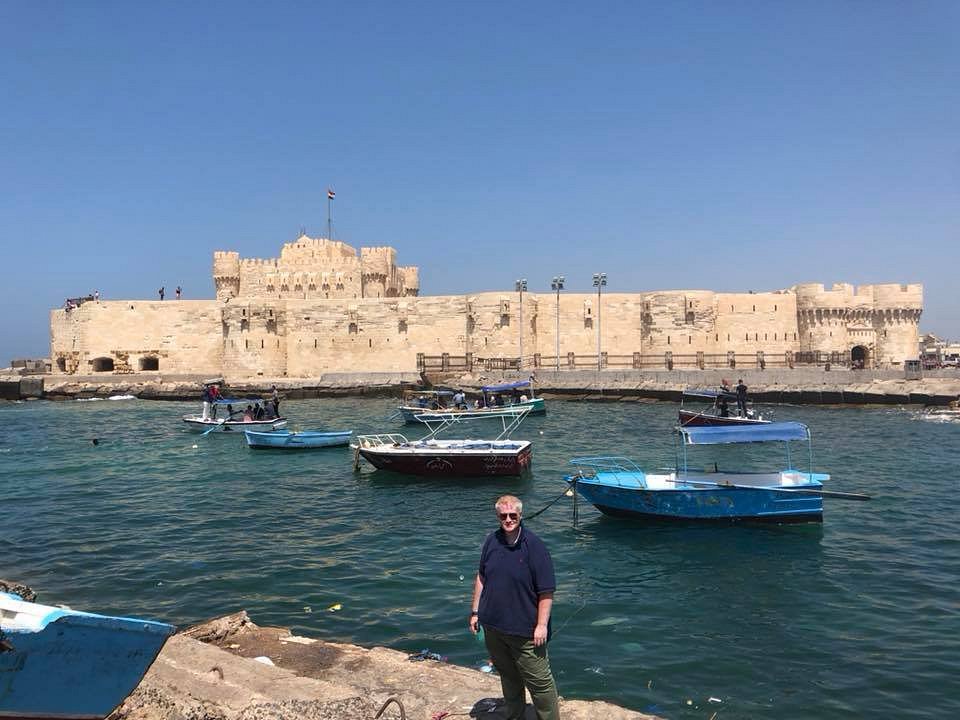
- Citadel of Qaitbay on the Mediterranean
- Seafood dinner on the seafront (own expense)
Day 4: Alexandria, Bibliotheca and El Alamein
Visit the Bibliotheca Alexandrina and a Commonwealth war cemetery in Alexandria, then drive west to El Alamein to explore the battlefield, museum and memorials.
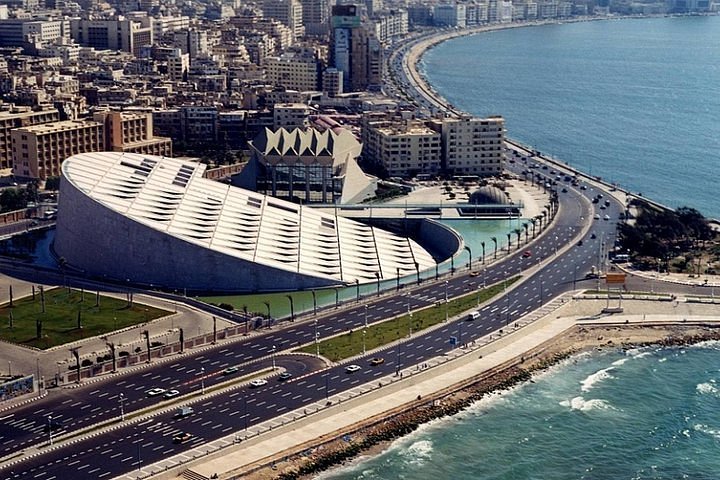
- Bibliotheca Alexandrina
- Commonwealth war cemetery in Alexandria
- Drive Alexandria to El Alamein, about 1.5 hours
- El Alamein War Museum and Commonwealth cemetery
- Sunset by the Mediterranean
Day 5: El Alamein Memorials and Return to Cairo
Visit the German and Italian memorials before driving back to Cairo, about four hours, for your onward flight or hotel.
- German and Italian war memorials
- Optional stop at a beach
- Drive El Alamein to Cairo, around 4 hours
- Private transfer to Cairo airport or hotel
Places You Will Visit and Their History
This Alexandria and El Alamein tour moves from Pharaonic Giza to the battlefields of 1942. Here is the background to each stop.
Giza Pyramids and the Sphinx
The three Giza pyramids were built around 2600 to 2500 BCE for Khufu, Khafre and Menkaure. The Great Pyramid, about 146 metres tall when complete, was the tallest building in the world for thousands of years, and the Sphinx is carved from the plateau's limestone.
Grand Egyptian Museum
The museum beside the plateau tells Egyptian history from prehistory to Roman times and displays the full Tutankhamun collection, over a century after Howard Carter discovered the tomb in 1922.
Alexandria
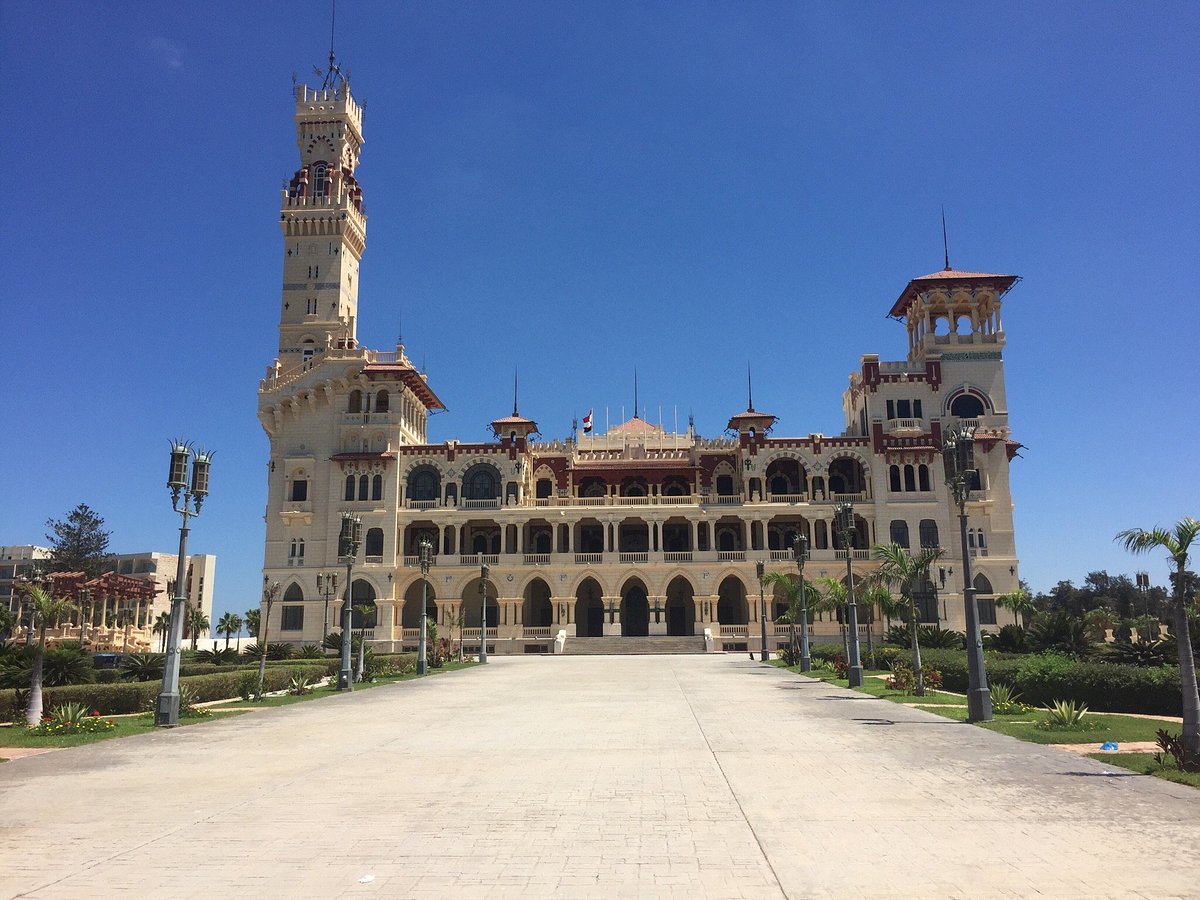
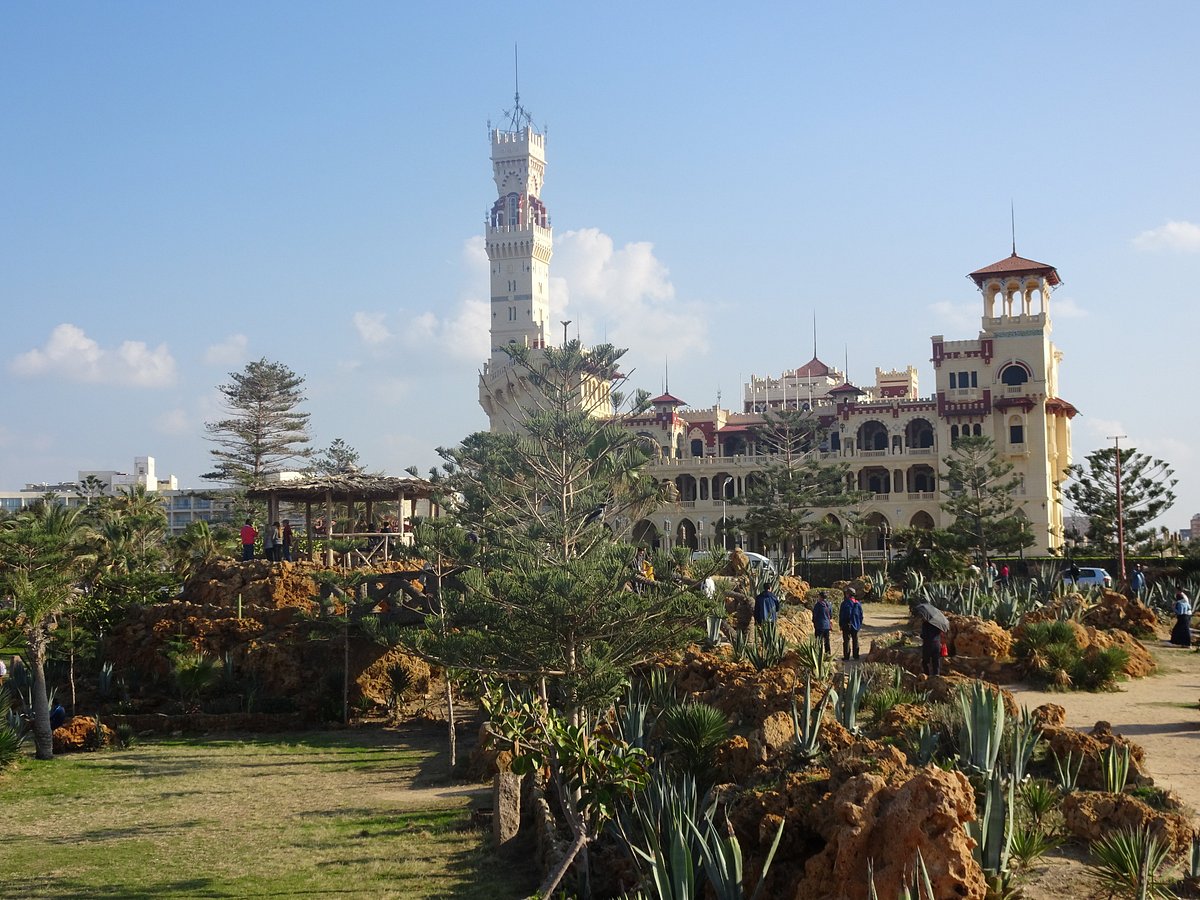
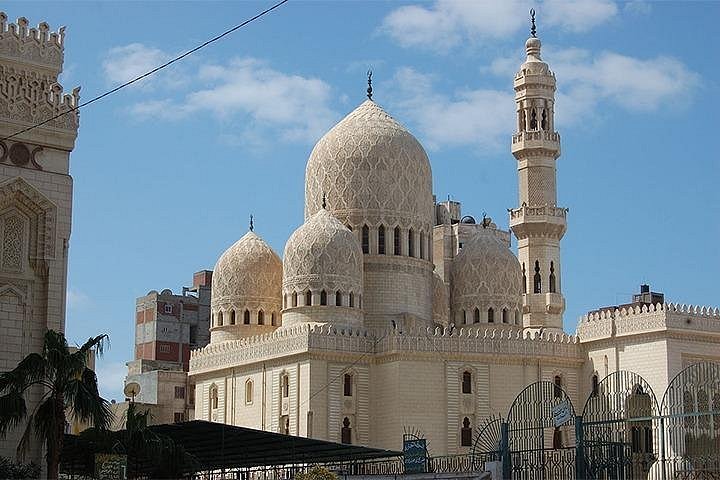
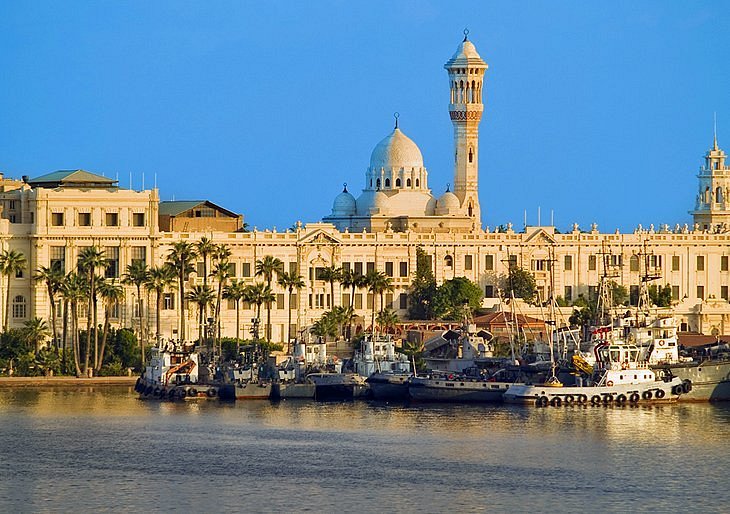
Alexandria was founded in 331 BCE by Alexander the Great and became the Ptolemaic capital, famous for its library and lighthouse. In the 19th and early 20th centuries it became a cosmopolitan port home to Greek, Italian, Jewish and Armenian communities, and the setting for writers such as Constantine Cavafy and Lawrence Durrell.
Pompey's Pillar and the Catacombs
Pompey's Pillar, a red granite column about 25 metres high, was raised in 297 CE for Emperor Diocletian. The Catacombs of Kom el-Shoqafa, from the 1st to 2nd centuries CE, are a spiral of rock-cut tombs with carvings blending Egyptian, Greek and Roman styles.
Roman Amphitheatre and Citadel of Qaitbay
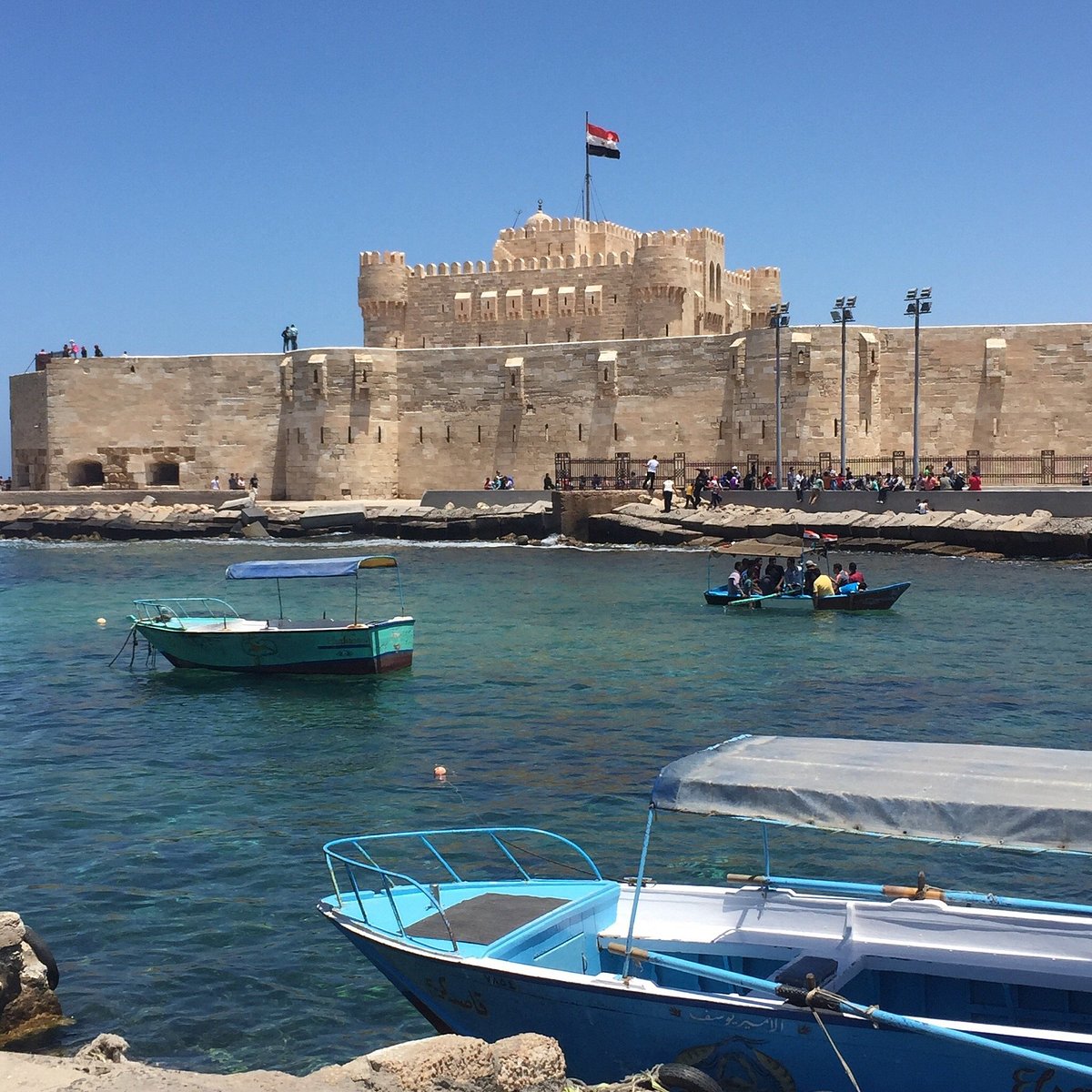
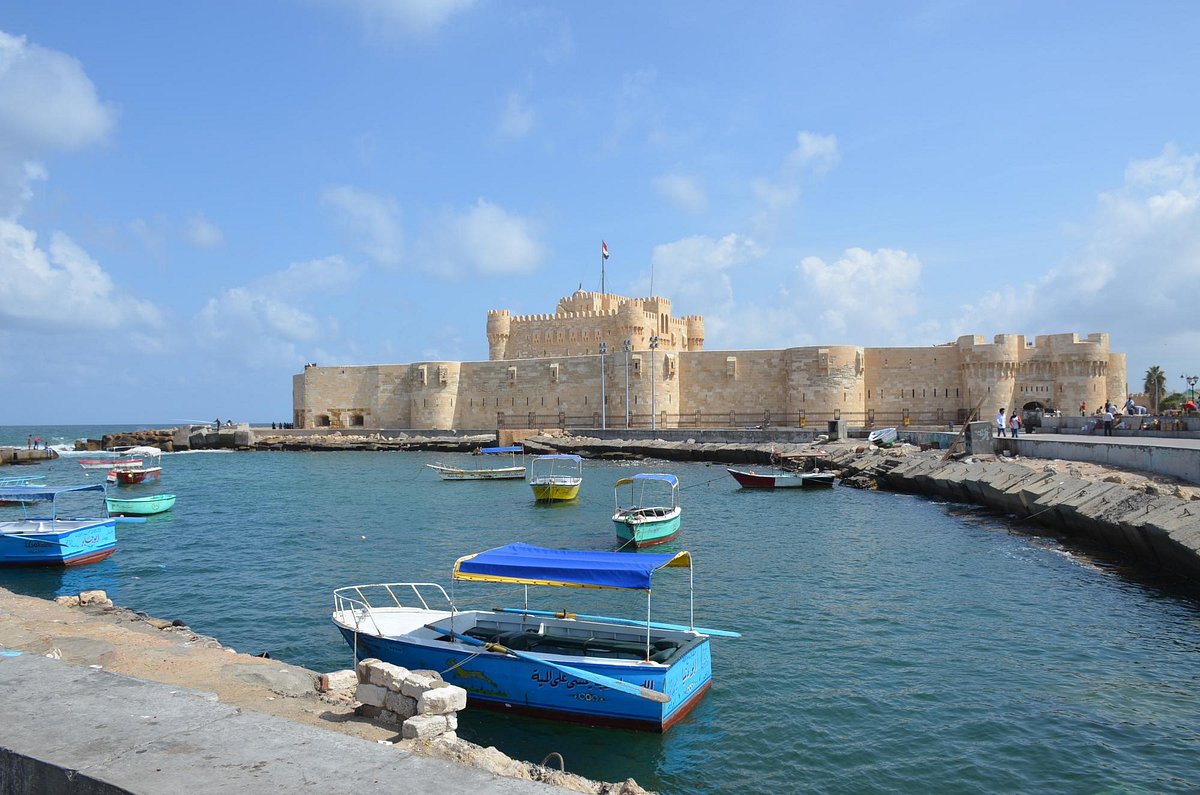
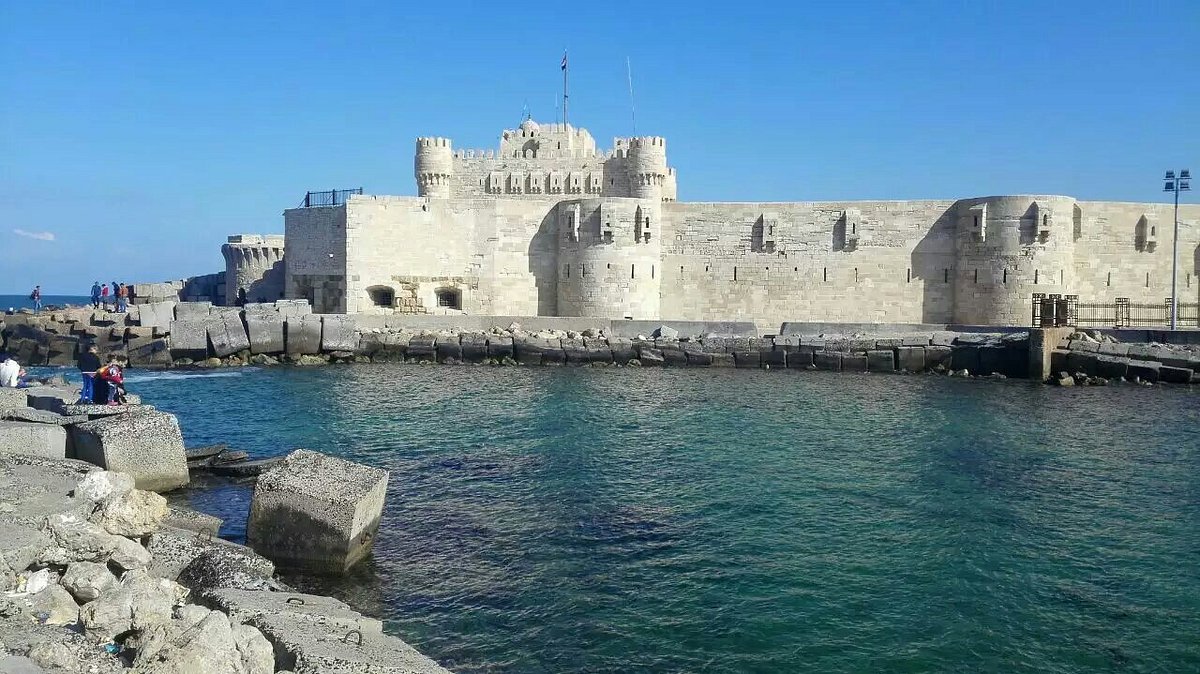
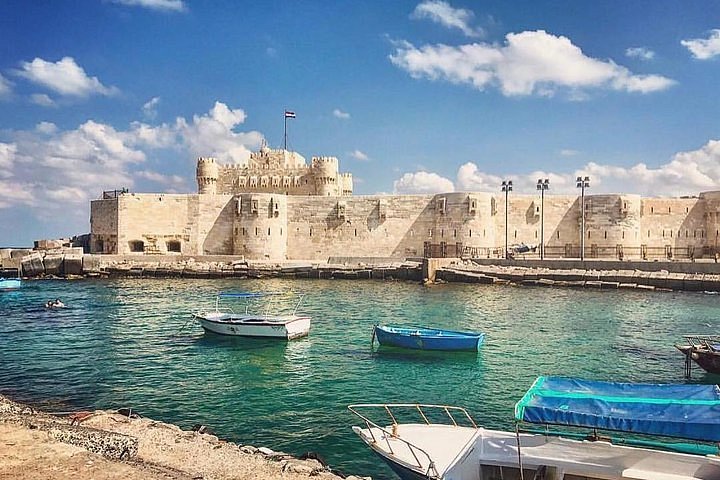
The Roman Amphitheatre at Kom el-Dikka has marble seating in a semicircle. The Citadel of Qaitbay was built in 1477 to 1479 on the site of the ancient Pharos Lighthouse and later served as a coastal fortress.
Alexandria in the Second World War
During the war, Alexandria was the main base of the Royal Navy's Mediterranean Fleet. In December 1941, Italian frogmen entered the harbour and disabled two British battleships. In 1942, the city was a rear base for the battles to the west. Commonwealth war cemeteries in Alexandria commemorate those who died in the campaign.
Bibliotheca Alexandrina
Opened in 2002, the Bibliotheca Alexandrina honours the ancient Library of Alexandria, founded in the 3rd century BCE. Its granite wall carries letters from many alphabets, and the building holds museums and large collections.
El Alamein
El Alamein is a small railway halt on the Mediterranean coast where, in 1942, two decisive battles were fought. Allied forces held the line here against the Axis advance on Alexandria and Cairo, and later broke through. Today it is a quiet place of memorials, museums and beaches.
El Alamein War Museum
The El Alamein War Museum, opened in 1965, displays uniforms, weapons, maps and models, and has tanks and aircraft in its grounds. It tells the story of the campaign from the Allied, German and Italian sides.
Commonwealth War Graves Cemetery
The Commonwealth War Graves Cemetery at El Alamein contains more than 7,000 burials of soldiers from Britain, Australia, New Zealand, South Africa, India and other nations, with rows of white headstones facing the desert. A memorial wall lists the names of those with no known grave.
German and Italian Memorials
The German memorial, a fortress-like structure on a coastal hill, and the Italian memorial, a tall tower of stone, commemorate thousands of soldiers who fought for the Axis. Both overlook the sea and add a sombre perspective to the battlefield.
The Battles of El Alamein: Why They Matter
The First Battle of El Alamein, fought in July 1942, halted the Axis advance toward Alexandria and Cairo. The Second Battle of El Alamein, from late October to early November 1942, saw the British Eighth Army under General Montgomery break the Axis line, forcing Rommel's Panzer Army to retreat. It is widely regarded as a turning point of the war in North Africa.
Soldiers from across the Commonwealth and from Free France, Greece, Italy and Germany fought here. The desert battlefield still holds the traces of that campaign, and areas outside the memorials remain dangerous because of unexploded mines, so visits stay within marked sites.
Timeline: Alexandria and El Alamein
Visiting War Memorials: Etiquette and Safety
Activities on This Holiday
Accommodation and Meals
You stay two nights in Cairo, one night in Alexandria and one night in El Alamein. Hotel category is confirmed in your written proposal according to your budget and dates. El Alamein has resort hotels near the coast. Breakfast is included at hotels, and other meals follow your quotation.
Transport and Driving Times
All transfers and sightseeing drives use a private air-conditioned vehicle. Approximate driving times are:
| Cairo to Alexandria | Around 3 hours |
| Alexandria to El Alamein | Around 1.5 hours |
| El Alamein to Cairo | Around 4 hours |
Times are approximate and depend on traffic and checkpoints.
What Is Included and Not Included
Final inclusions are always confirmed in writing before payment.
Prices
The price depends on your dates, hotel category, number of travellers and vehicle type. Send us your plan and we will reply with a clear written quotation.
| Book on WhatsApp |
| [email protected] |
Booking and Cancellation
Share your dates, number of adults and children and preferred comfort level. We send a personalised itinerary, you approve the details, and you pay by Cash, PayPal, Binance, Visa or Mastercard. Cancellation and amendment terms depend on the hotels selected and are stated in your written quotation. Call or message us on +20 100 925 5585.
Best Time to Go and What to Pack
The best time for an El Alamein and Alexandria tour is spring and autumn, from March to May and September to November, when days are warm and the sea breeze is pleasant. Winters can be cool and rainy on the coast, and July and August are hot and humid. The anniversary of the Second Battle falls in late October. Pack layers, a light jacket, a sun hat, sunscreen, comfortable walking shoes and modest clothing for memorials.
Frequently Asked Questions
Can I find a relative's grave at El Alamein?
Is the El Alamein battlefield safe to visit?
Is this tour only for history lovers?
Can I visit in October for the anniversary?
Can I extend to Siwa or Luxor?
Related Tours and Guides
Browse all Egypt holiday packages, or read about Cairo and Giza.
Five days from Cairo to Alexandria and El Alamein with a private guide. Share your dates and we will prepare your personal proposal.
| Book on WhatsApp |
| Call +20 100 925 5585 |
| Email [email protected] |
Available daily for trip planning and booking support · Pay by Cash, PayPal, Binance, Visa or Mastercard