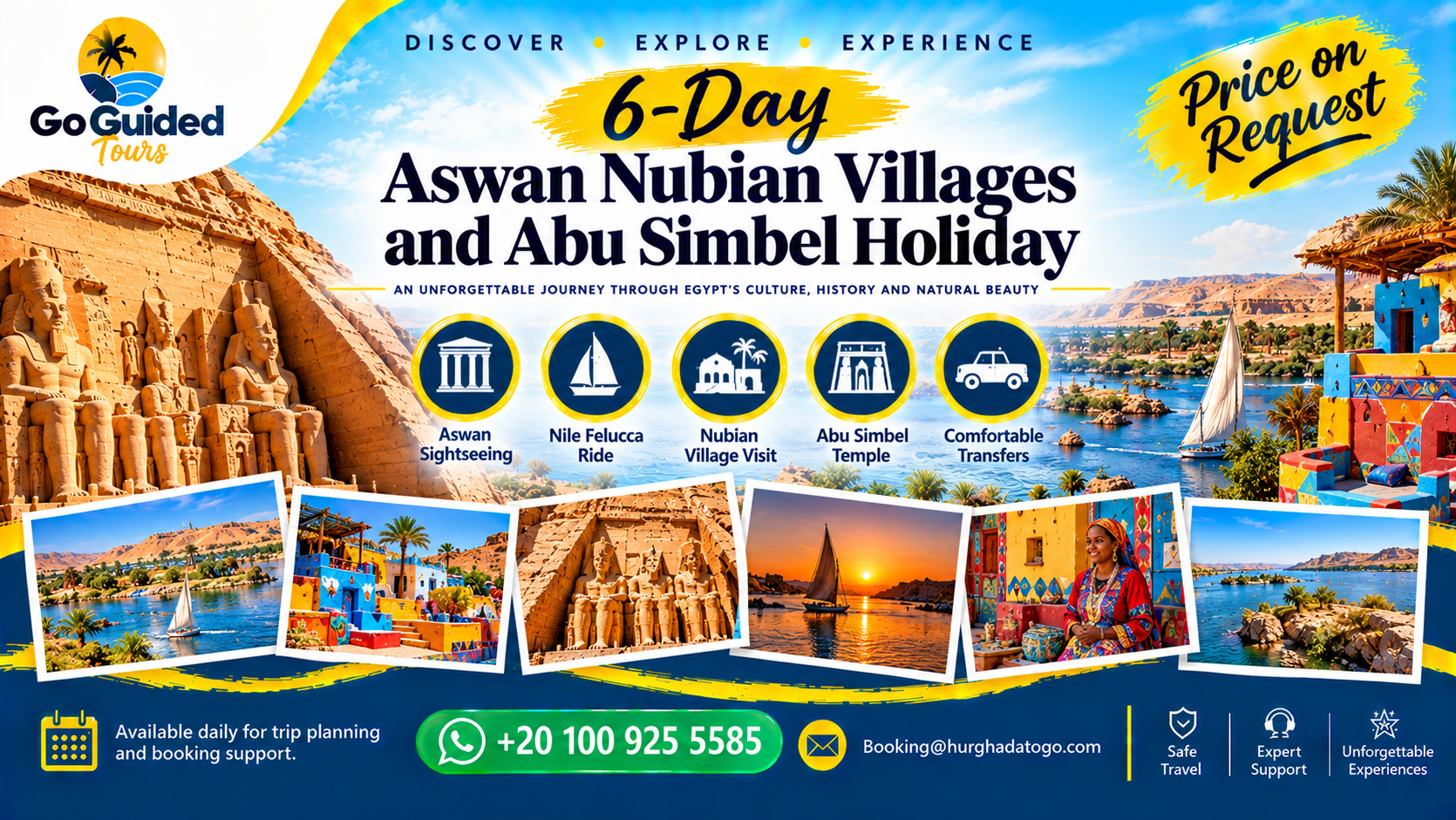
The 6-day Aswan Nubian villages and Abu Simbel holiday explores the southern end of Egypt, where the Nile meets Nubia, a land of colourful villages, island temples and monuments rescued from the rising waters. The route runs Aswan → Elephantine Island → Nubian Village → Kalabsha → Abu Simbel, combining history with warm local hospitality.
This private Nubia tour from Aswan is for travellers who want culture as well as monuments. A private guide explains the history, local Nubian families welcome you into their homes, and the plan can be adjusted to your dates and pace before booking.
Tour Overview
Aswan is the gateway to Nubia, the region that stretches from the First Cataract of the Nile into northern Sudan. This Aswan and Abu Simbel tour stays in the south for six days, giving you time for the island of Elephantine, a visit to a Nubian village, the rescued temples of Kalabsha and the great temples of Abu Simbel, with an overnight at Abu Simbel to see them in the quiet of early morning.
| Duration | 6 days / 5 nights |
| Start and end | Arrival and departure at Aswan |
| Route | Aswan → Elephantine Island → Nubian Village → Kalabsha → Abu Simbel |
| Tour type | Private guide and vehicle, tailor-made planning |
| Main sites | Elephantine Island, Nubian village, Philae, Kalabsha, Abu Simbel |
| Accommodation | 3 nights Aswan, 1 night Abu Simbel, 1 night Aswan |
| Price | Price on Request, confirmed in a written quotation |
Tour Highlights
Day-by-Day Itinerary: 6-Day Aswan Nubian Villages and Abu Simbel Holiday
This is the recommended plan. Boat schedules, road conditions and weather affect timings, so your guide confirms each day's schedule and adjusts stops if needed.
Day 1: Arrival in Aswan
Your representative meets you at Aswan airport and drives you to your hotel. In the evening, stroll along the Corniche and through the Aswan souq.
- Private airport meet and assist
- Hotel check-in and trip briefing
- Evening walk on the Corniche and in the souq
Day 2: Elephantine Island and Nubian Museum
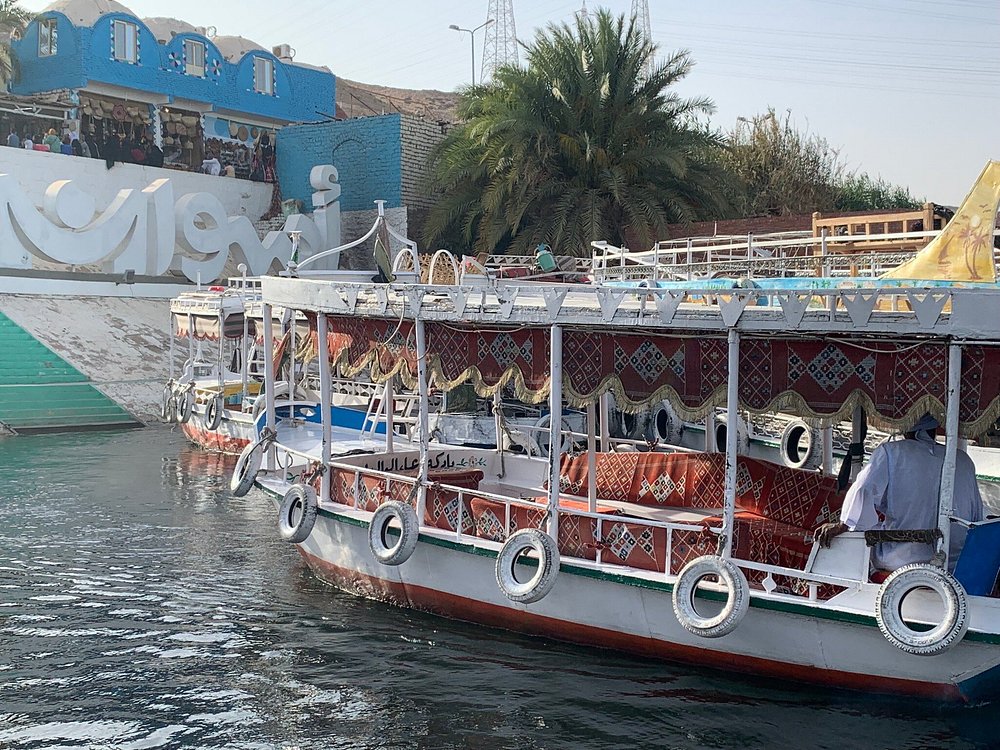
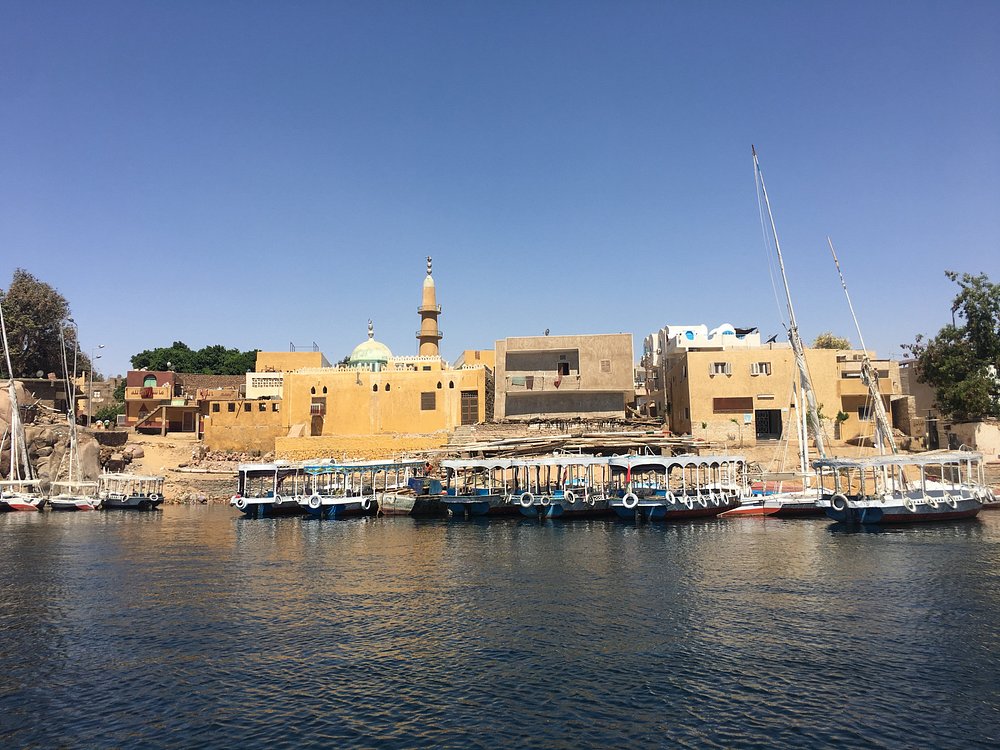
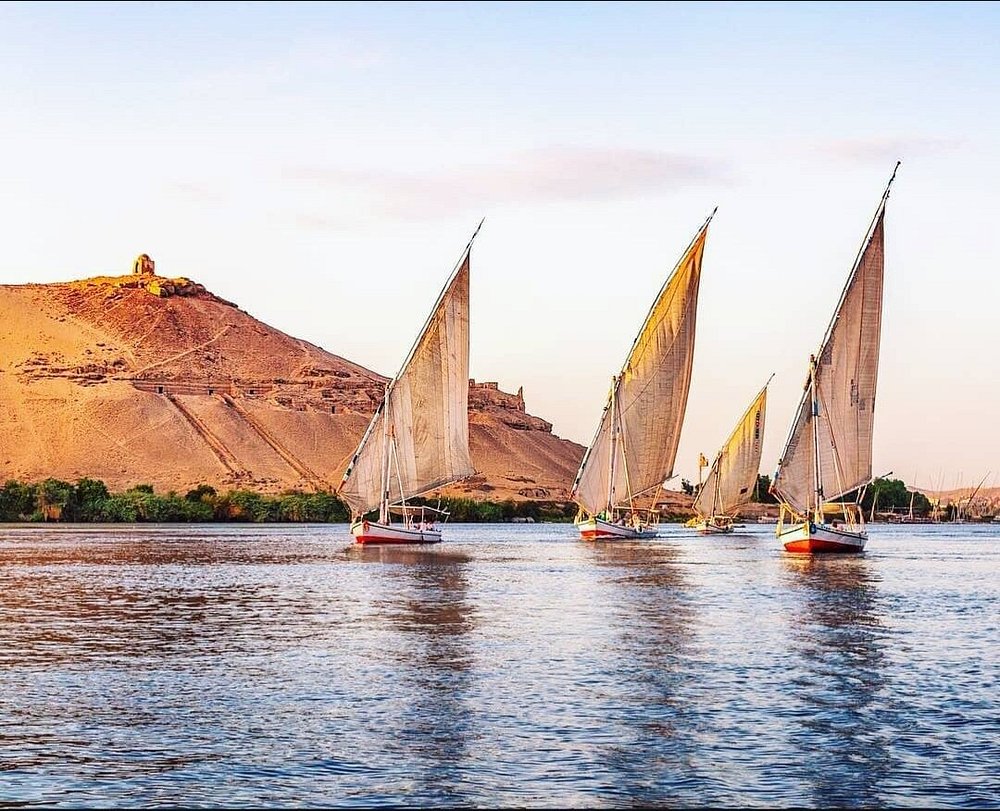
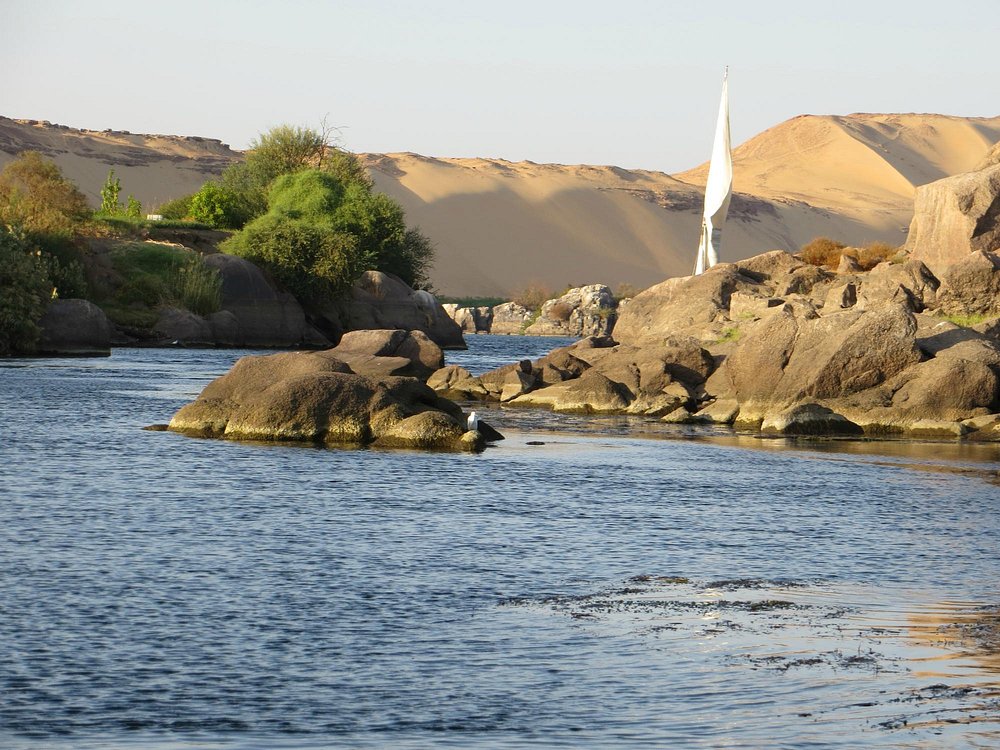
Cross by boat to Elephantine Island to see the Nilometer, the Aswan Museum and the ruins of the ancient town, then walk through the island's Nubian villages. After lunch, visit the Nubian Museum and ride a felucca at sunset.
- Nilometer and Temple of Khnum ruins
- Aswan Museum on Elephantine
- Nubian villages of the island
- Nubian Museum in Aswan
- Felucca ride at sunset
Day 3: Nubian Village and Philae Temple
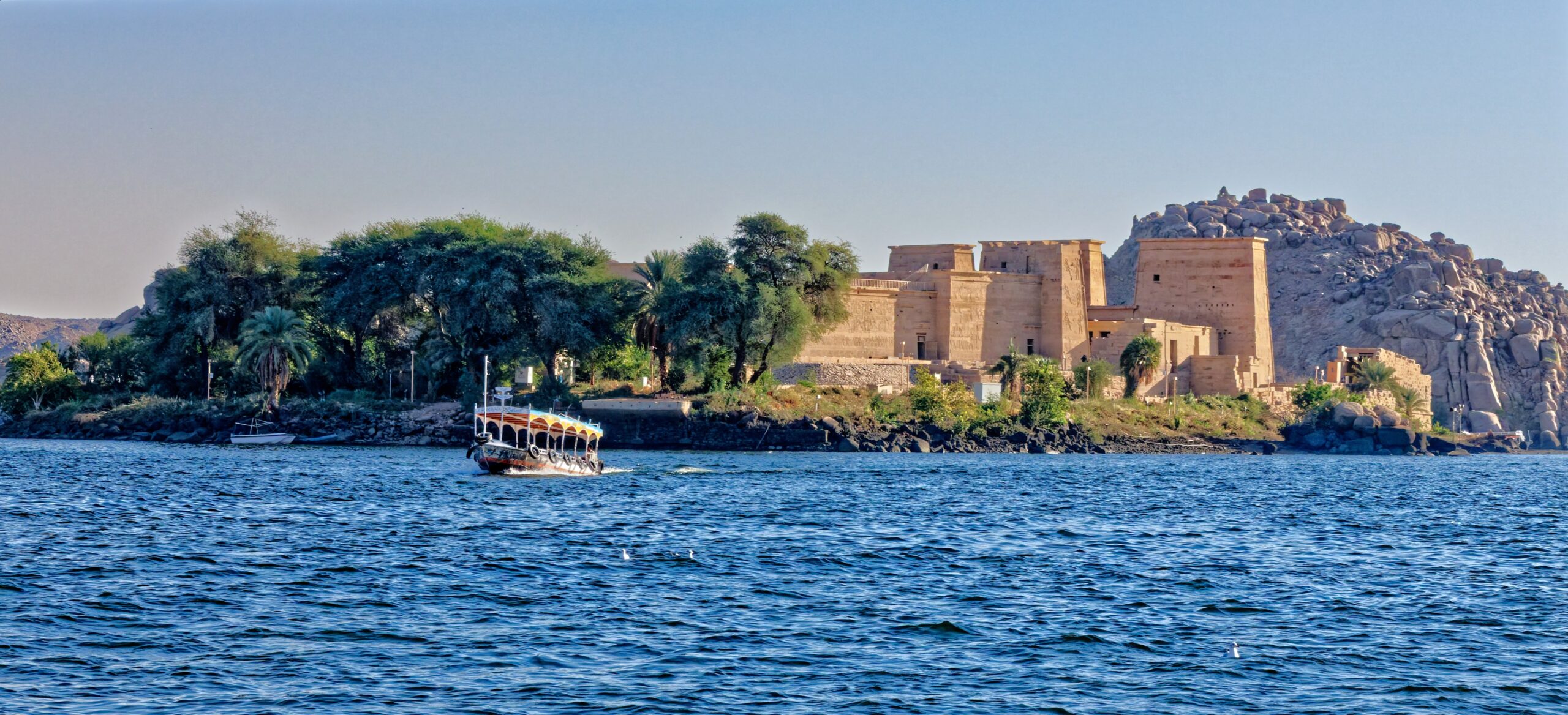
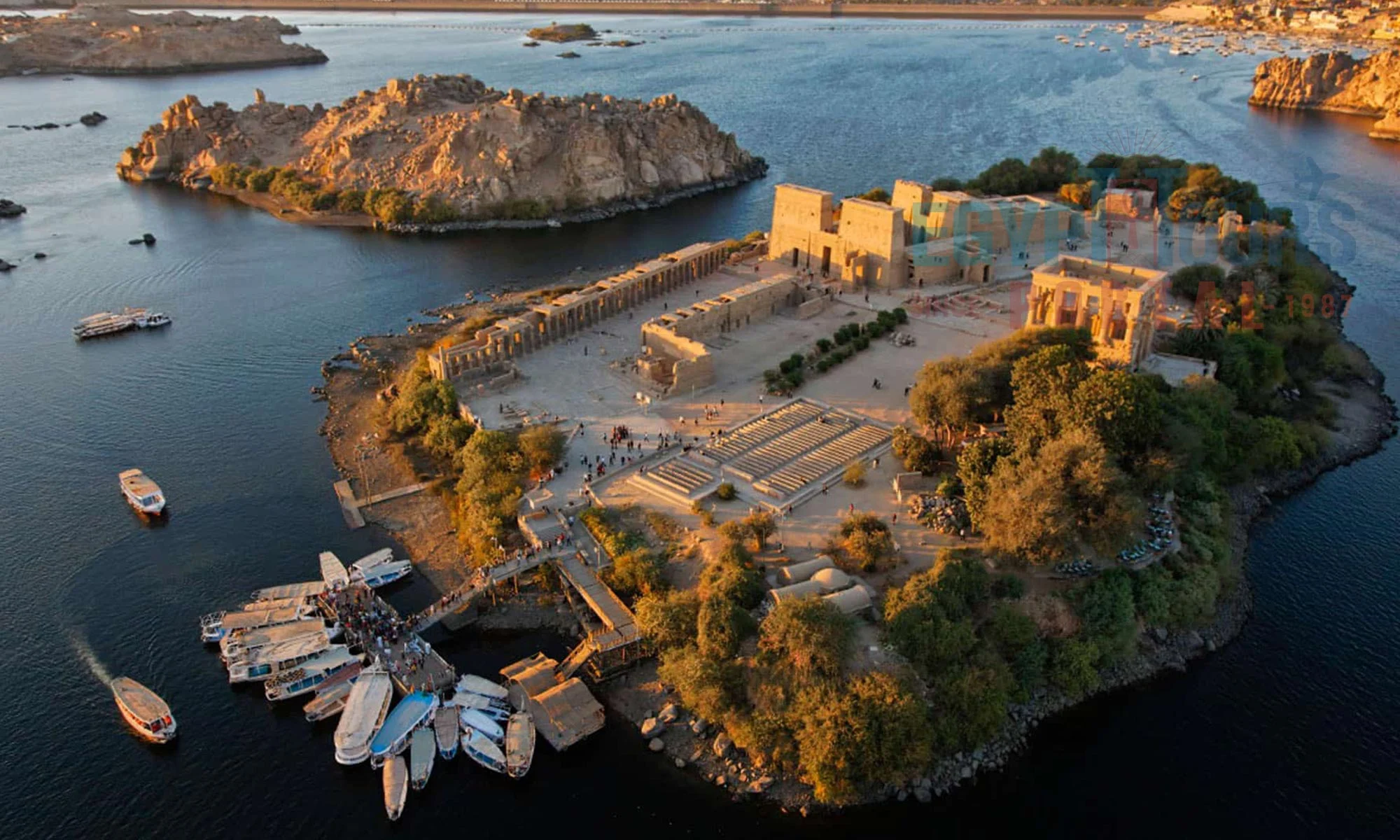
Visit a Nubian village on the west bank for a warm welcome, tea, lunch and local crafts. In the afternoon, take a motorboat to the Temple of Philae.
- Boat crossing to a west-bank Nubian village
- Nubian house visit, henna and traditional lunch
- Philae Temple on Agilkia Island
- Optional camel ride in the village
Day 4: High Dam, Kalabsha and Drive to Abu Simbel
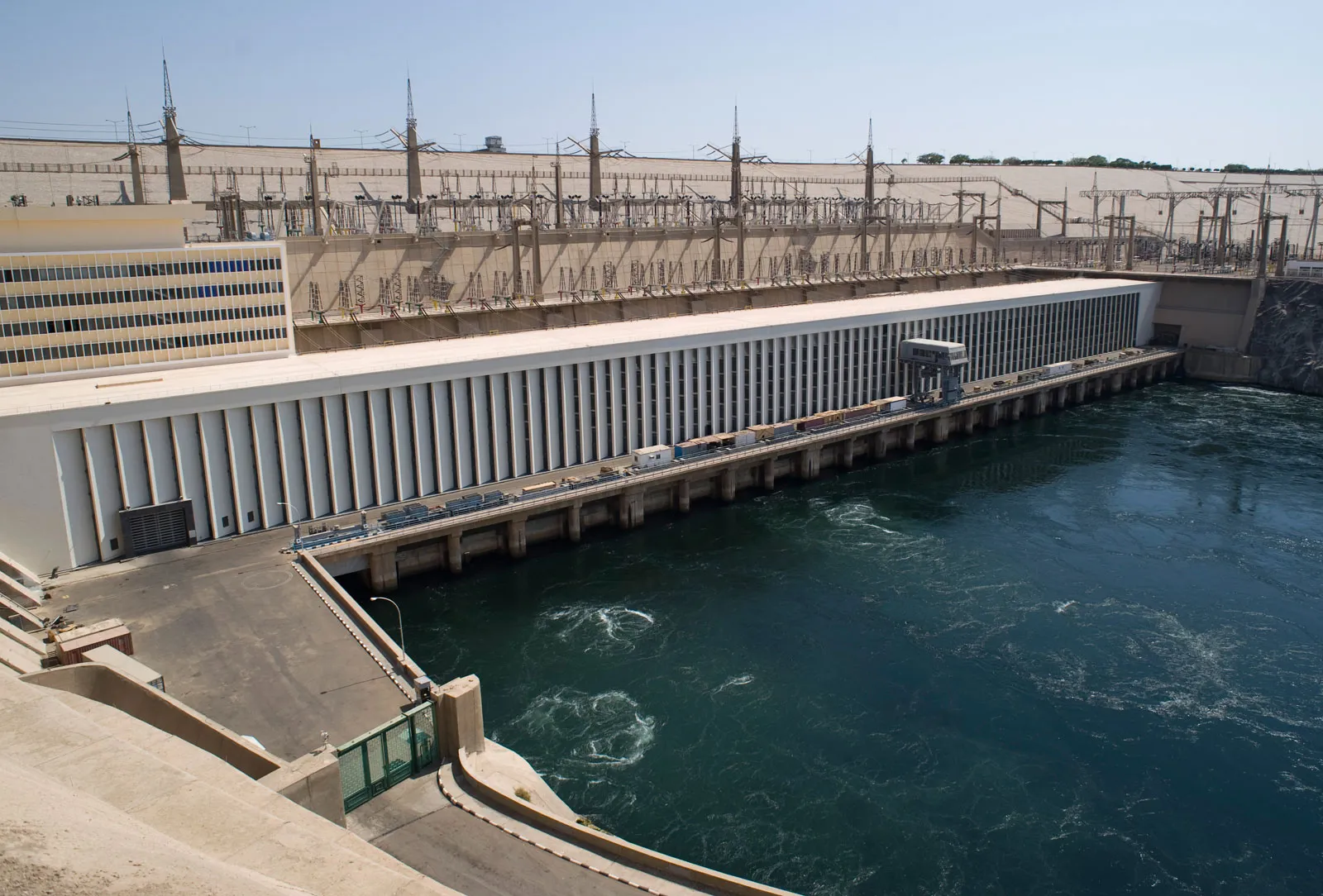
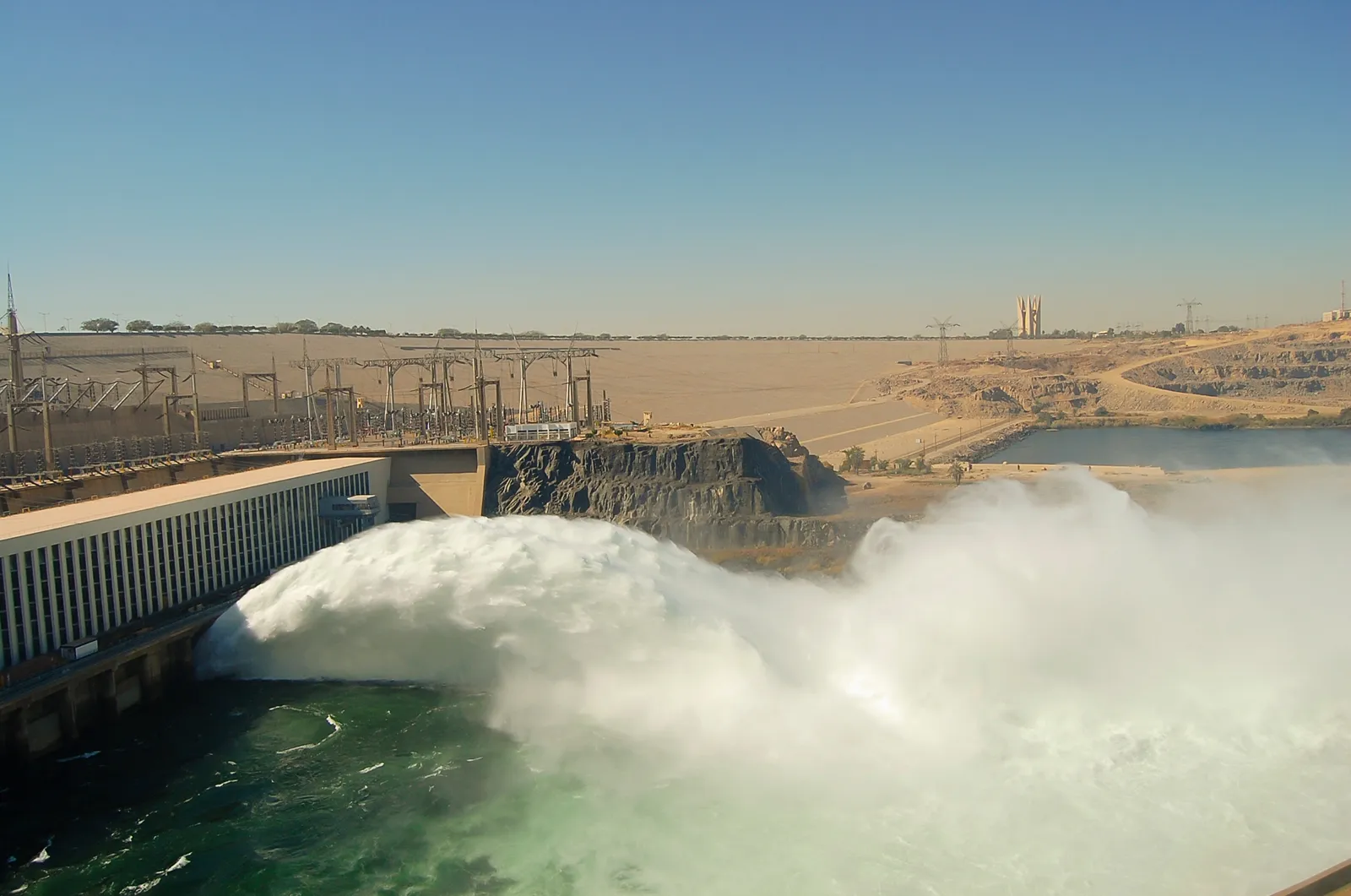
Visit the Aswan High Dam, then cross by motorboat to Kalabsha, Beit el-Wali and the Kertassi Kiosk. In the afternoon, drive south to Abu Simbel.
- Aswan High Dam and view over Lake Nasser
- Kalabsha Temple, Beit el-Wali and Kertassi Kiosk
- Drive Aswan to Abu Simbel, around 3 hours
- Evening in Abu Simbel and sunset by the lake
Day 5: Abu Simbel and Return to Aswan
Visit the Great Temple of Ramesses II and the Temple of Nefertari in the quiet of early morning, then drive back to Aswan for a free afternoon.
- Great Temple of Ramesses II
- Temple of Nefertari and Hathor
- Drive back to Aswan, around 3 hours
- Free afternoon and optional Aswan market visit
Day 6: Departure from Aswan
After breakfast, a private transfer takes you to Aswan airport for your onward flight, or you can extend your stay with a Nile cruise or Lake Nasser cruise.
- Private airport transfer
- Optional extension to Luxor or a Nile cruise
Places You Will Visit and Their History
This Nubian heritage tour visits places where Egyptian, Kushite, Roman and modern history meet. Here is the background to each stop.
Aswan
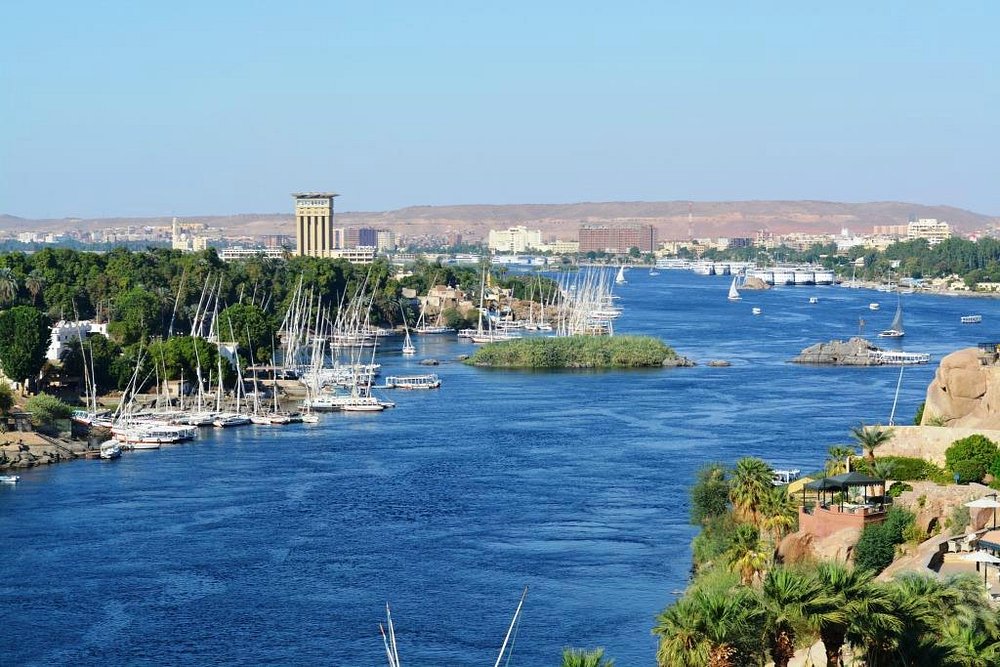
Aswan is the southernmost city of Egypt's Nile Valley and was long a frontier town and trading post. Granite from its quarries was used for obelisks and temples across the country, and today it is a relaxed city with a lively Corniche.
Elephantine Island
Elephantine, called Abu in ancient Egyptian, was Egypt's southern border town and a hub of the ivory trade. The island holds the ruins of a temple of Khnum and the Nilometer, a stairway used to measure the Nile flood and set taxes. Papyri found here describe a Jewish military colony of the 5th century BCE.
Aswan Museum and Kitchener's Island
The Aswan Museum, set in a former villa on Elephantine, displays finds from the island and the region. Nearby, Kitchener's Island is a botanical garden planted with exotic trees in the late 19th century.
Nubian Museum
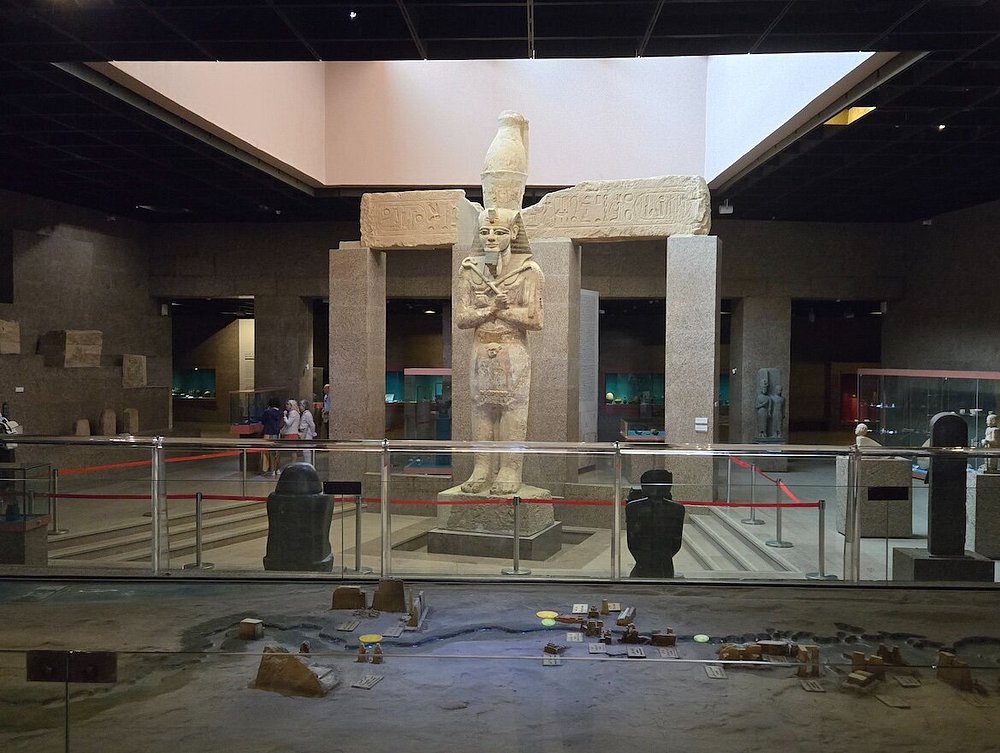
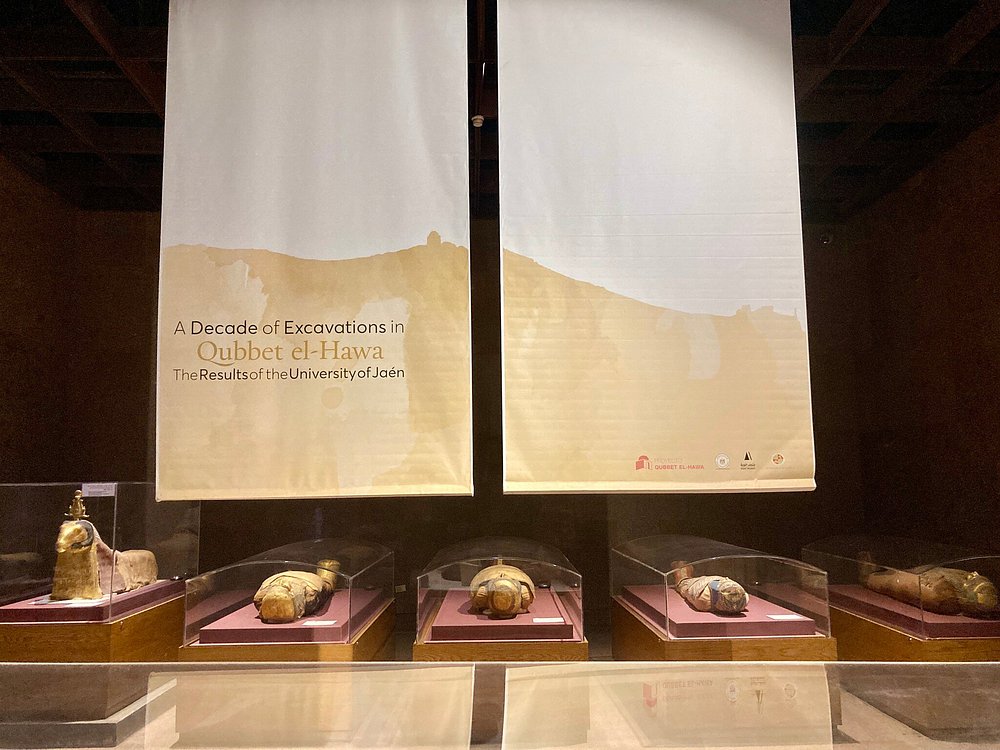
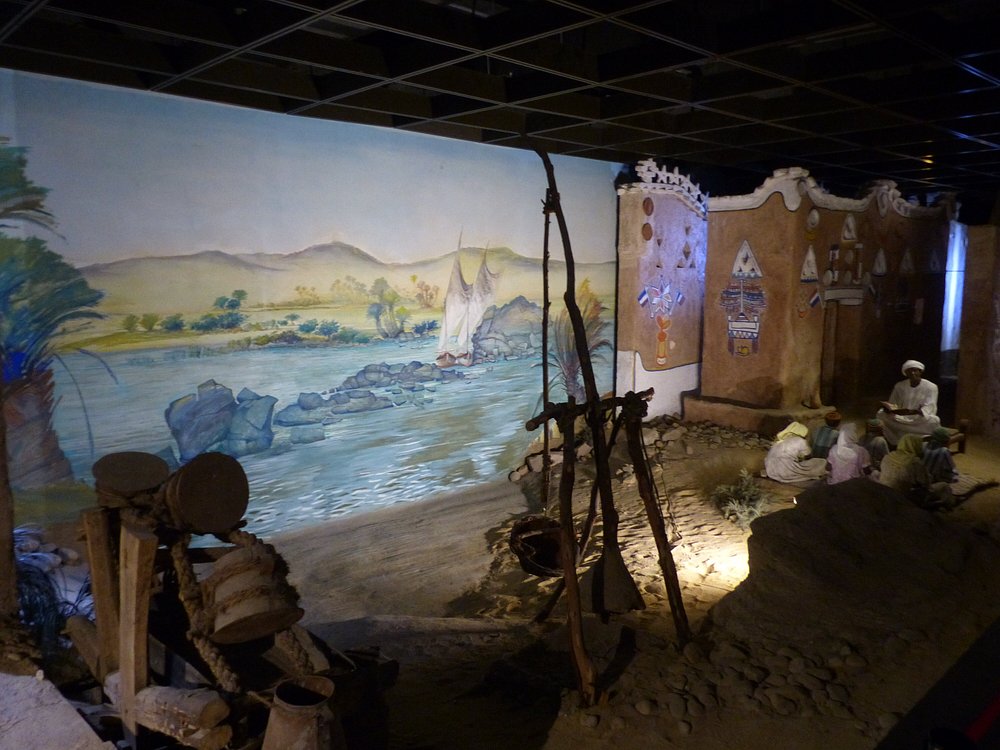
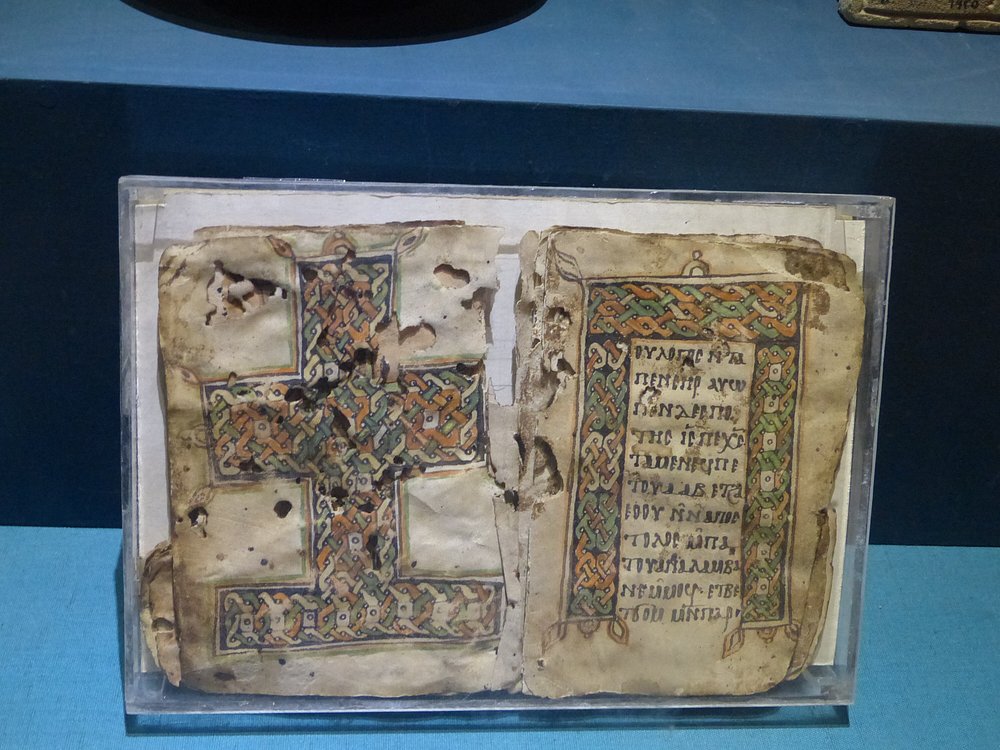
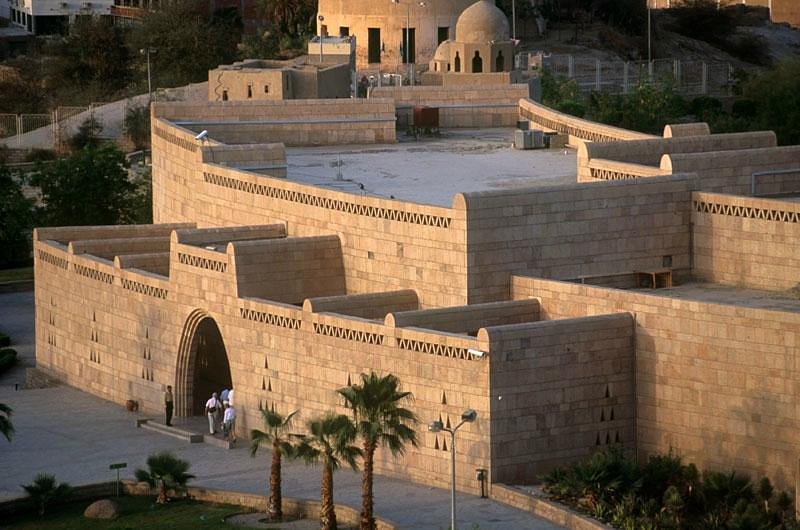
Opened in the 1990s, the Nubian Museum in Aswan tells the story of Nubia from prehistory to the present, with statues, jewellery, rock carvings and displays on the monuments saved by UNESCO.
Nubian Village
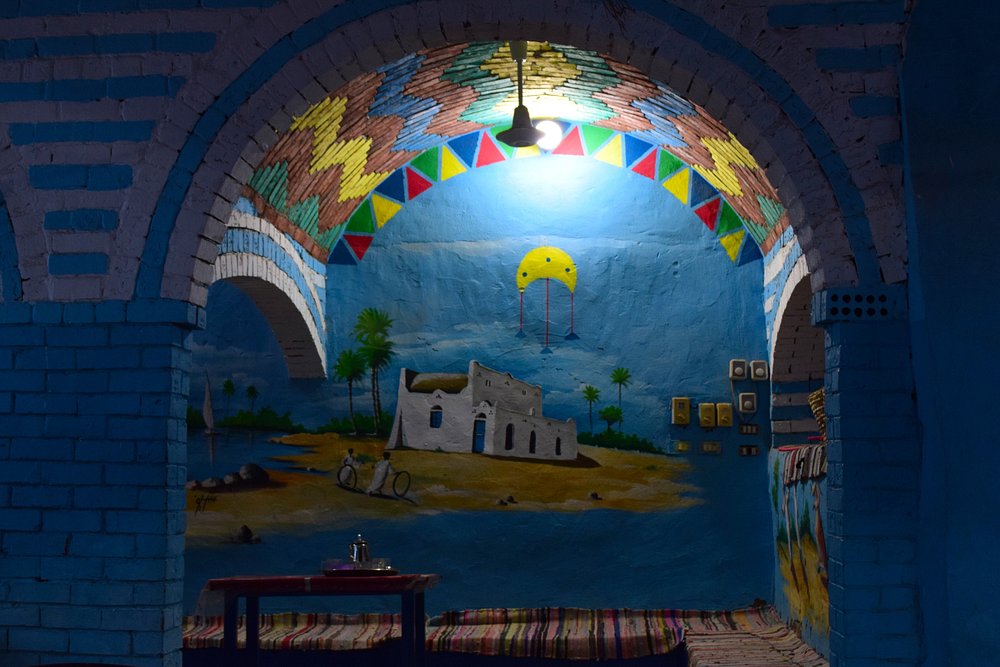
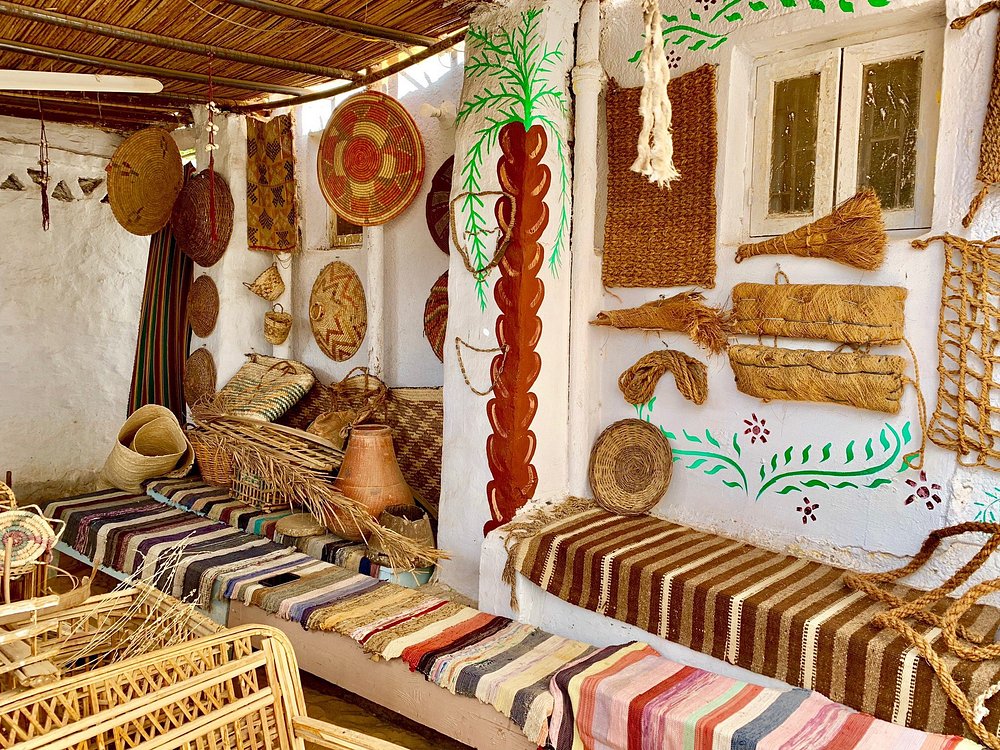
The Nubian villages on the west bank and on Elephantine have brightly painted houses, domed rooms and courtyards. Families here keep Nubian traditions of music, cooking, henna and handicrafts alive, and welcome visitors for tea and meals.
Philae Temple
The Temple of Isis at Philae was rebuilt on Agilkia Island between 1972 and 1980 after the Aswan High Dam flooded its original island. It was a major pilgrimage site in the Ptolemaic and Roman periods.
Aswan High Dam
Built between 1960 and 1970, the High Dam ended the Nile's annual flood and created Lake Nasser. It flooded much of Egyptian Nubia and prompted the UNESCO rescue campaign for the monuments.
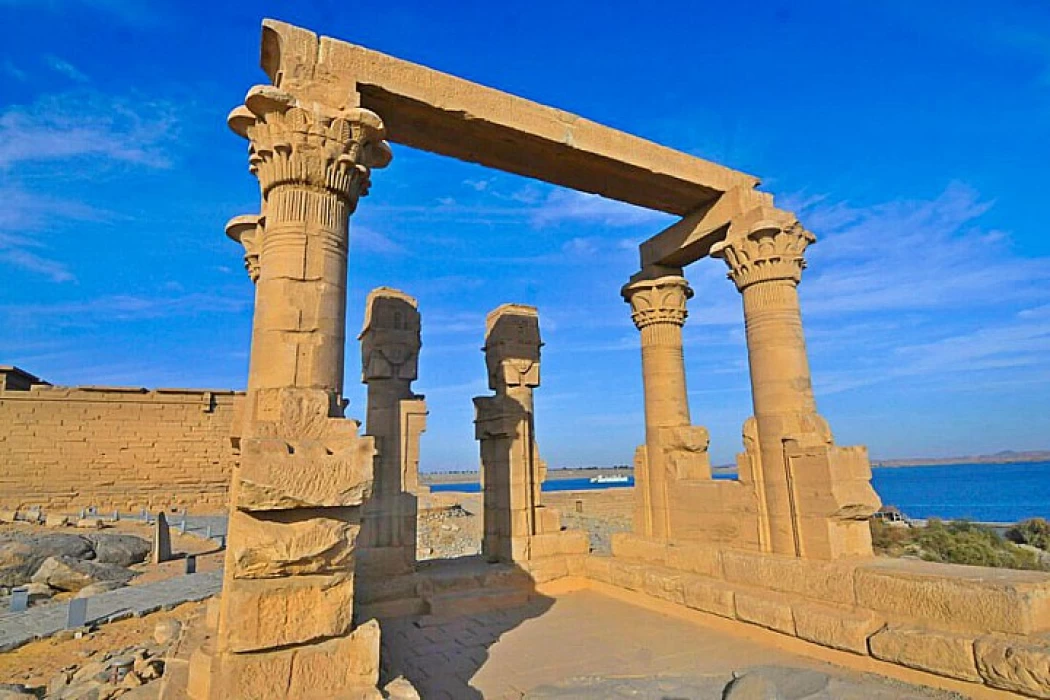
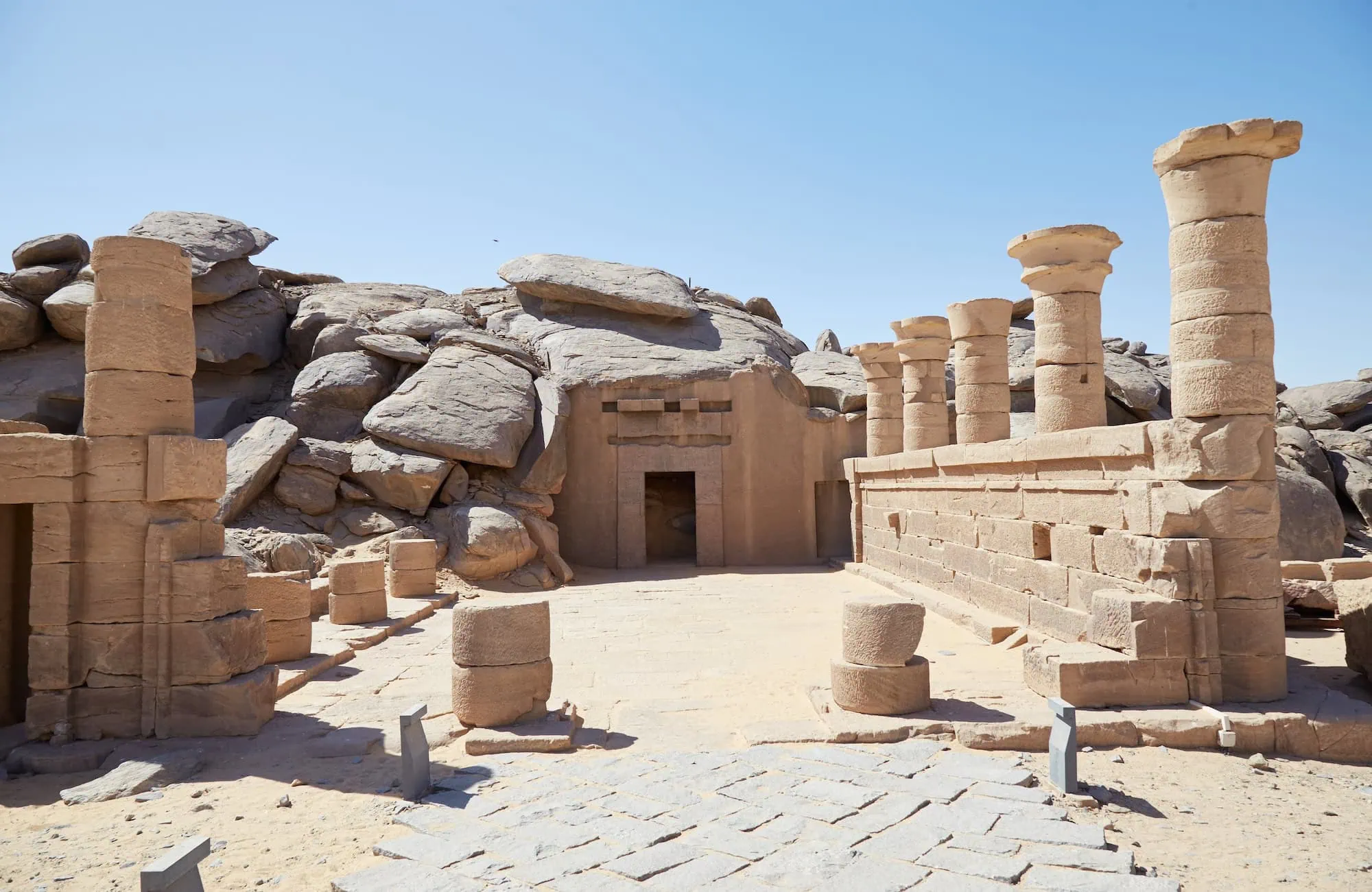
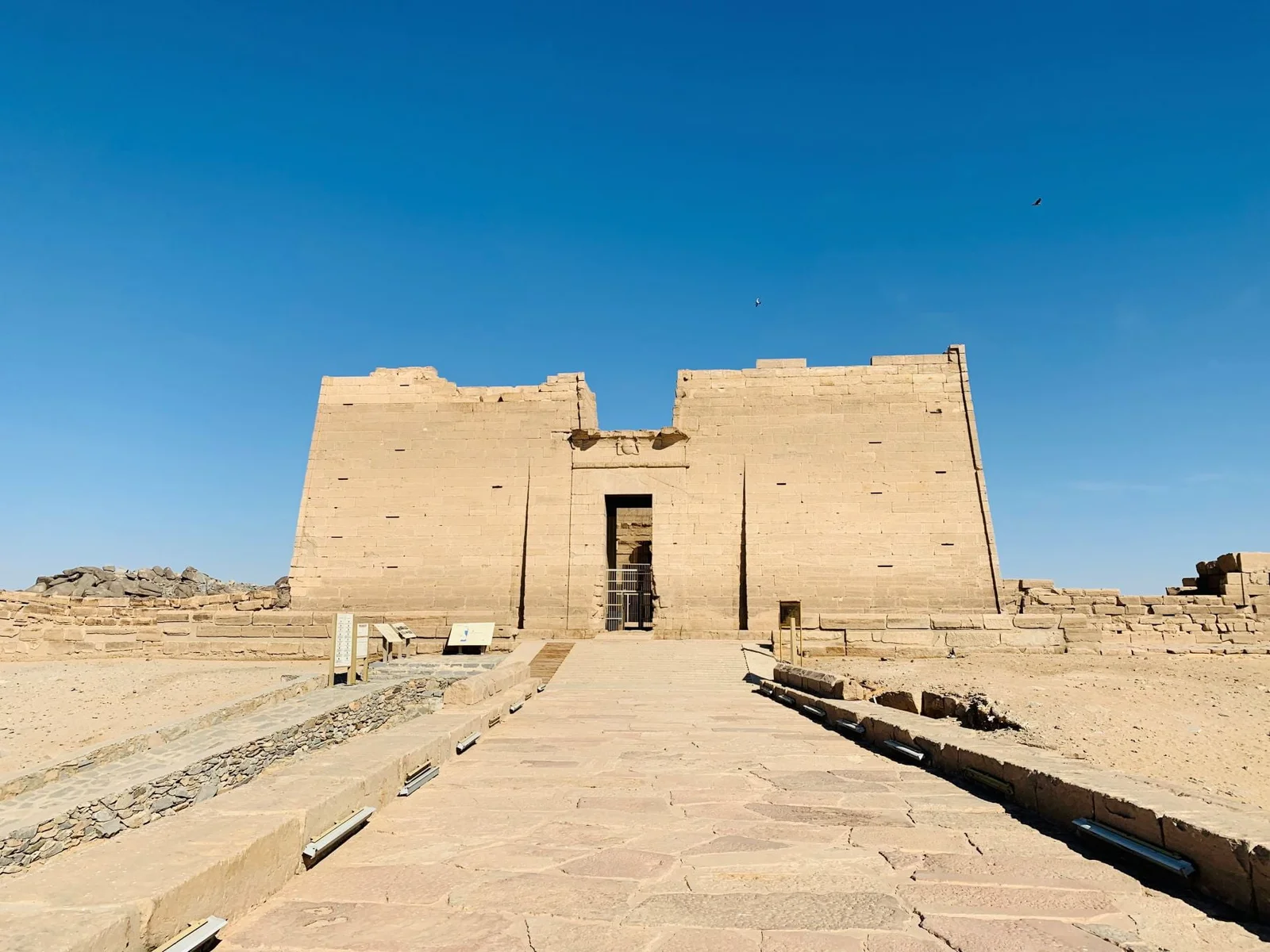
Kalabsha, Beit el-Wali and Kertassi
The Roman-era Temple of Kalabsha, dedicated to the Nubian god Mandulis, was moved to its island by a West German team in the early 1960s. Beit el-Wali is a small temple of Ramesses II with scenes of his Nubian campaigns, and the Kertassi Kiosk is a graceful Roman pavilion with Hathor columns.
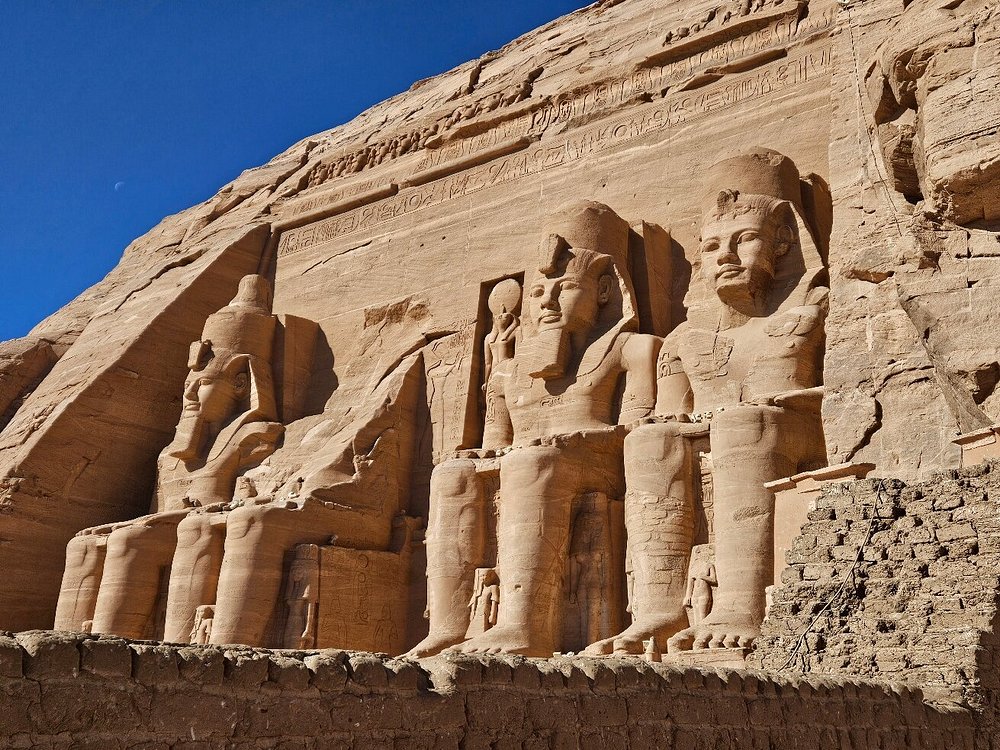
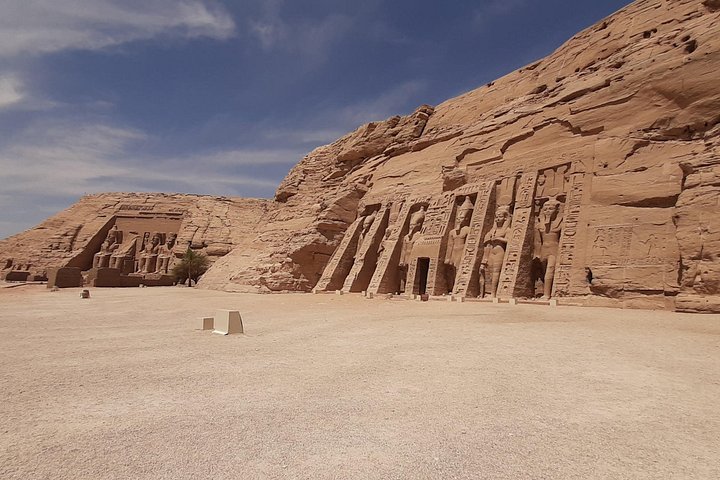
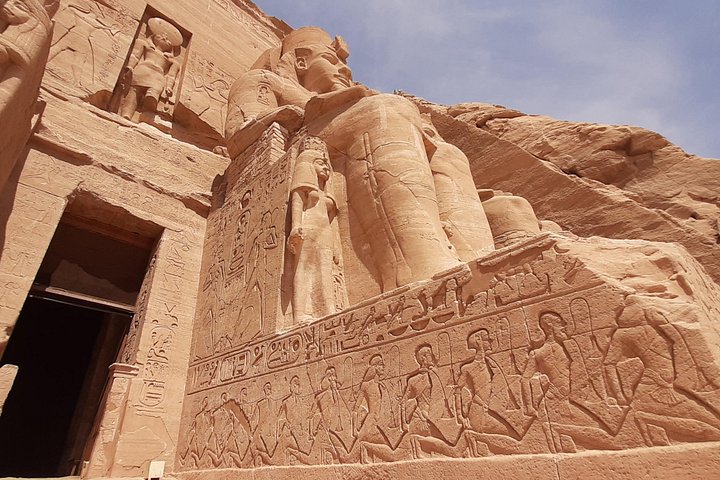
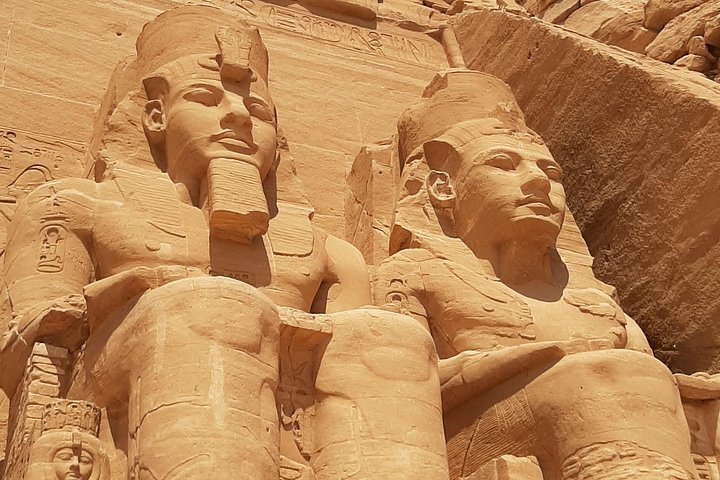
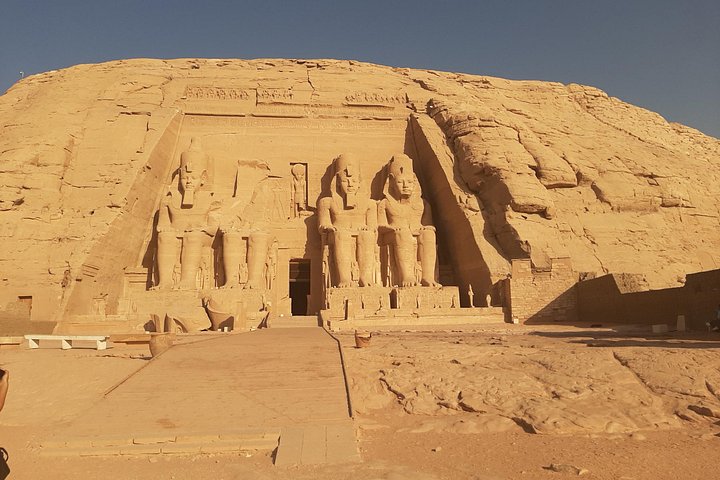
Great Temple of Abu Simbel
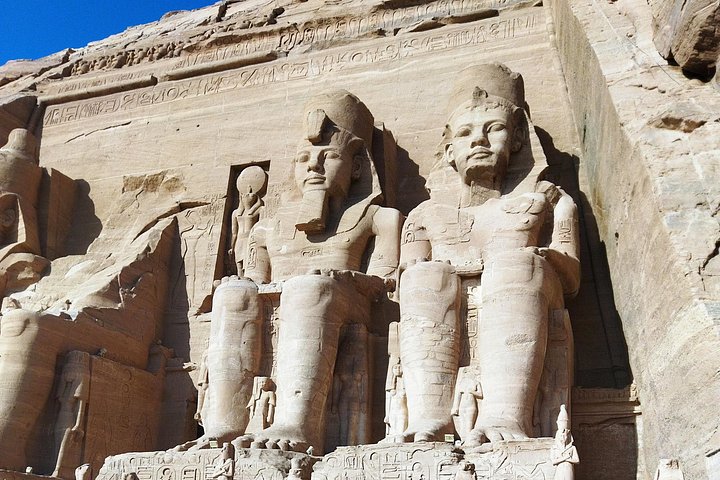
Cut into the cliff around 1264 BCE for Ramesses II, the temple is guarded by four seated colossi about 20 metres high. Sunlight reaches the inner sanctuary twice a year, around 22 February and 22 October. The temple was rediscovered by Johann Burckhardt in 1813 and opened by Giovanni Belzoni in 1817.
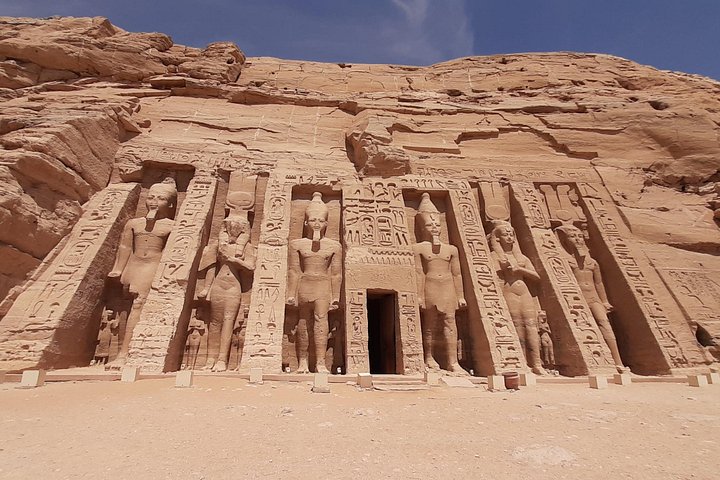
Temple of Nefertari
The smaller temple beside it honours Ramesses II's chief queen Nefertari and the goddess Hathor, with statues of the king and queen at almost equal height. Both temples were cut into blocks and raised about 65 metres between 1964 and 1968.
Nubia: History and Culture
Nubia is the Nile Valley south of Aswan, into present-day Sudan. Its early kingdoms, such as Kerma and Kush, traded and sometimes fought with Egypt. In the 8th century BCE, Kushite kings conquered Egypt and ruled as the 25th Dynasty. Later, Nubia became Christian and then Muslim, keeping its own languages and customs.
In the 20th century, the Aswan dams flooded much of Nubia, and in the 1960s thousands of Nubian families were moved to new villages near Kom Ombo. Today, Nubian culture lives on in the villages of Aswan, in music, cooking, language and brightly painted houses.
Visiting Nubian Villages: Etiquette
Activities on This Holiday
Accommodation and Meals
You stay three nights in Aswan, one night in Abu Simbel and one final night in Aswan. Hotel category is confirmed in your written proposal according to your budget and dates. Abu Simbel has a small number of hotels, so comfort is simple but the setting is memorable. Breakfast is included at hotels, and other meals follow your quotation.
Transport and Driving Times
All transfers and sightseeing drives use a private air-conditioned vehicle, and local boats handle river crossings. Approximate times are:
| Aswan High Dam to Abu Simbel | Around 3 hours |
| Abu Simbel to Aswan | Around 3 hours |
| Aswan boat crossings | 10 to 15 minutes each |
Times are approximate and depend on checkpoints, road conditions and boat schedules.
What Is Included and Not Included
Final inclusions are always confirmed in writing before payment.
Prices
The price depends on your dates, hotel category, number of travellers and vehicle type. Send us your plan and we will reply with a clear written quotation.
| Book on WhatsApp |
| [email protected] |
Booking and Cancellation
Share your dates, number of adults and children and preferred comfort level. We send a personalised itinerary, you approve the details, and you pay by Cash, PayPal, Binance, Visa or Mastercard. Cancellation and amendment terms depend on the hotels selected and are stated in your written quotation. Call or message us on +20 100 925 5585.
Best Time to Go and What to Pack
The best time for an Aswan and Abu Simbel tour is October to April, when days are warm and walking is comfortable. Summer is very hot in Aswan, so early starts matter. Pack light cotton clothing with covered shoulders and knees, sturdy walking shoes, a sun hat, sunscreen, a light jacket for evenings and your passport.
Frequently Asked Questions
What is a Nubian village visit like?
Is the visit to Abu Simbel included?
Why stay overnight at Abu Simbel?
Is this tour suitable for families?
Can I combine this with a Nile cruise or Lake Nasser cruise?
Related Tours and Guides
Browse all Egypt holiday packages, or read about Aswan and Abu Simbel.
Six days in Aswan, Nubian villages and Abu Simbel with a private Egyptologist. Share your dates and we will prepare your personal proposal.
| Book on WhatsApp |
| Call +20 100 925 5585 |
| Email [email protected] |
Available daily for trip planning and booking support · Pay by Cash, PayPal, Binance, Visa or Mastercard