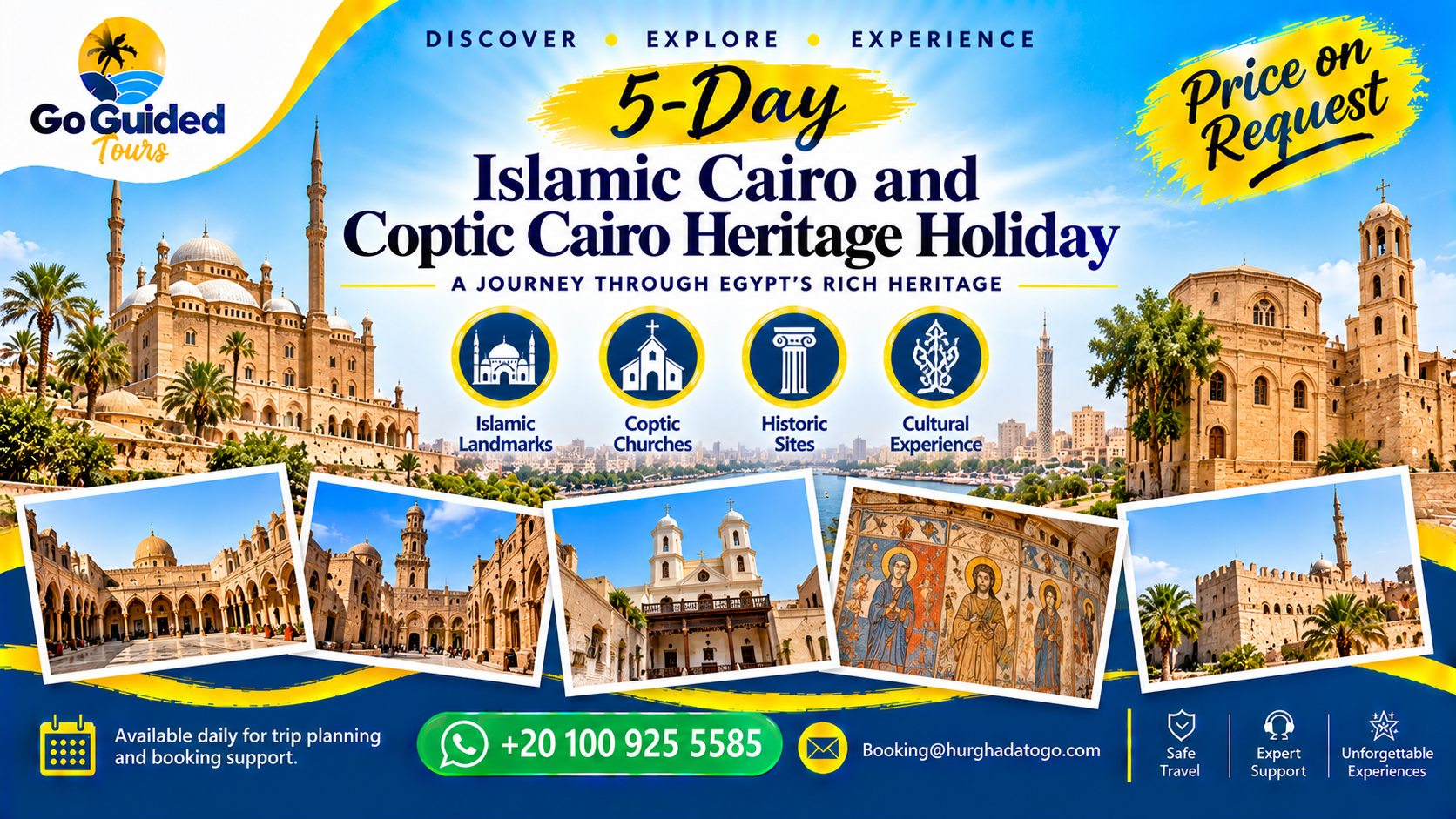
The 5-day Islamic Cairo and Coptic Cairo heritage holiday explores the layers of the city that grew after the pharaohs, from the Roman fortress and early churches of Old Cairo to the Fatimid and Mamluk mosques of Islamic Cairo and the great Citadel of Saladin. The route runs Cairo → Old Cairo → Islamic Cairo → Citadel → Historic Cairo, all within one city and with a private guide.
This private Cairo heritage tour is made for travellers who want to understand Cairo as a living medieval city. Mosques, churches, a synagogue, markets and palaces are visited at a relaxed pace, and the plan can be adjusted to your dates and interests before booking.
Tour Overview
Cairo is often called the city of a thousand minarets. This Islamic and Coptic Cairo tour concentrates on the historic districts that sit between the Nile and the Muqattam hills, each telling a different part of the city's story: a Roman fortress turned Christian quarter, the first mosque in Africa, a Fatimid walled city, Mamluk madrasas and a hilltop fortress.
| Duration | 5 days / 4 nights |
| Start and end | Arrival and departure in Cairo |
| Route | Cairo → Old Cairo → Islamic Cairo → Citadel → Historic Cairo |
| Tour type | Private guide and vehicle, tailor-made planning |
| Main sites | Hanging Church, Amr ibn al-As Mosque, Al-Azhar, Al-Muizz Street, Khan el-Khalili, Citadel |
| Accommodation | 4 nights in Cairo |
| Price | Price on Request, confirmed in a written quotation |
Tour Highlights
Day-by-Day Itinerary: 5-Day Islamic Cairo and Coptic Cairo Heritage Holiday
This is the recommended plan. Prayer times, Friday closures and local events can affect timings, so your guide confirms each day's schedule and adjusts the order of visits if needed.
Day 1: Arrival in Cairo
Your representative meets you at Cairo International Airport and drives you to your hotel. After resting, you meet your guide for a briefing on the history and customs of the places you will visit.
- Private airport meet and assist
- Hotel check-in and trip briefing
- Evening at leisure
Day 2: Old Cairo and Coptic Cairo
Explore Old Cairo, built around the Roman fortress of Babylon, and the site of the first Arab capital, Fustat. Visit the churches, the synagogue and the Amr ibn al-As Mosque.
- Coptic Museum
- Hanging Church and Church of Saint Sergius and Bacchus (Abu Serga)
- Church of Saint Barbara and the Ben Ezra Synagogue
- Amr ibn al-As Mosque in Fustat
Day 3: Fatimid Cairo and Khan el-Khalili
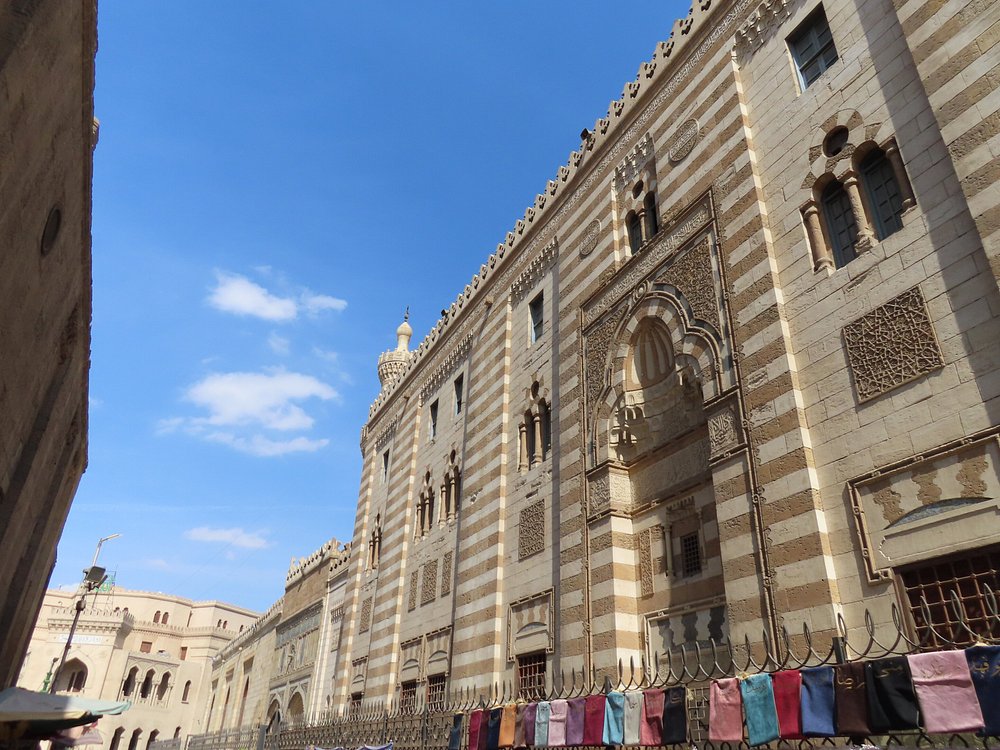
Walk into Islamic Cairo to see Al-Azhar Mosque, the Fatimid gates and the monuments along Al-Muizz Street, then wander through the Khan el-Khalili bazaar.
- Al-Azhar Mosque
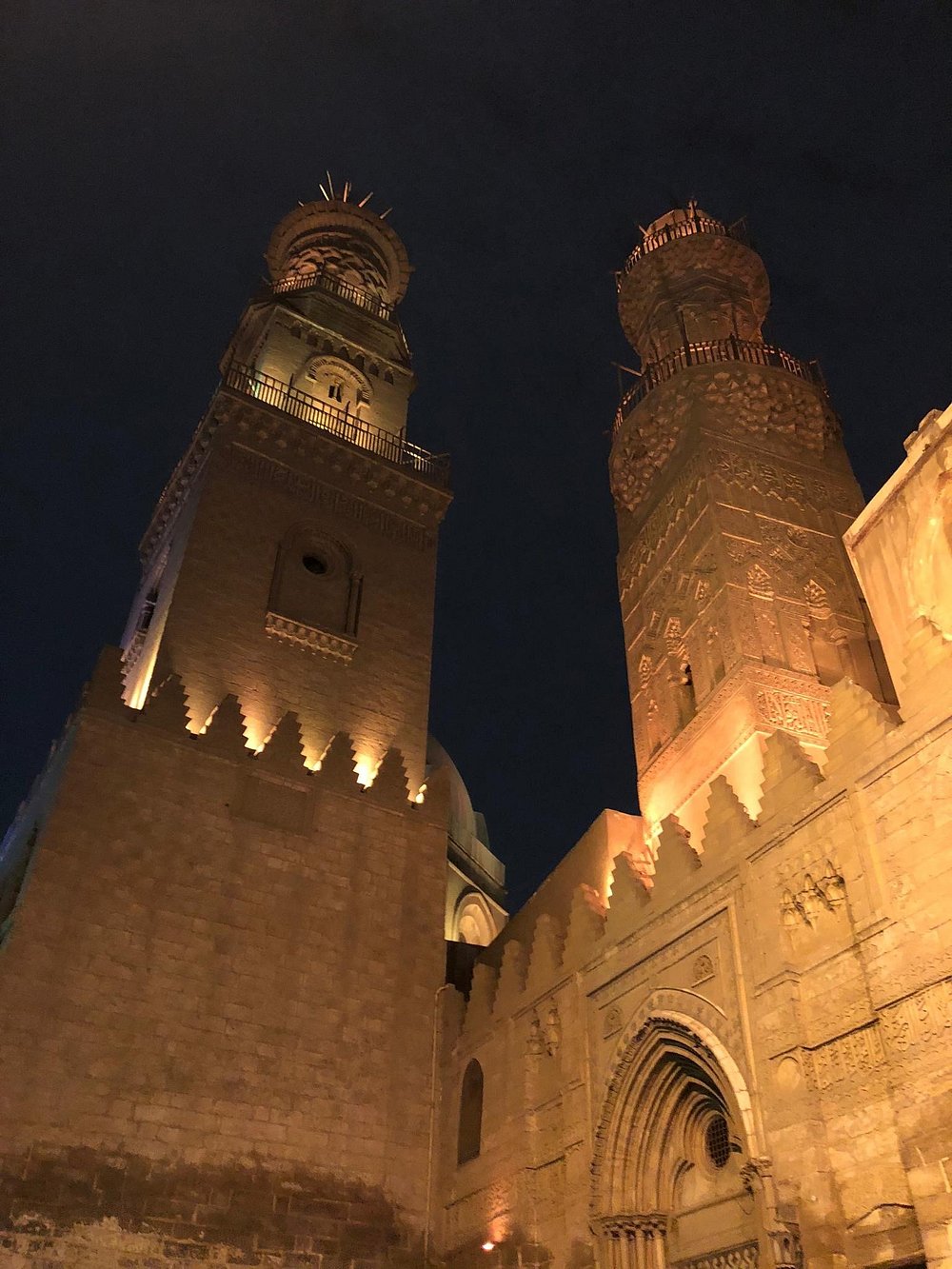
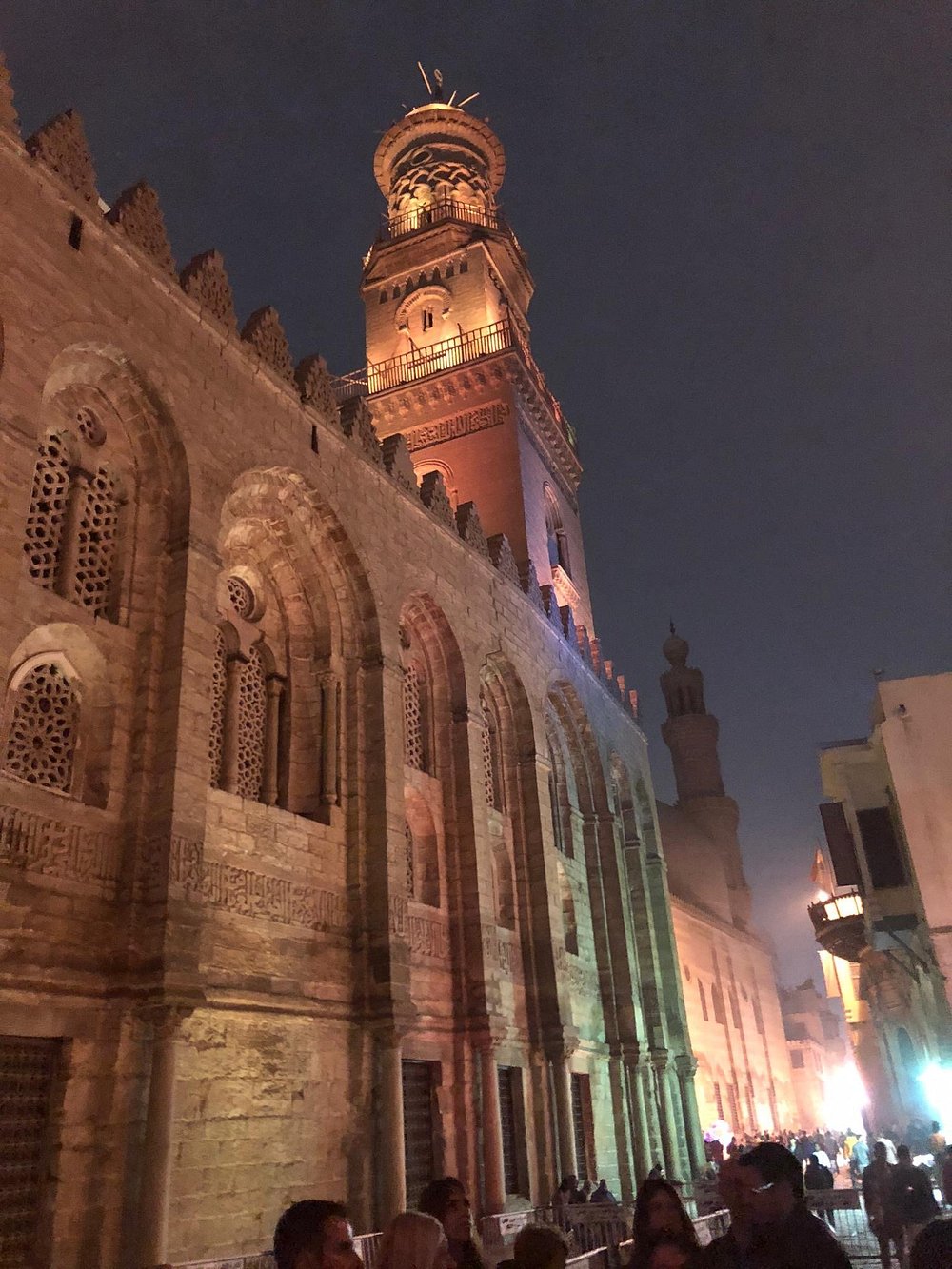
- Al-Muizz Street and the Qalawun complex
- Bab Zuweila and the Fatimid gates
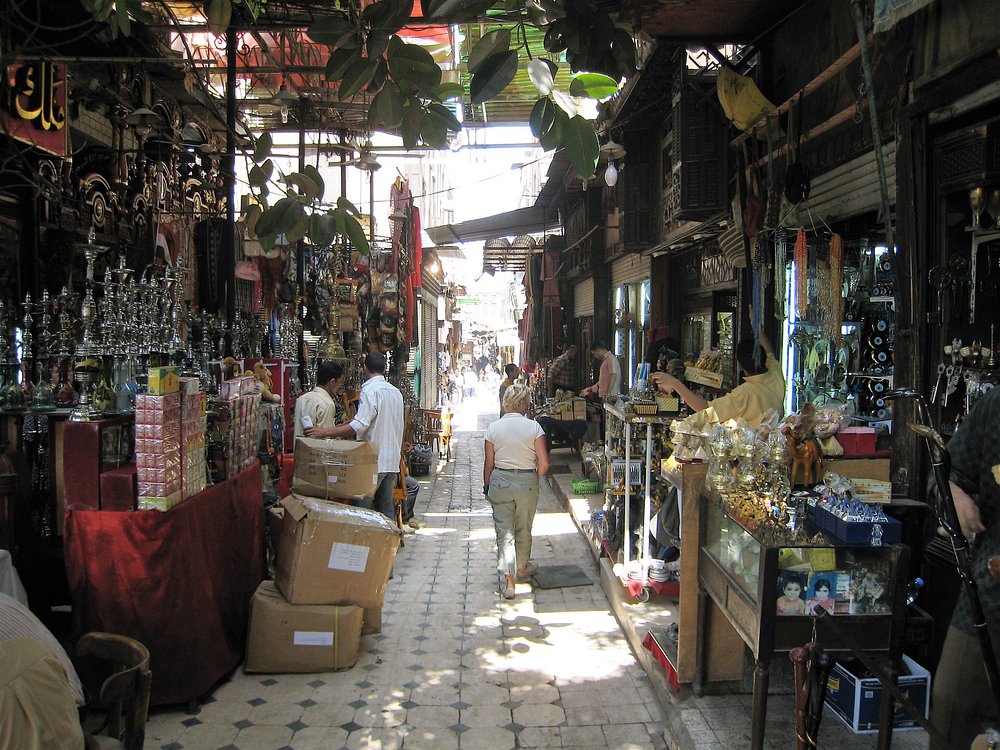
- Khan el-Khalili bazaar and a coffee stop
- Optional evening Sufi tanoura performance
Day 4: Citadel of Saladin and Mamluk Cairo
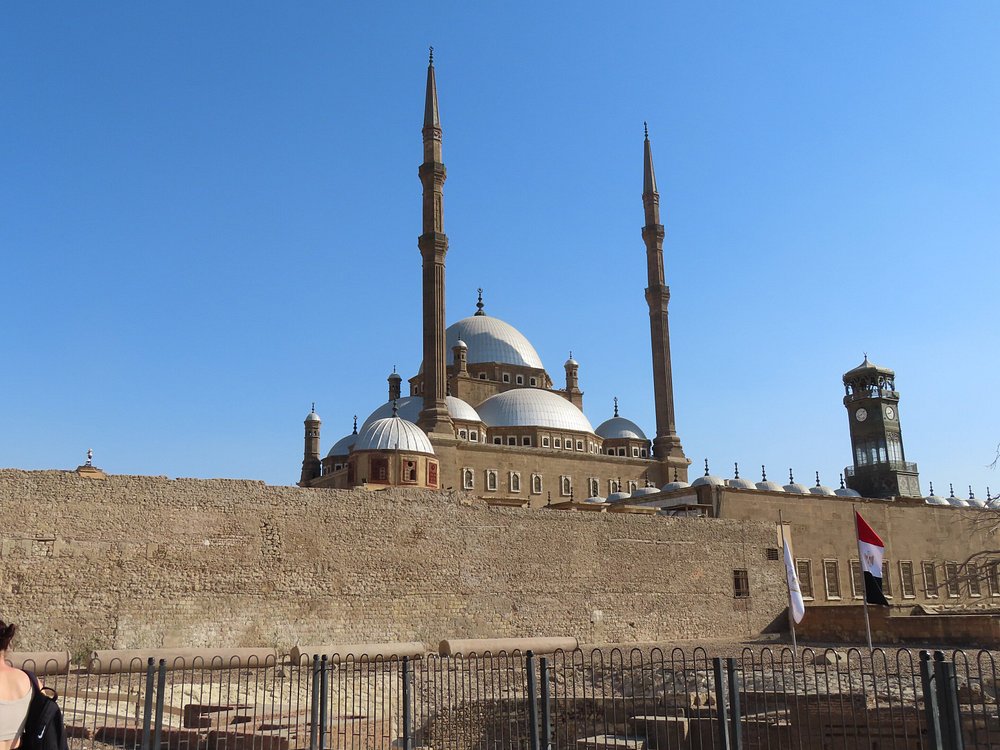
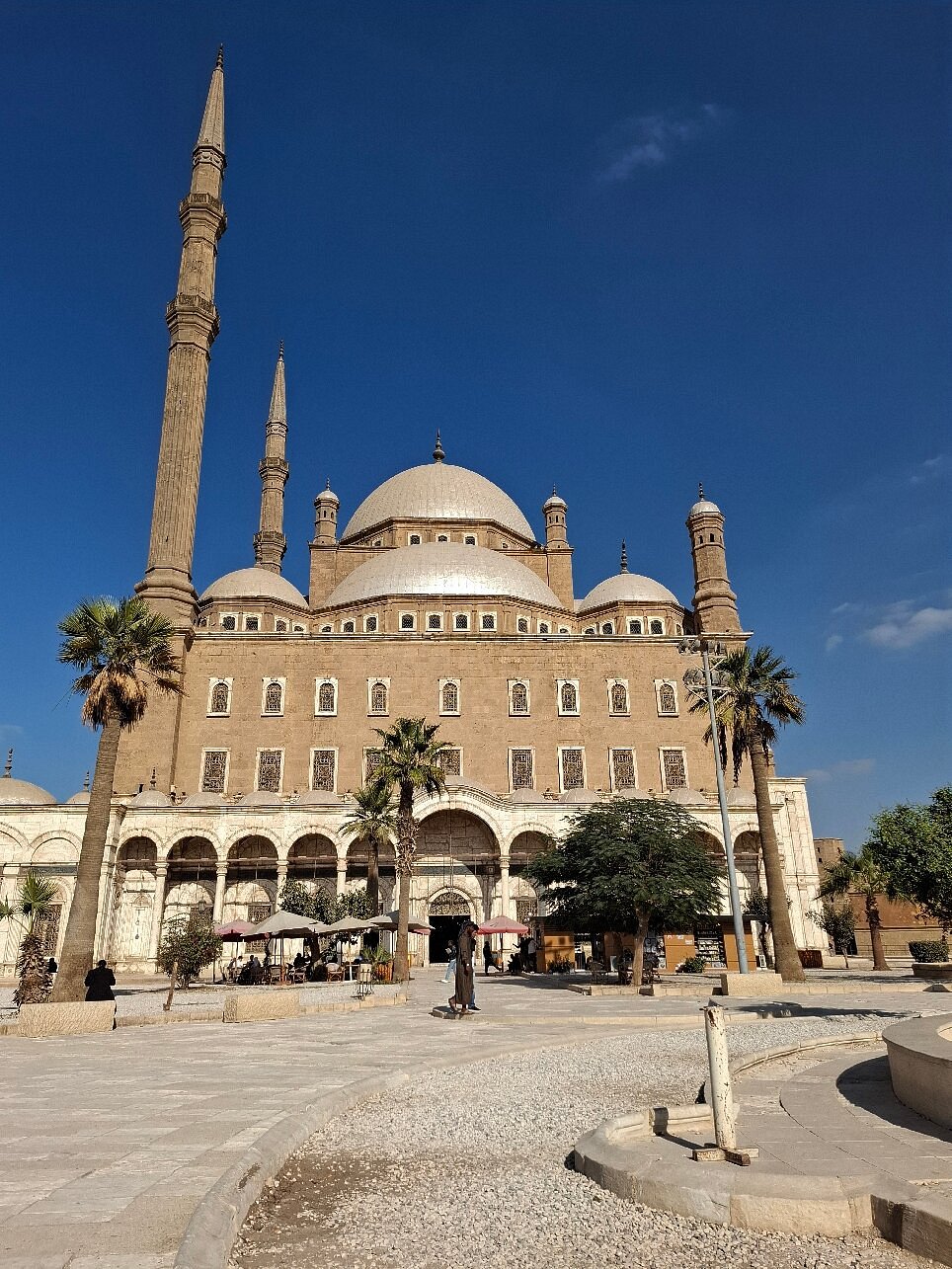
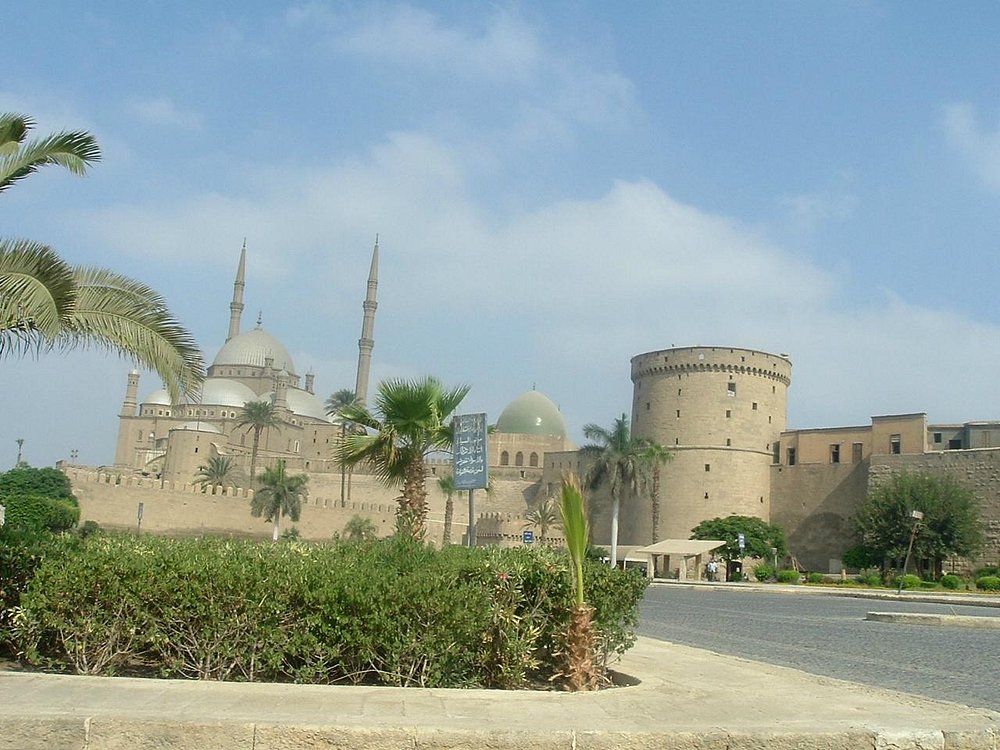
Climb to the Citadel of Saladin and the Muhammad Ali Mosque, then visit the great mosques below, the Sultan Hassan Mosque and Ibn Tulun Mosque.
- Citadel and the Muhammad Ali Mosque
- Sultan Hassan and Al-Rifai Mosques
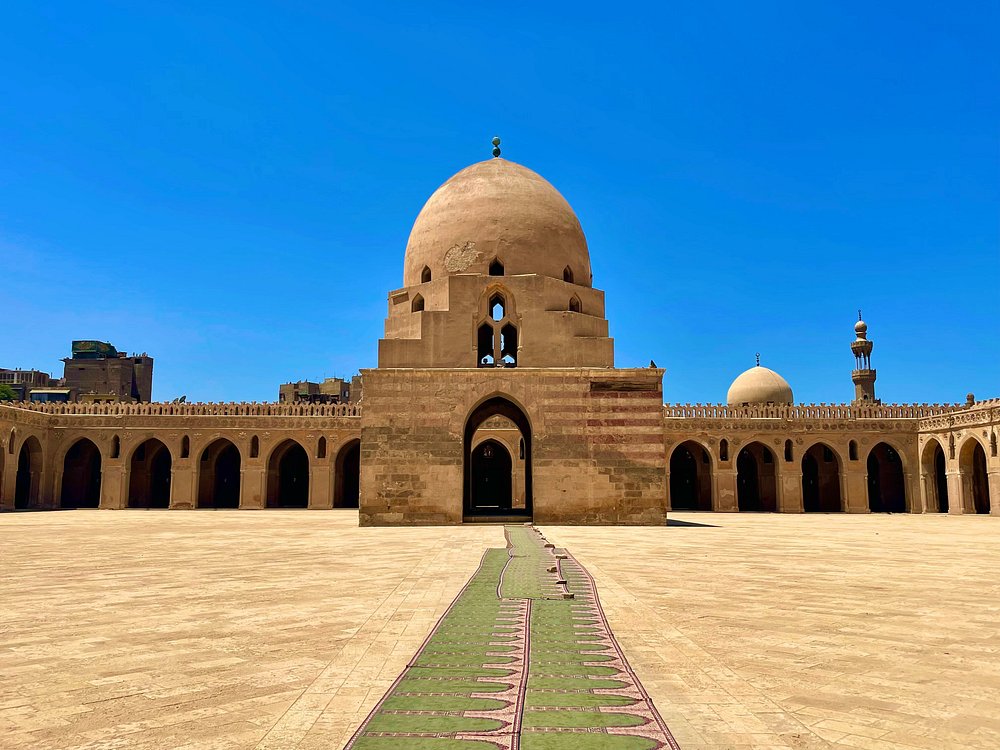
- Ibn Tulun Mosque and its spiral minaret
- Gayer-Anderson Museum
Day 5: Historic Cairo and Departure
On your final morning, visit the Northern Cemetery with its Mamluk mausoleums and enjoy views over the old city from Al-Azhar Park, then transfer to the airport.
- Mausoleum of Sultan Qaytbay in the Northern Cemetery
- Al-Azhar Park viewpoint
- Private transfer to Cairo airport
- Optional extension to Giza, Saqqara or a Nile cruise
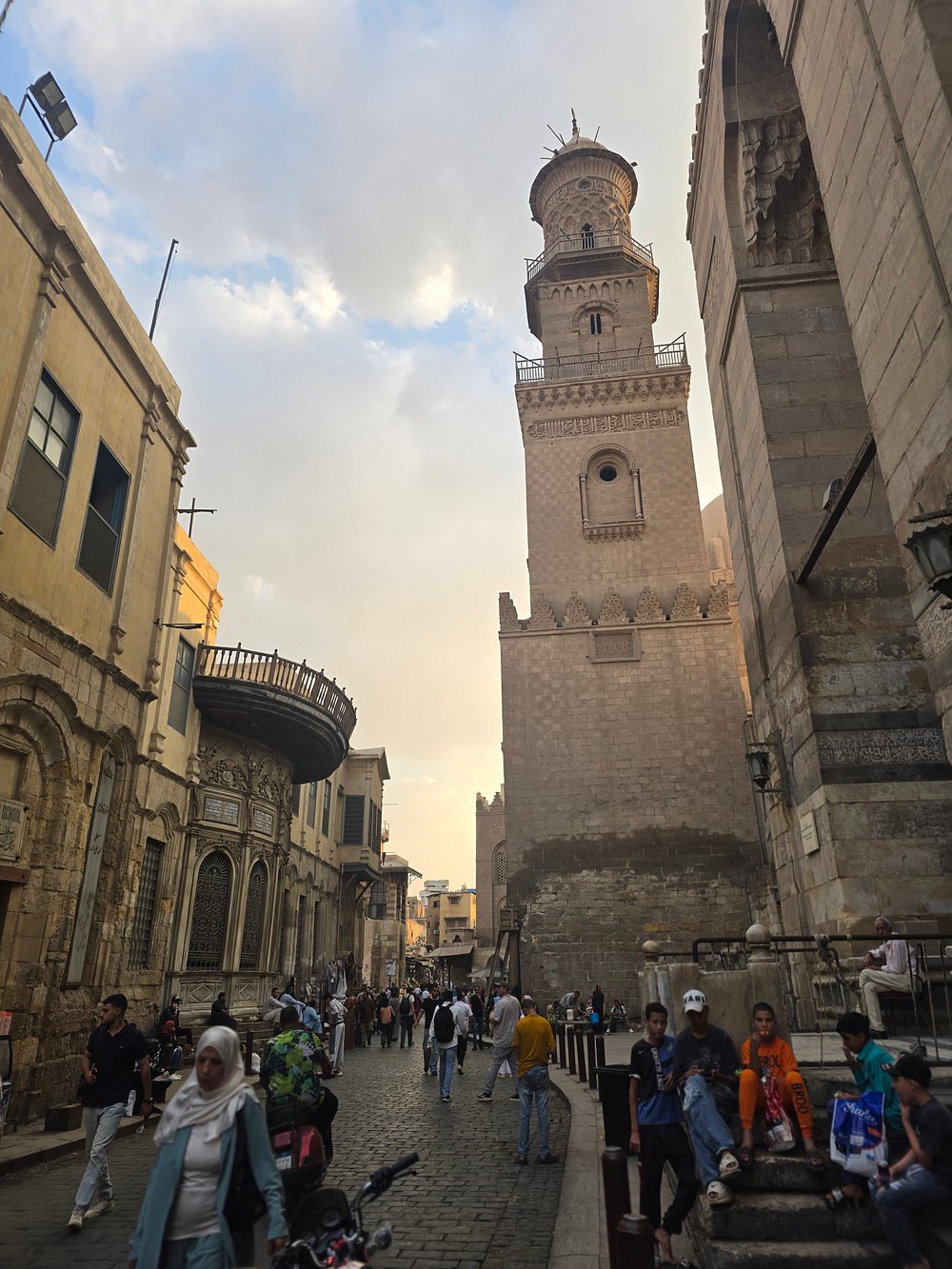
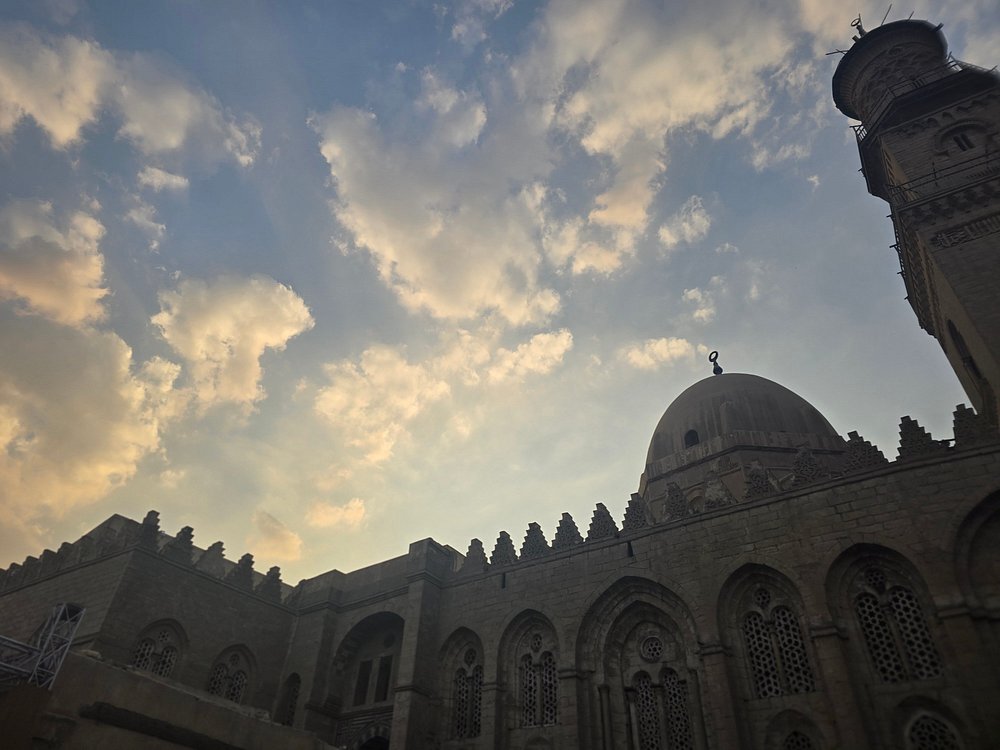
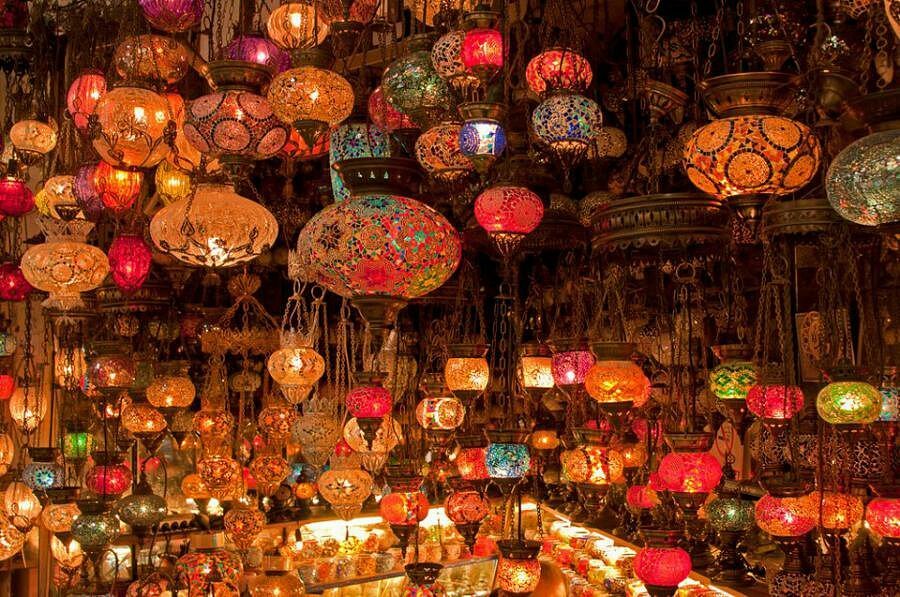
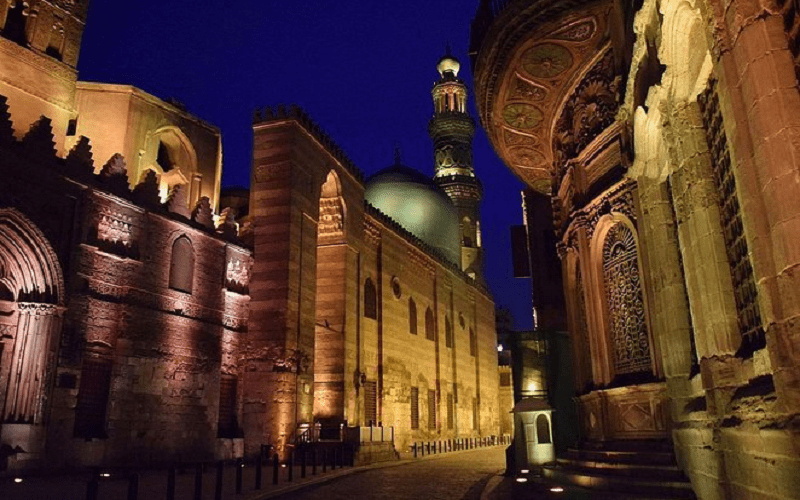
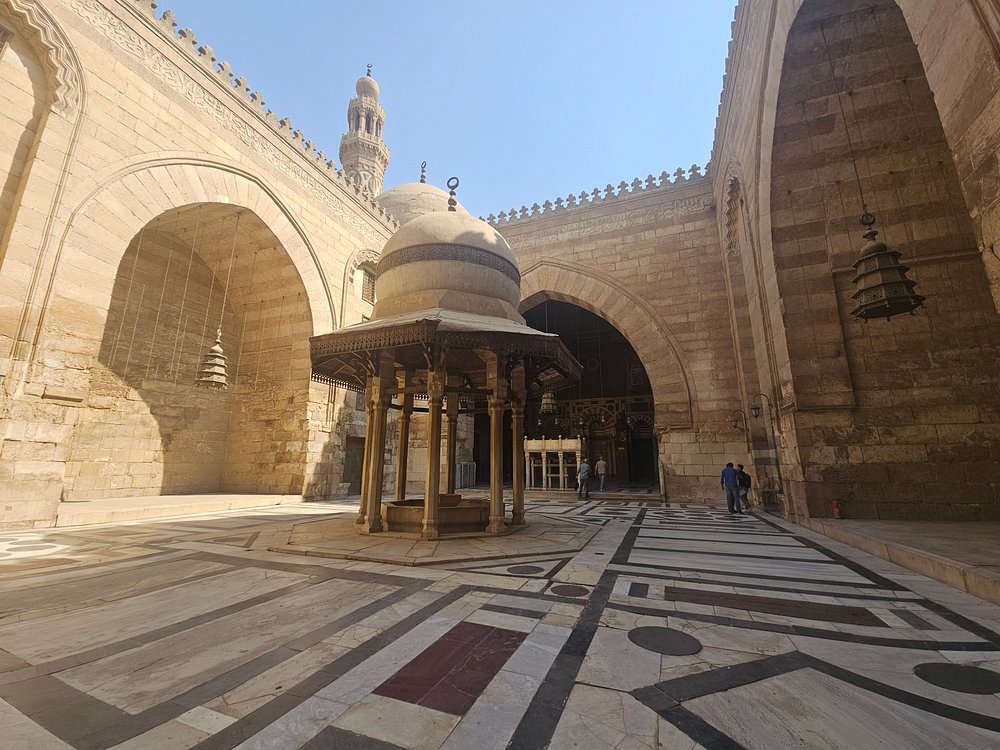
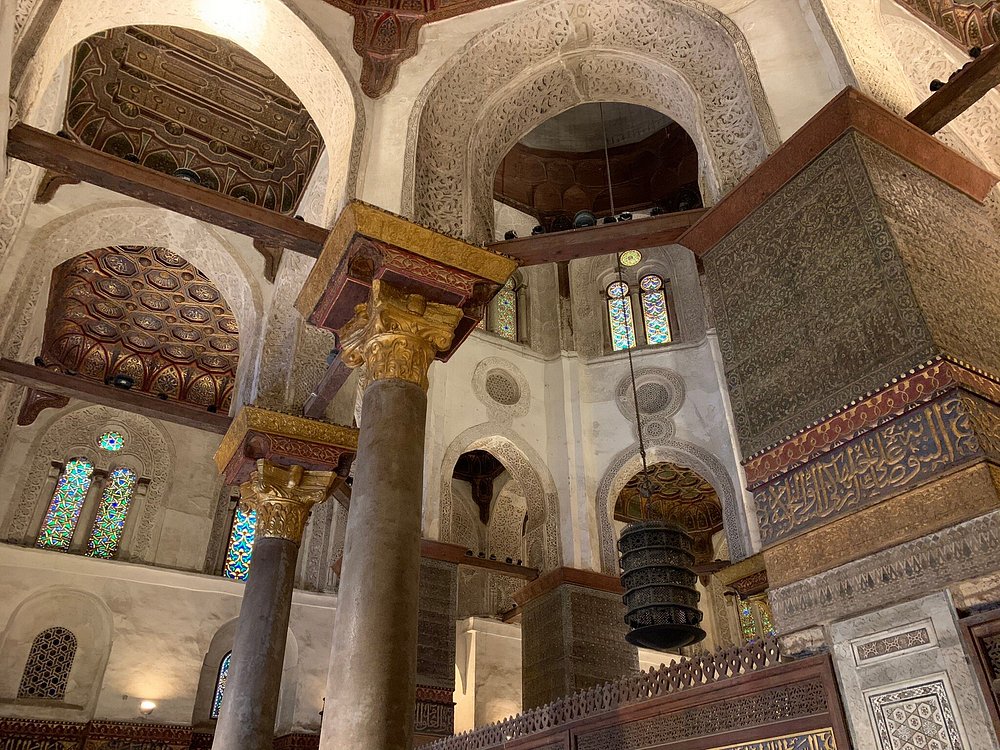
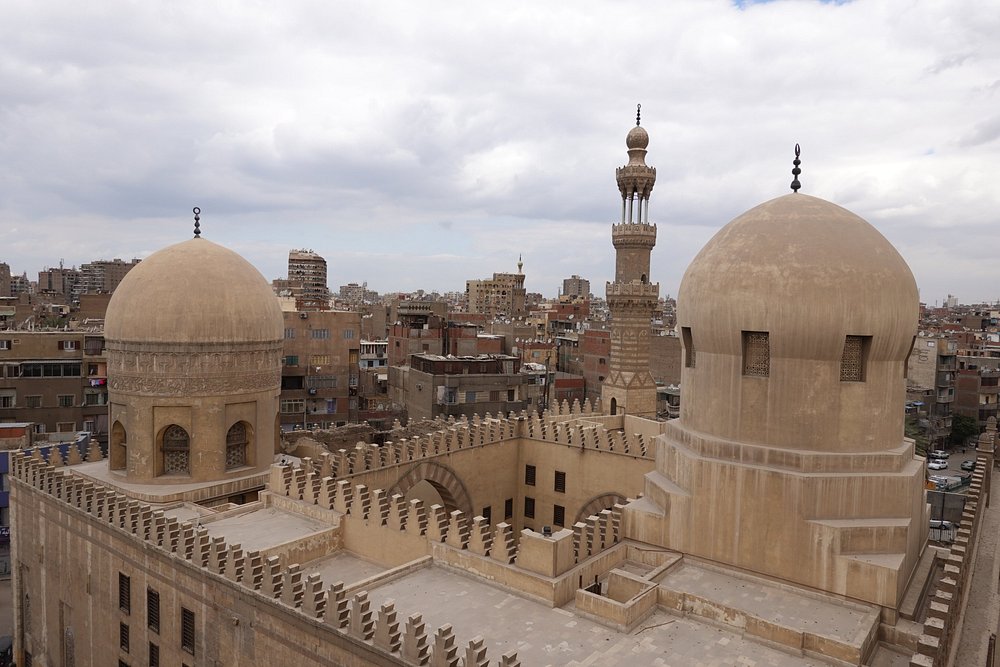
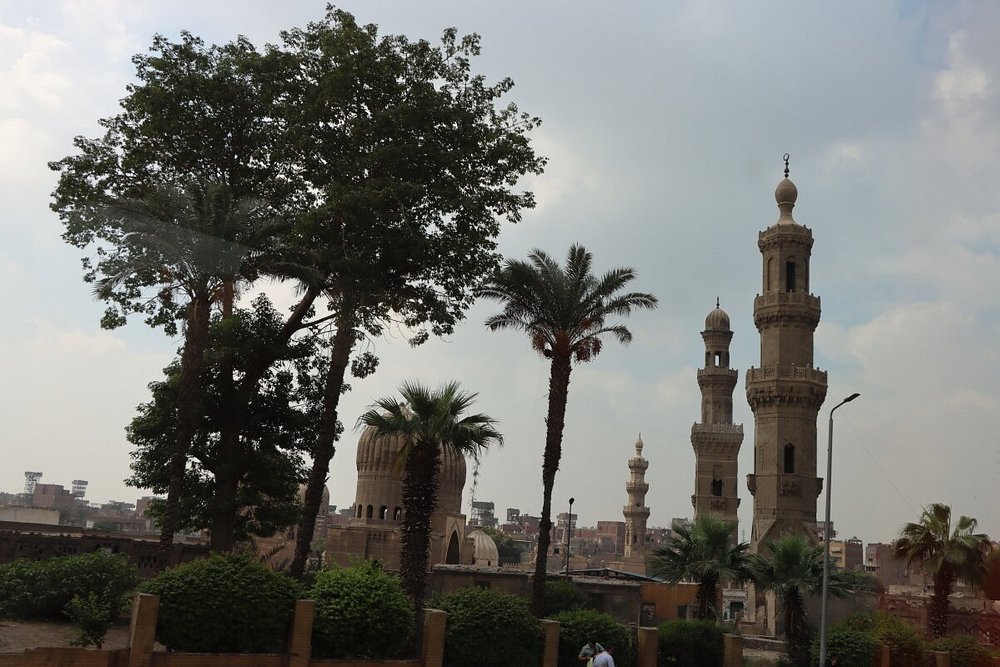
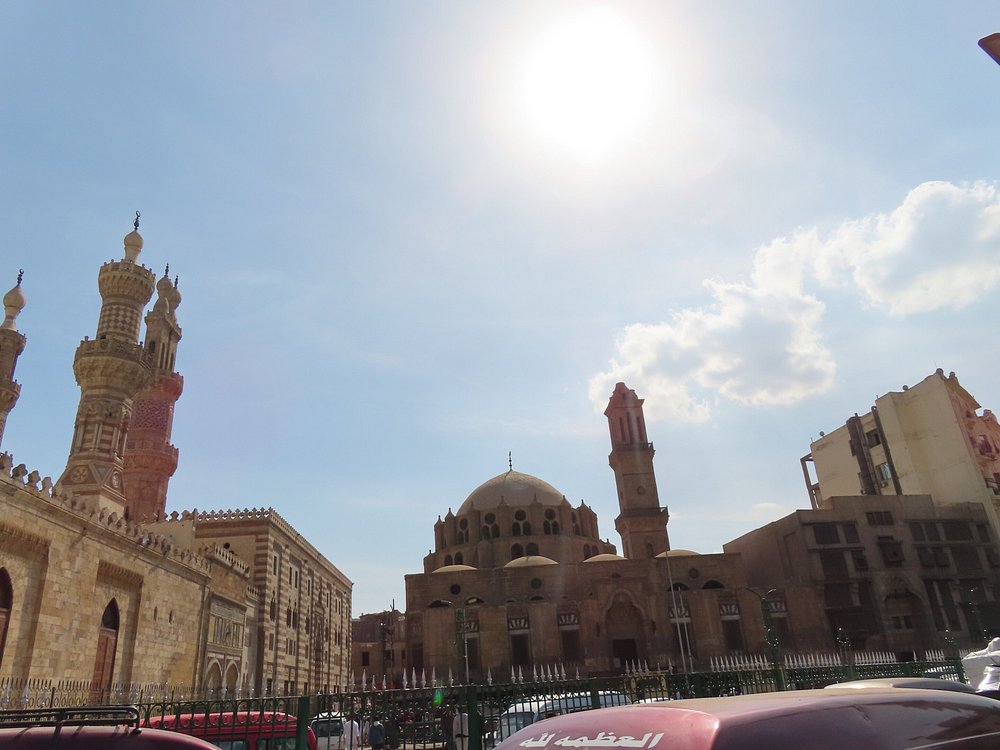
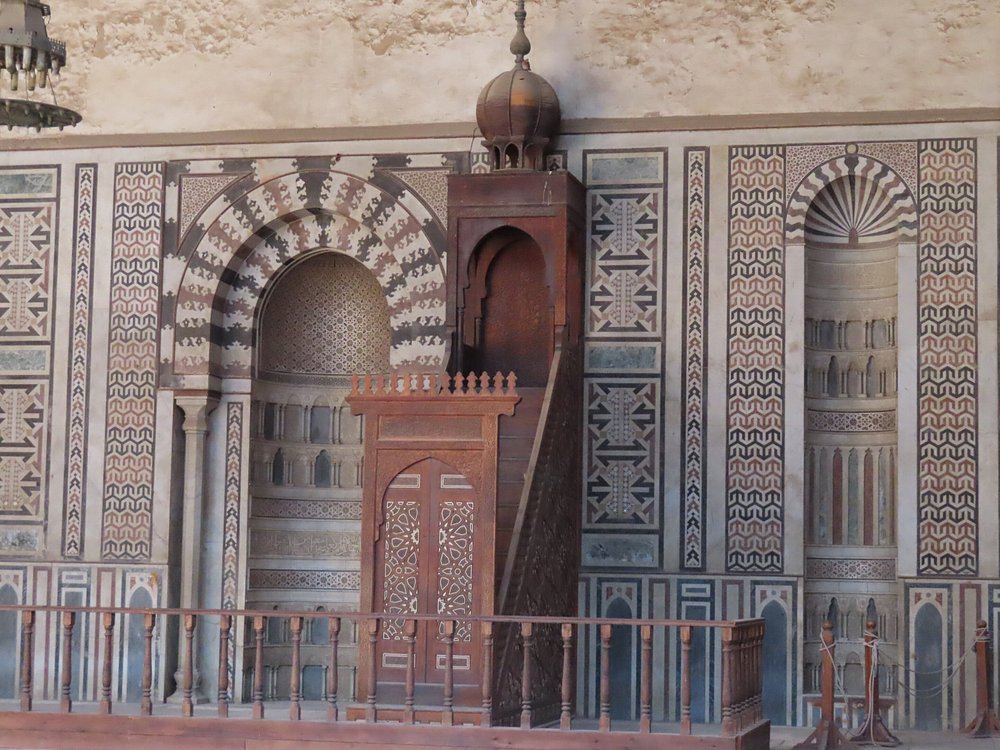
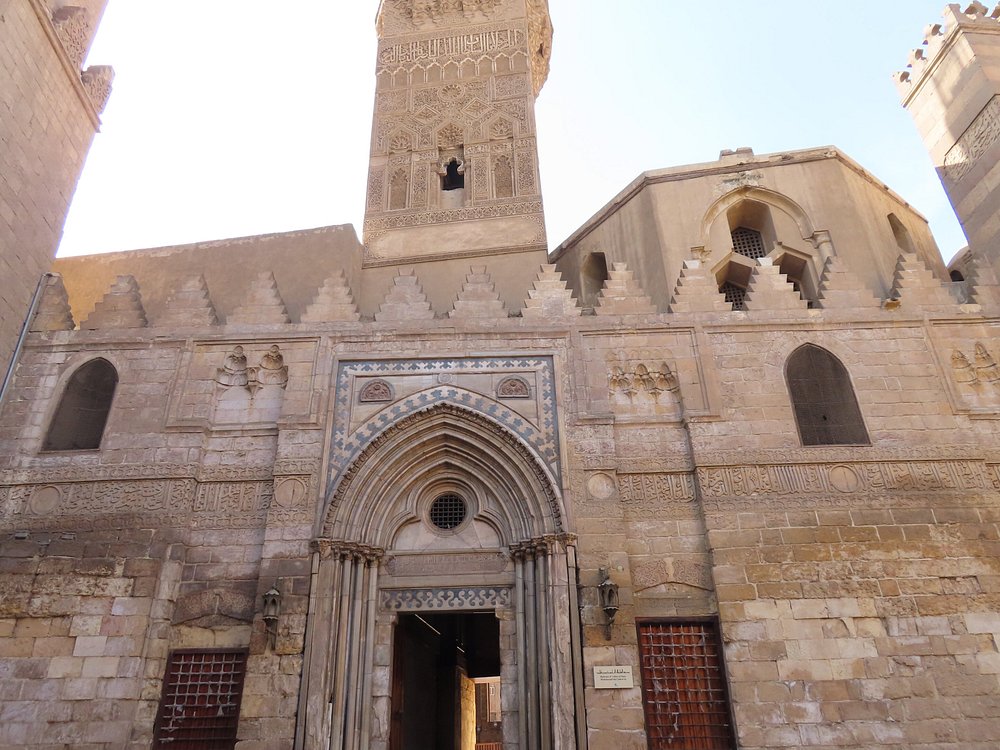
Places You Will Visit and Their History
Cairo's historic districts span more than 1,300 years. Here is the background to each stop on this Old Cairo and Islamic Cairo tour.
Coptic Cairo
Coptic Cairo sits inside the walls of the Roman fortress of Babylon, one of the oldest parts of the city. Its narrow lanes connect churches, a synagogue and a museum, and the area has been a centre of Egyptian Christian life for centuries. Tradition links the crypt of Abu Serga with the Holy Family.
Hanging Church and Abu Serga
The Hanging Church, dedicated to the Virgin Mary, is built over a gate of the Roman fortress and reached by stairs, giving it its name. Its ceiling resembles an upturned boat and its walls hold fine icons. Abu Serga, the Church of Saint Sergius and Bacchus, stands over a crypt visited by pilgrims.
Ben Ezra Synagogue and Coptic Museum
The Ben Ezra Synagogue was originally a church and later served the Jewish community. In the 19th century, a store of medieval documents called the Cairo Geniza was found here, giving scholars an extraordinary record of Jewish life in the Mediterranean. The Coptic Museum, founded in 1910, holds icons, textiles and manuscripts.
Amr ibn al-As Mosque and Fustat
Fustat was the first Arab capital of Egypt, founded in 641 CE by the general Amr ibn al-As. The mosque that bears his name, first built in 642 CE, is the first mosque in Africa, though it has been rebuilt many times.
Ibn Tulun Mosque
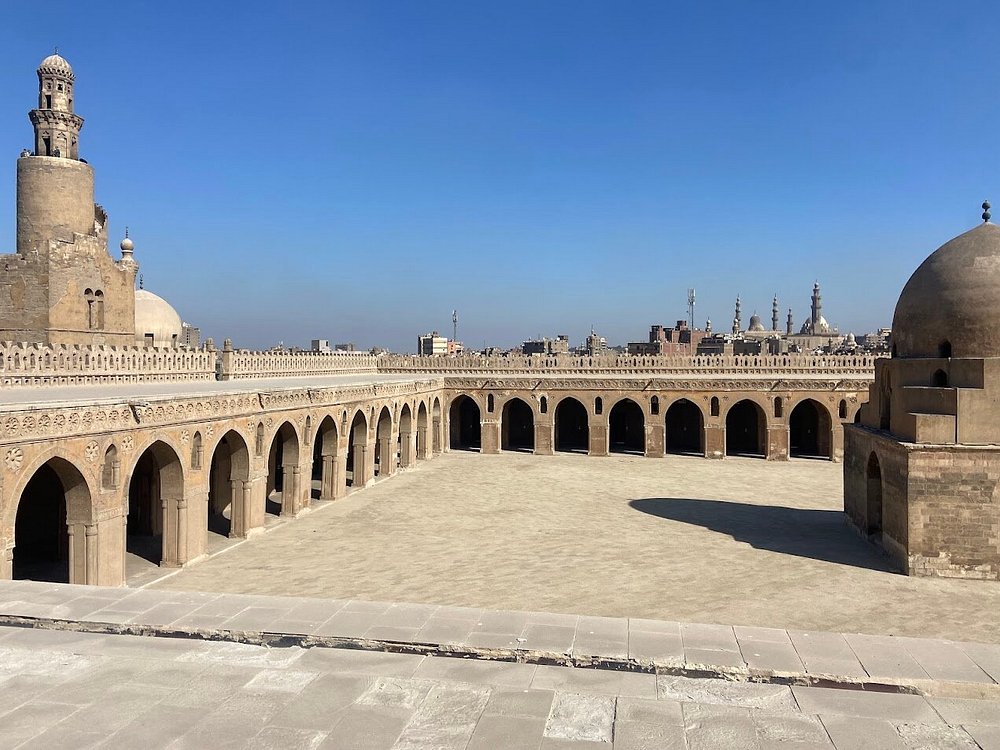
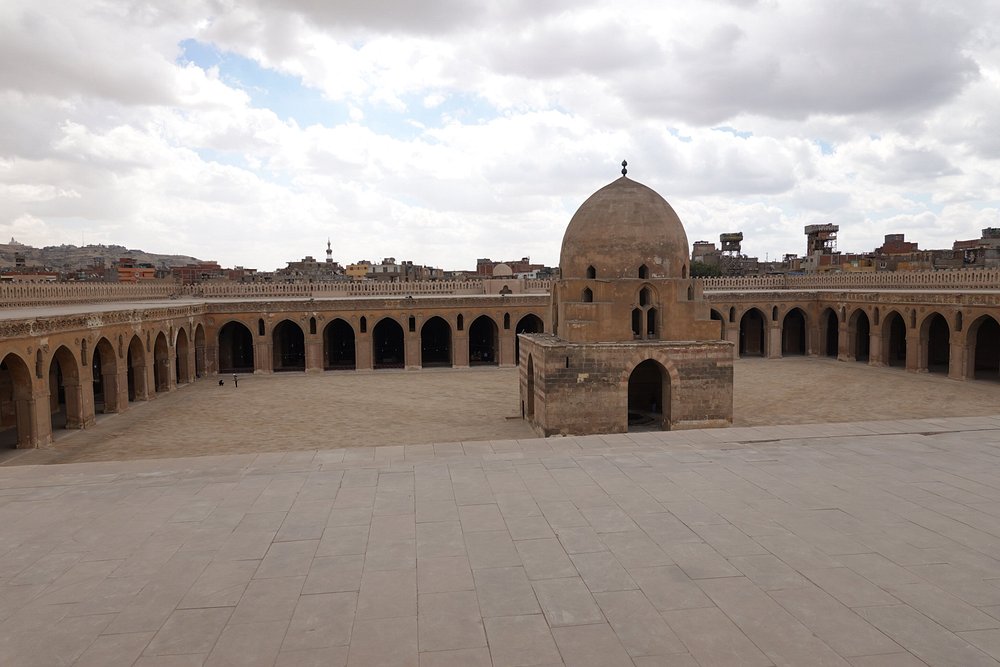
Built between 876 and 879 CE by Ahmad ibn Tulun, this vast mosque is one of the oldest in Cairo in its original form. Its huge courtyard and spiral minaret, inspired by Iraqi models, make it a highlight of Islamic architecture.
Al-Azhar Mosque
Founded in 970 to 972 CE by the Fatimids, Al-Azhar became a centre of teaching and is regarded as one of the oldest universities in the world. Its courtyard and minarets show several centuries of additions.
Al-Muizz Street
Al-Muizz Street is the main artery of the Fatimid city and the richest open-air collection of medieval architecture in Cairo. It passes the Qalawun complex, built in 1284 and 1285, which combined a mosque, madrasa, mausoleum and hospital, along with other Mamluk monuments.
Bab Zuweila and the Fatimid Gates
The Fatimid gates of Bab al-Futuh, Bab al-Nasr and Bab Zuweila were built in the late 11th century as part of the city walls. Bab Zuweila's two minarets, added later, can be climbed for views of the old city.
Khan el-Khalili
Khan el-Khalili was founded in 1382 as a market and caravanserai, and has been Cairo's main bazaar ever since. Its lanes sell lamps, spices, perfumes, silver and souvenirs, and its coffeehouses are a classic place for tea and conversation.
Citadel of Saladin
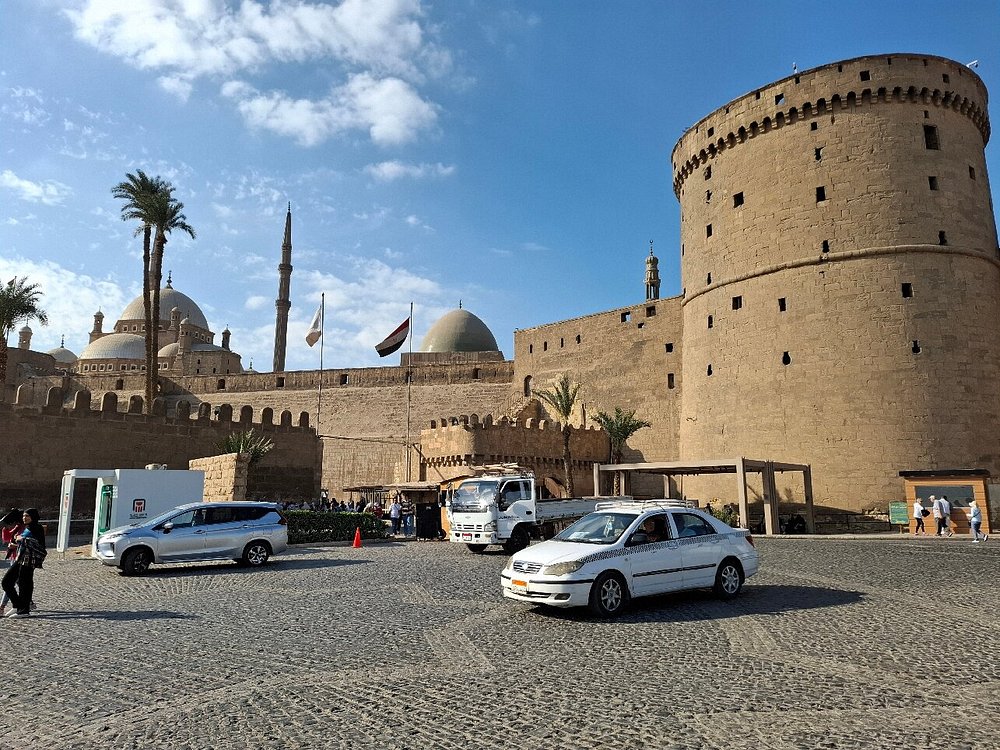
Begun in 1176 by Saladin to defend the city against the Crusaders, the Citadel was the seat of Egypt's rulers for about 700 years. It stands on a spur of the Muqattam hills with sweeping views of the city.
Muhammad Ali Mosque
Built between 1830 and 1848 by Muhammad Ali Pasha, this Ottoman-style mosque is covered in alabaster and dominates the Cairo skyline. Its clock tower was a gift from the French king Louis-Philippe in 1846.
Sultan Hassan and Al-Rifai Mosques
The Sultan Hassan Mosque and Madrasa, built from 1356 to 1363, is one of the largest and finest Mamluk monuments. Facing it, the Al-Rifai Mosque, completed in 1912, holds the tombs of members of Egypt's royal family and of the last Shah of Iran.
Gayer-Anderson Museum
This museum occupies two 16th and 17th-century houses beside the Ibn Tulun Mosque, joined and furnished by Major Gayer-Anderson in the 1930s. Its carved screens and rooms show the style of Ottoman Cairo.
Northern Cemetery and Al-Azhar Park
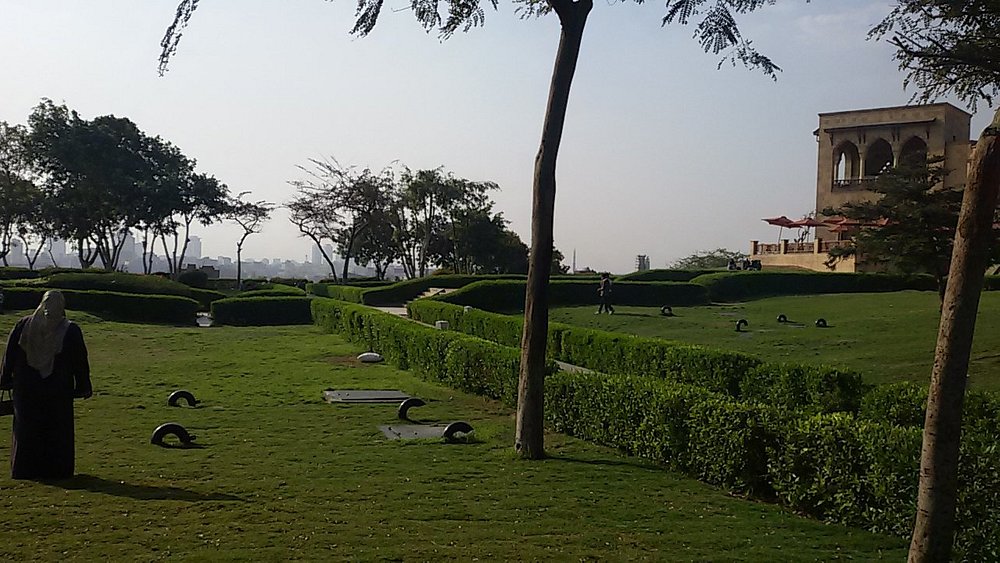
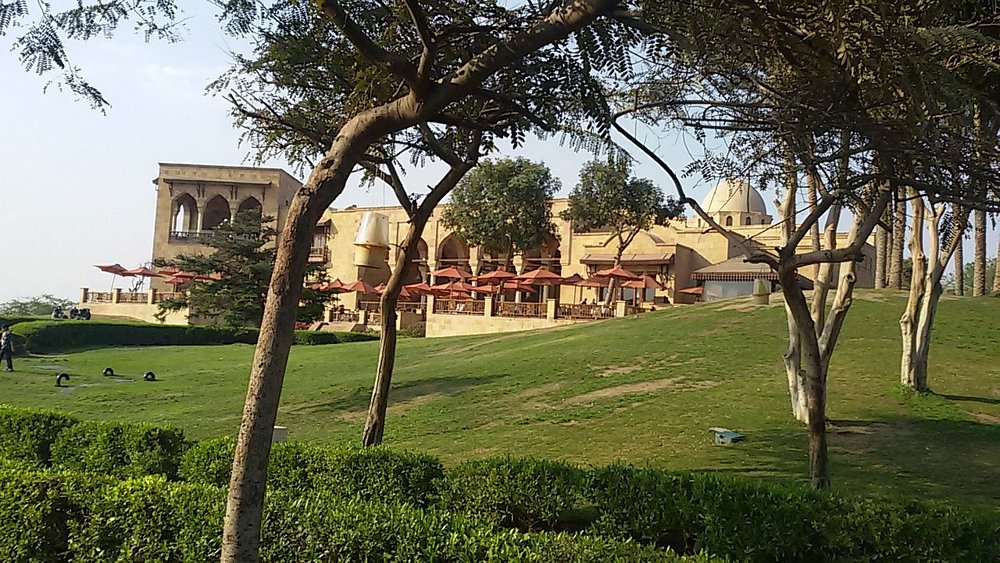
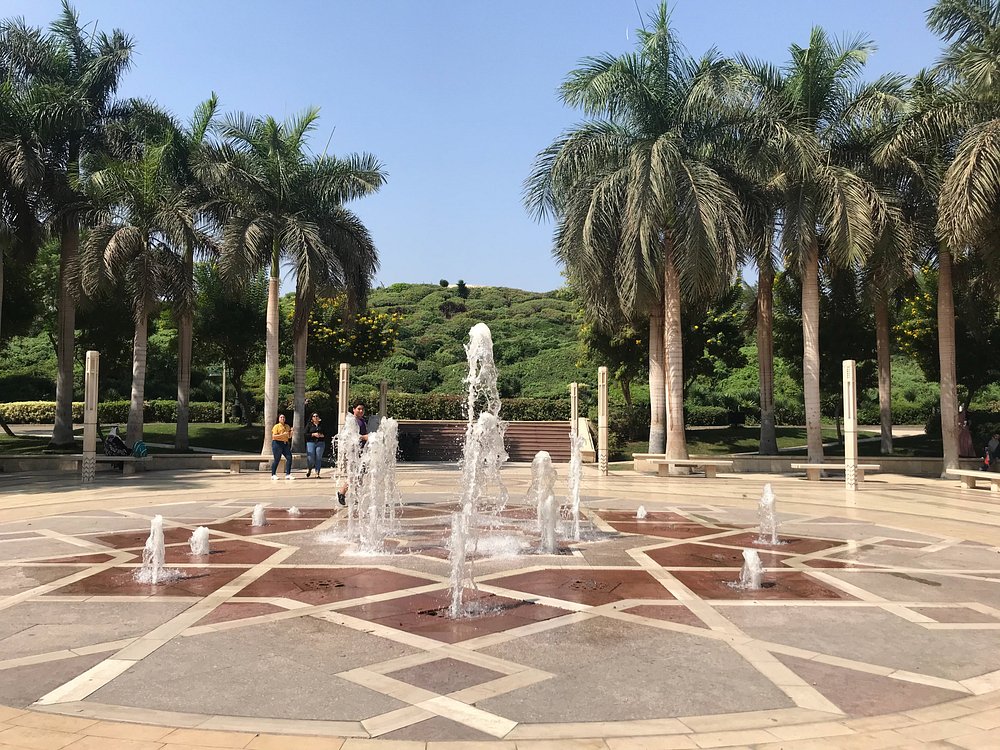
The Mamluk Northern Cemetery holds ornate mausoleums, including the 15th-century complex of Sultan Qaytbay. Al-Azhar Park, opened in 2005 on a former rubbish mound, offers a green viewpoint over the minarets of the old city.
How Cairo Grew: Fustat to Al-Qahira
Seeing the sites in this order lets you follow the city's growth step by step, from a Roman fort to a Fatimid capital and an Ottoman-era palace city.
Visiting Mosques and Churches: Etiquette
Activities on This Holiday
Accommodation and Meals
You stay four nights in Cairo, in a hotel in Downtown, Zamalek or near the old city. Hotel category and location are confirmed in your written proposal according to your budget and dates. Breakfast is included at hotels, and other meals follow your quotation. Traditional Egyptian lunches in old Cairo are a highlight of the programme.
Transport and Getting Around
Private air-conditioned vehicles handle airport and hotel transfers and drives between districts. Much of Islamic Cairo is explored on foot because the lanes are narrow, with comfortable pace and rest stops. Your guide plans routes to reduce walking and avoid the busiest hours.
What Is Included and Not Included
Final inclusions are always confirmed in writing before payment.
Prices
The price depends on your dates, hotel category, number of travellers and vehicle type. Send us your plan and we will reply with a clear written quotation.
| Book on WhatsApp |
| [email protected] |
Booking and Cancellation
Share your dates, number of adults and children and preferred comfort level. We send a personalised itinerary, you approve the details, and you pay by Cash, PayPal, Binance, Visa or Mastercard. Cancellation and amendment terms depend on the hotels selected and are stated in your written quotation. Call or message us on +20 100 925 5585.
Best Time to Go and What to Pack
The best time for an Islamic Cairo tour is October to April, when days are warm and walking in the old city is comfortable. Summer is hot, so early starts matter. During Ramadan, some sites change opening hours and restaurants may close by day, though evenings are lively. Pack light cotton clothing with covered shoulders and knees, a scarf, comfortable shoes that are easy to remove, a sun hat and a small day bag.
Frequently Asked Questions
Can non-Muslims visit the mosques?
How much walking is involved?
Is Khan el-Khalili safe?
Is this tour suitable for families?
Can I add Giza and the Grand Egyptian Museum?
Related Tours and Guides
Browse all Egypt holiday packages, or read about Cairo and Giza.
Five days in Coptic and Islamic Cairo with a private guide, from Roman Babylon to the Citadel. Share your dates and we will prepare your personal proposal.
| Book on WhatsApp |
| Call +20 100 925 5585 |
| Email [email protected] |
Available daily for trip planning and booking support · Pay by Cash, PayPal, Binance, Visa or Mastercard