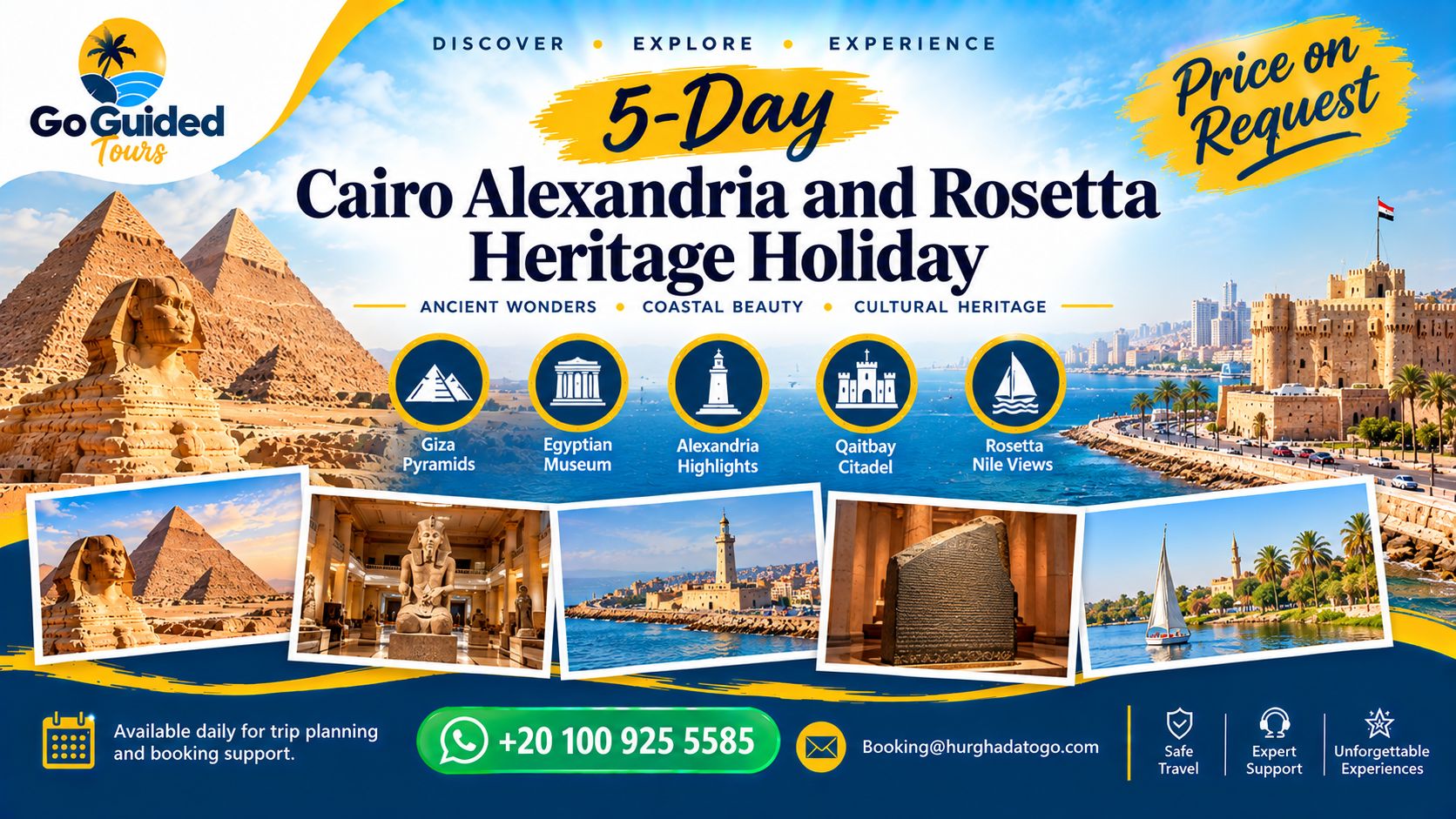
The 5-day Cairo, Alexandria and Rosetta heritage holiday takes you from the Pyramids to the Mediterranean coast, where Alexander the Great's city and the small Nile-delta town that gave the world the Rosetta Stone preserve a very different layer of Egypt's past. Starting and ending in Cairo, the route runs Cairo → Alexandria → Rosetta → Cairo.
This private Egypt heritage tour combines Pharaonic, Greco-Roman, medieval and Ottoman history in five relaxed days. A private guide explains each site, a private vehicle handles the roads, and the plan can be adjusted to your dates and interests before booking.
Tour Overview
Most visitors to Egypt stay on the Nile, yet the northern coast holds some of the country's most layered history. This Alexandria and Rosetta tour covers the Giza plateau and the Grand Egyptian Museum, the Greco-Roman monuments of Alexandria, the Qaitbay Citadel on the site of the Pharos Lighthouse, the Bibliotheca Alexandrina, and the Ottoman houses and fortress of Rosetta.
| Duration | 5 days / 4 nights |
| Start and end | Arrival in Cairo, departure from Cairo |
| Route | Cairo → Alexandria → Rosetta → Cairo |
| Tour type | Private guide and vehicle, tailor-made planning |
| Main sites | Giza, Pompey's Pillar, Kom el-Shoqafa Catacombs, Qaitbay Citadel, Bibliotheca Alexandrina, Rosetta |
| Accommodation | 3 nights Cairo, 1 night Alexandria |
| Price | Price on Request, confirmed in a written quotation |
Tour Highlights
Day-by-Day Itinerary: 5-Day Cairo Alexandria and Rosetta Heritage Holiday
This is the recommended plan. Opening hours and traffic can affect timings, so your guide confirms each day's schedule and adjusts stops if needed.
Day 1: Arrival in Cairo
Your representative meets you at Cairo International Airport and drives you to your hotel. After resting, you meet your guide for a briefing on the route.
- Private airport meet and assist
- Hotel check-in and trip briefing
- Evening at leisure
Day 2: Giza Pyramids and Grand Egyptian Museum
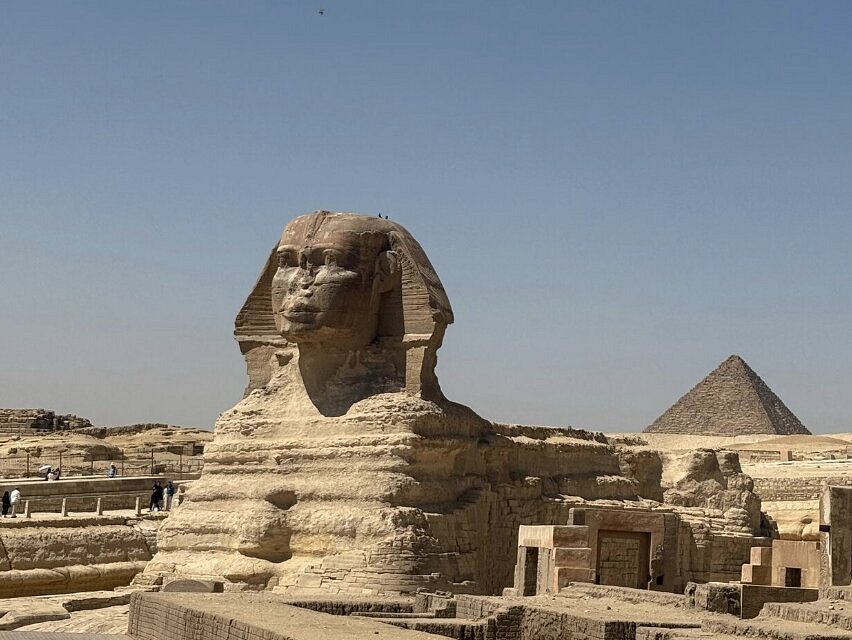
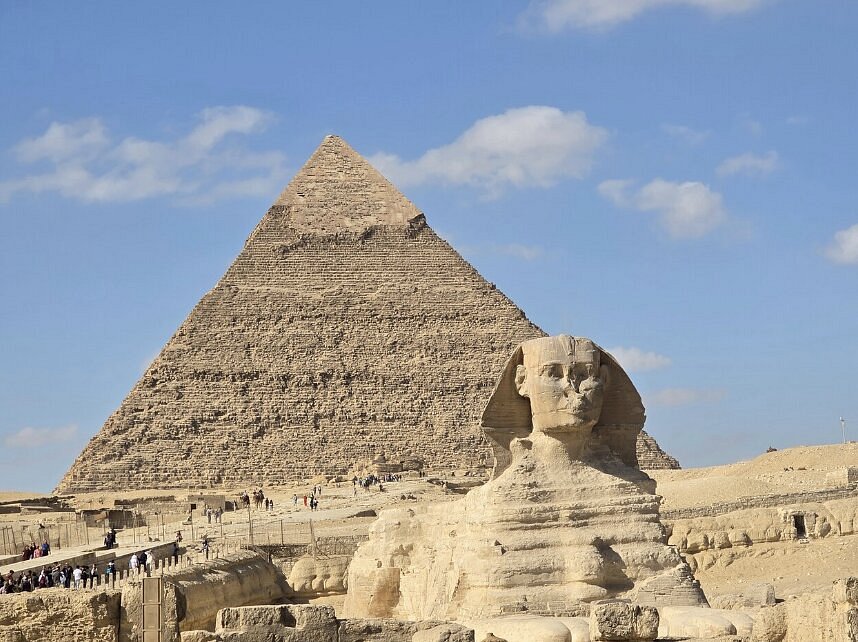
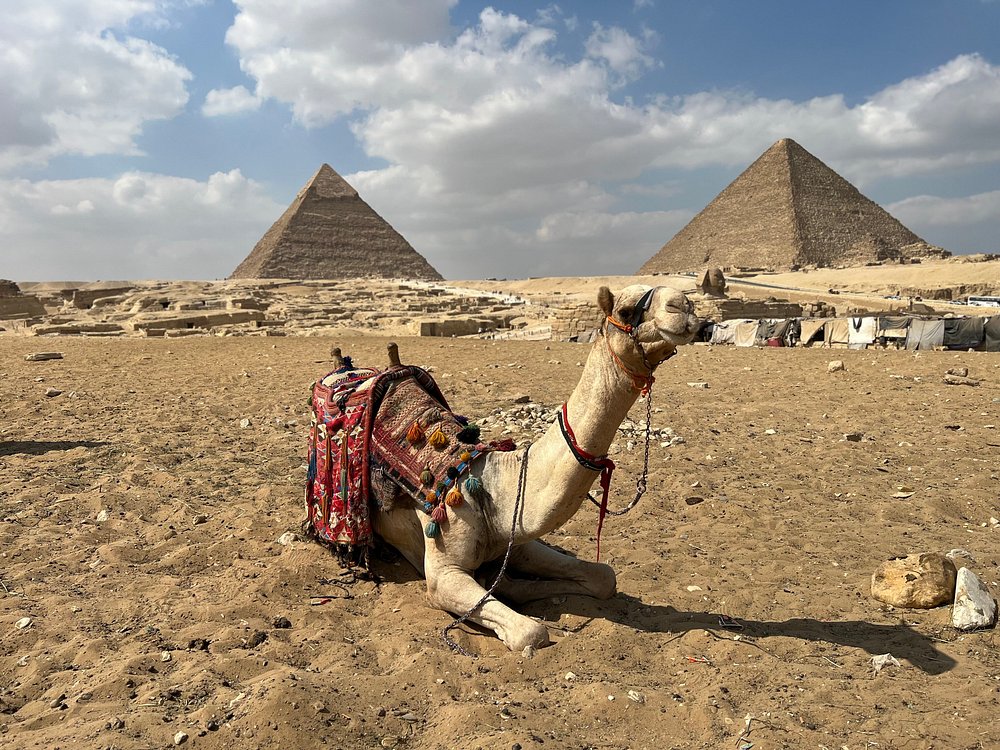
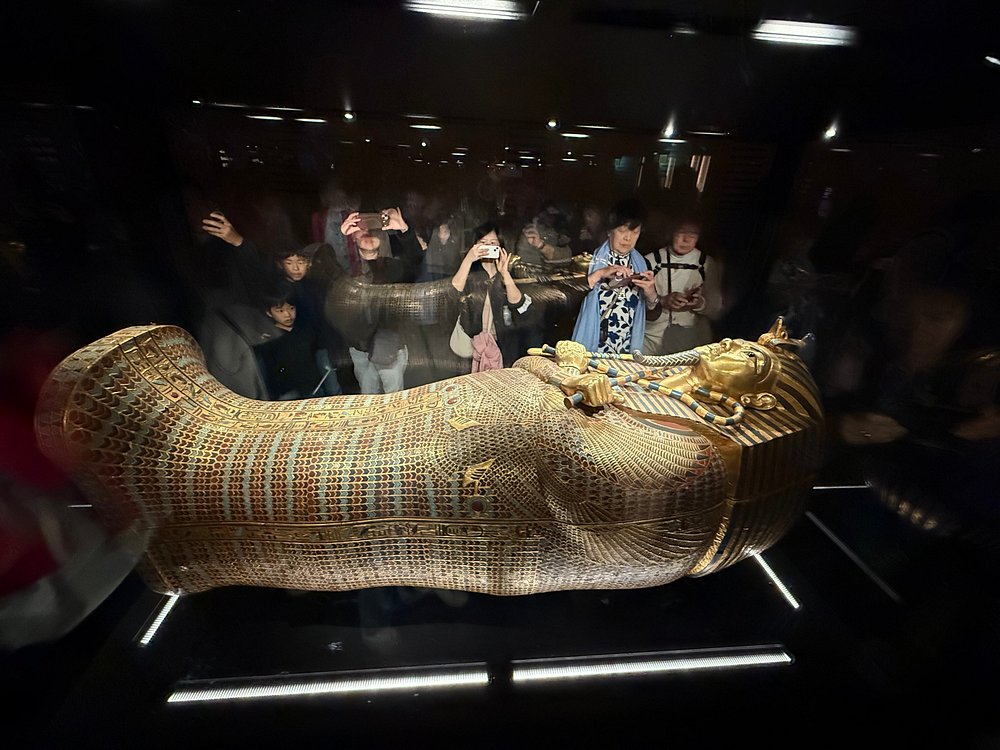
Visit the Giza Plateau for the three great pyramids and the Sphinx, then the Grand Egyptian Museum and the Tutankhamun galleries.
- Great Pyramid, Pyramid of Khafre and Sphinx
- Panoramic viewpoint over the three pyramids
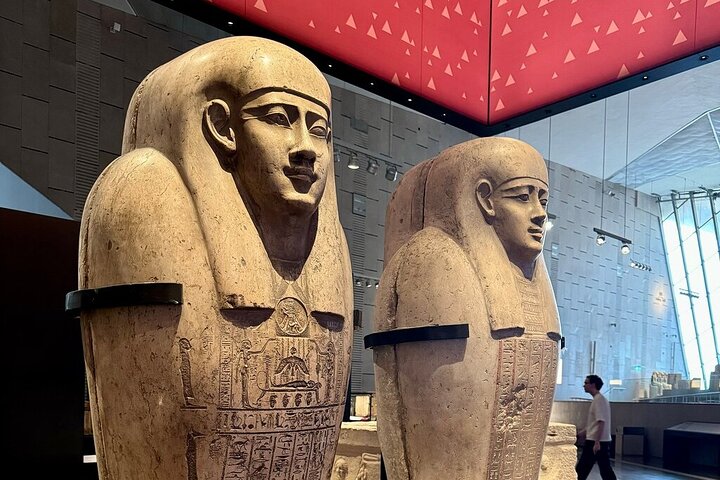
- Grand Egyptian Museum and the Grand Staircase
Day 3: Cairo to Alexandria
Drive to Alexandria, around two and a half to three hours from Cairo. Explore the Roman monuments, enjoy a seafood lunch and watch sunset from the corniche.
- Pompey's Pillar and the Serapeum site
- Catacombs of Kom el-Shoqafa
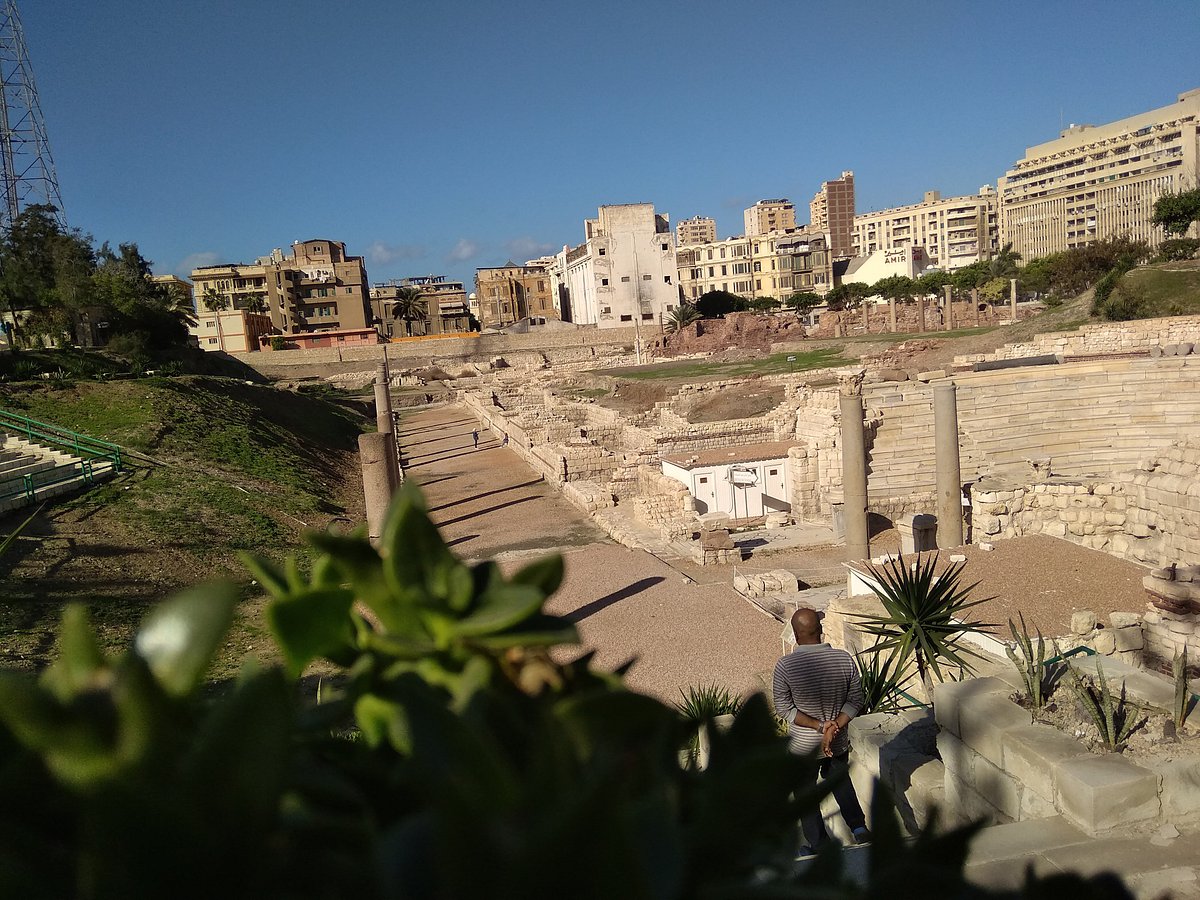
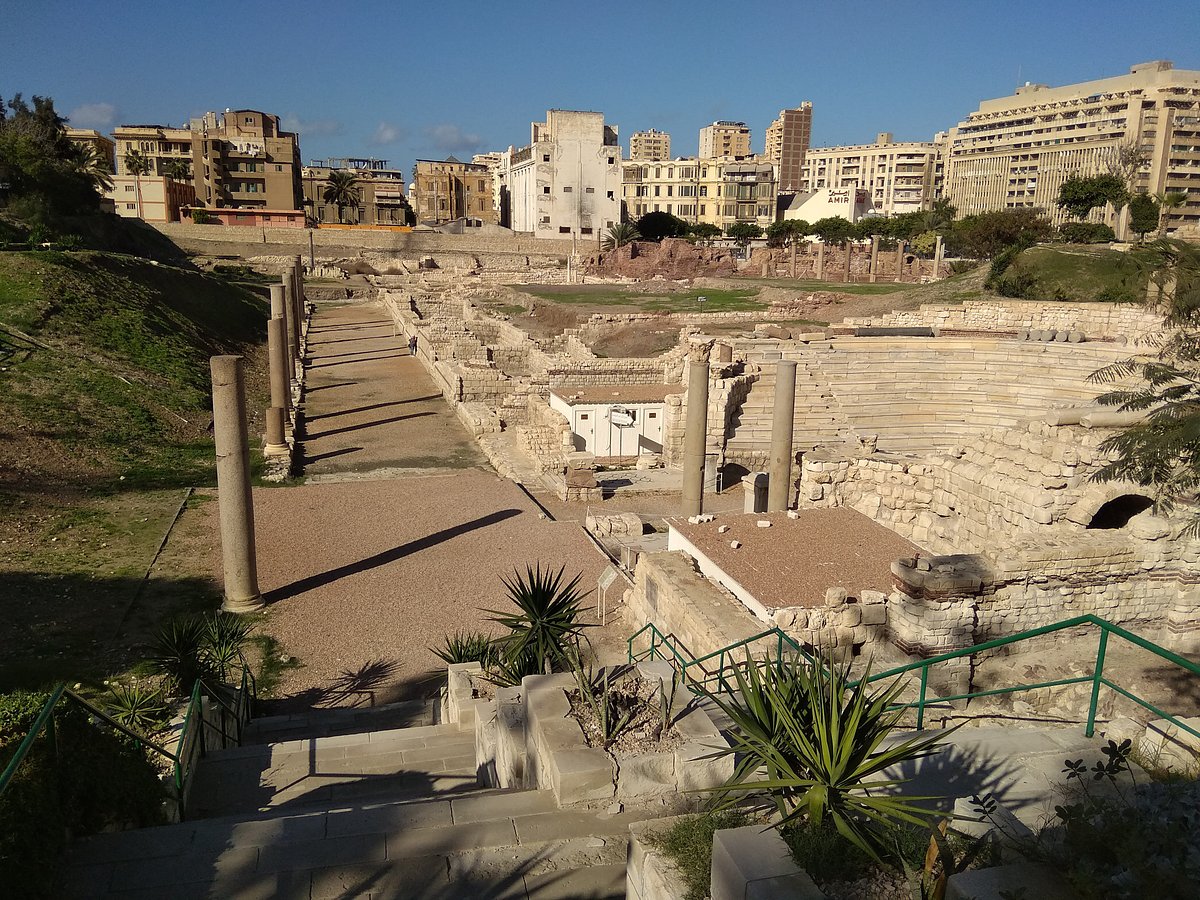
- Roman Amphitheatre at Kom el-Dikka
- Seafood lunch and sunset on the corniche
Day 4: Alexandria, Rosetta and Return to Cairo
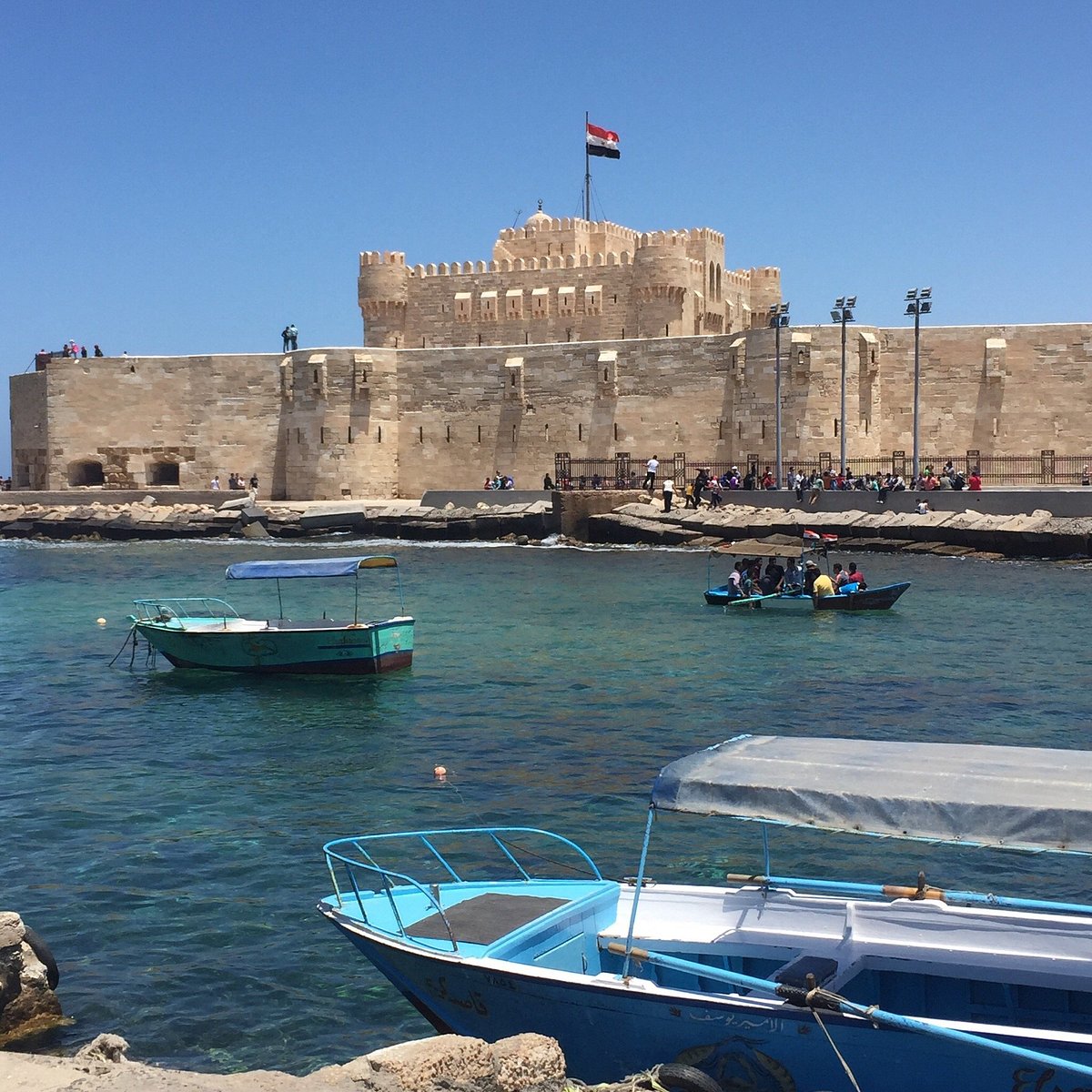
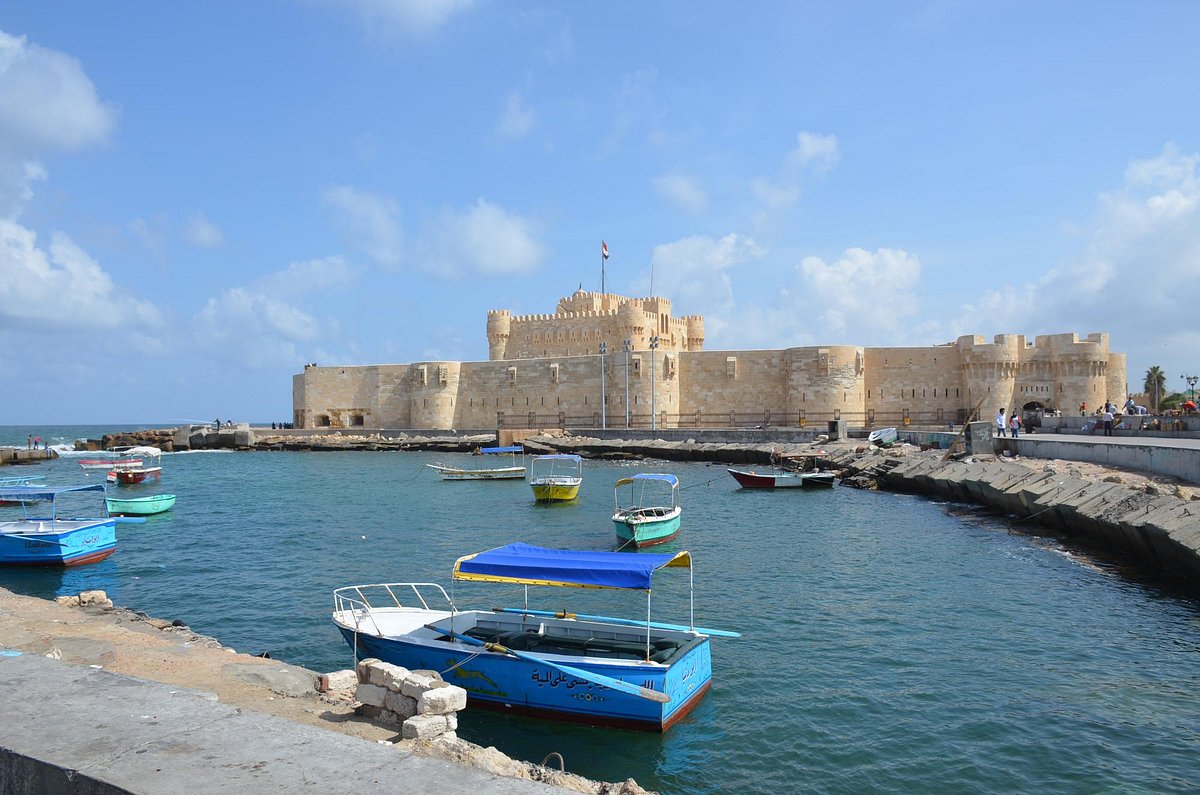
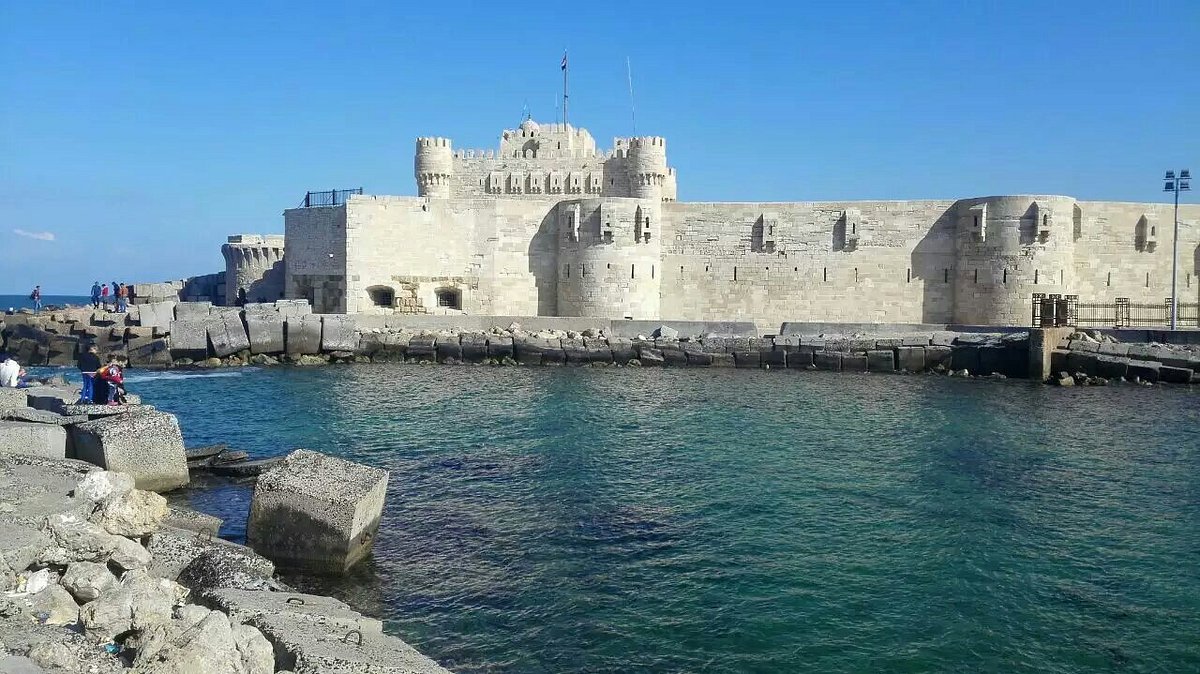
Visit the Citadel of Qaitbay and the Bibliotheca Alexandrina in the morning. Then drive east to Rosetta to explore its old houses and fort, before returning to Cairo in the evening.
- Citadel of Qaitbay on the Mediterranean
- Bibliotheca Alexandrina and its manuscripts museum
- Rosetta Ottoman houses and Qaitbay Fort of Rashid
- Evening drive to Cairo, a long but scenic day
Day 5: Departure from Cairo
After breakfast, a private transfer takes you to Cairo International Airport for your onward flight, or you can extend to Luxor, Aswan or a Nile cruise.
- Private airport transfer
- Optional extension to El Alamein, Siwa or Luxor
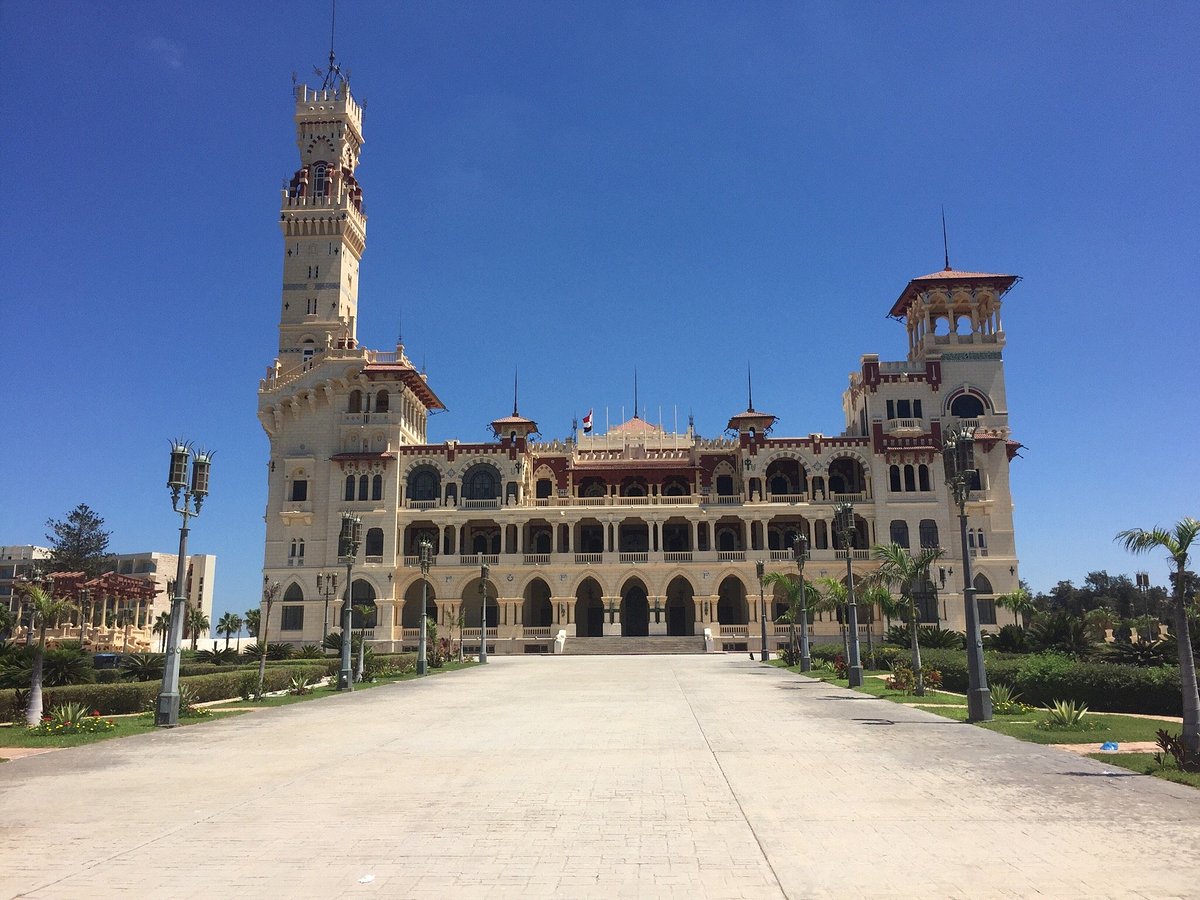


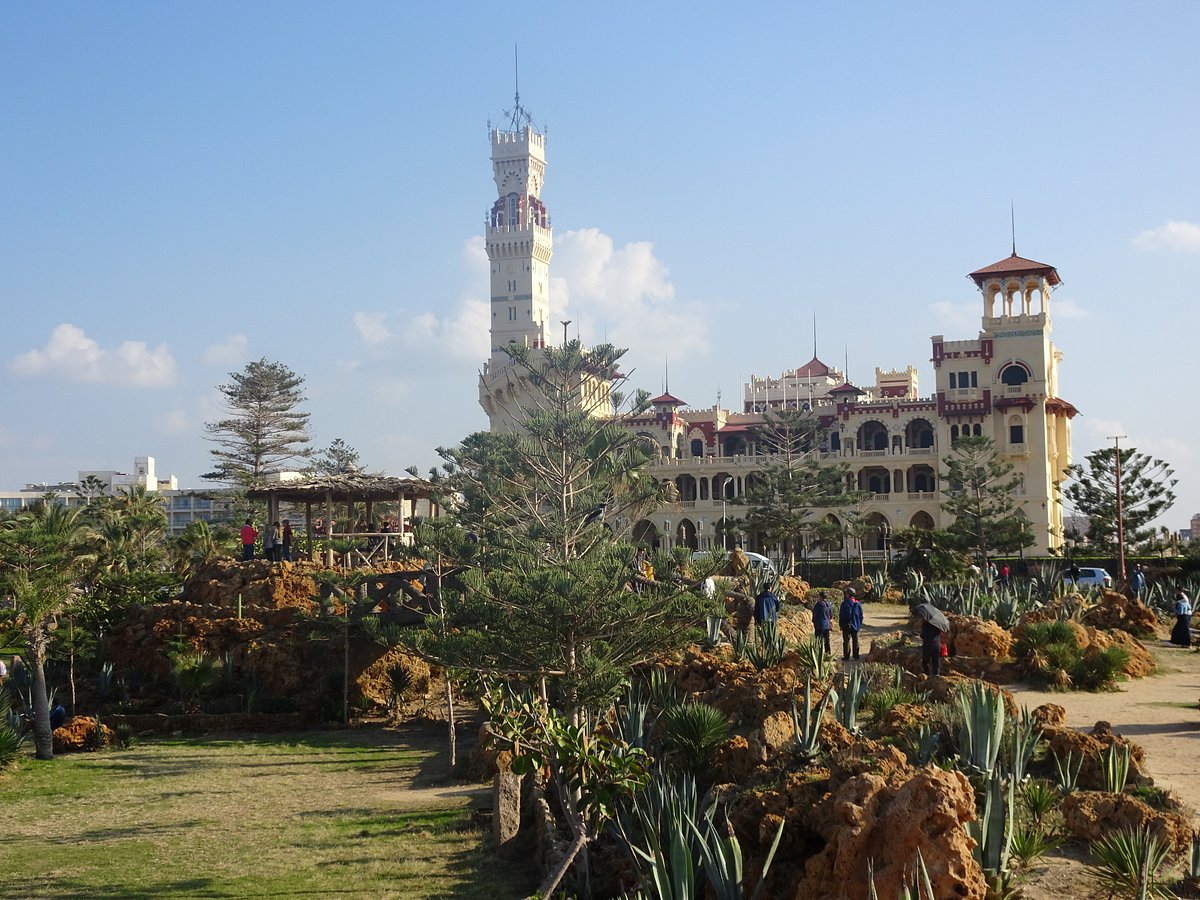


Places You Will Visit and Their History
Each stop on this Cairo to Alexandria tour adds a different chapter to the story of Egypt. Here is the background to each.
Giza Pyramids and the Sphinx
The three Giza pyramids were raised around 2600 to 2500 BCE for Khufu, Khafre and Menkaure. The Great Pyramid stood about 146 metres high and was the tallest building on earth for thousands of years, and the Sphinx beside it is carved from the living limestone.
Grand Egyptian Museum
This museum beside the plateau tells Egyptian history from prehistory to Roman times and displays the full Tutankhamun collection, more than a century after Howard Carter found the tomb in 1922.
Alexandria
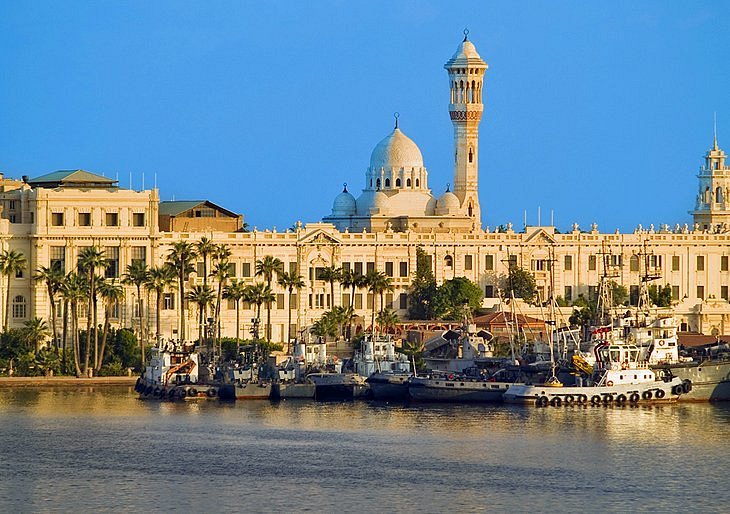
Alexandria was founded in 331 BCE by Alexander the Great and became the capital of the Ptolemaic kings. Its harbour, library and lighthouse made it one of the greatest cities of the ancient world, and later it became a cosmopolitan Mediterranean port.
Pompey's Pillar and the Serapeum
Pompey's Pillar, a red granite column about 25 metres high, was raised in 297 CE to honour Emperor Diocletian, and was wrongly named after Pompey. It stands on the site of the Serapeum, a temple of Serapis that once housed part of the ancient library.
Catacombs of Kom el-Shoqafa
Discovered in 1900 when a donkey fell into a shaft, these catacombs of the 1st to 2nd centuries CE spiral down through rock-cut chambers. Their carvings blend Egyptian, Greek and Roman styles in a striking way.
Roman Amphitheatre at Kom el-Dikka
Found in the 1960s during building work, this small Roman theatre has marble seating tiers in a semicircle and lies beside the remains of Roman baths and lecture halls, hinting at Alexandria's scholarly life.
Citadel of Qaitbay
Built in 1477 to 1479 by Sultan Qaitbay on the site of the Pharos Lighthouse, one of the Seven Wonders of the Ancient World, this fortress used stones from the fallen lighthouse. It guards the harbour entrance and gives sweeping sea views.
Bibliotheca Alexandrina
Opened in 2002, this disc-shaped library honours the ancient Library of Alexandria, founded in the 3rd century BCE. Its granite wall is carved with letters from many alphabets, and it holds museums and collections of manuscripts.
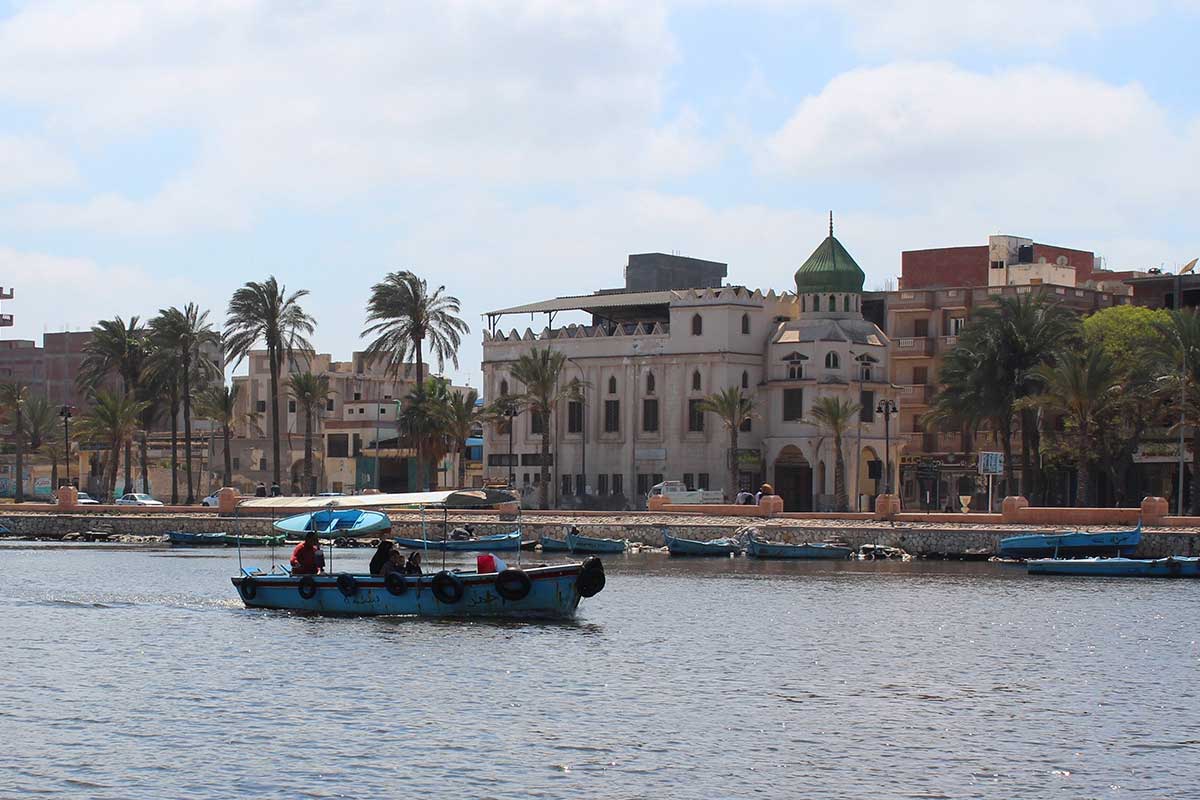
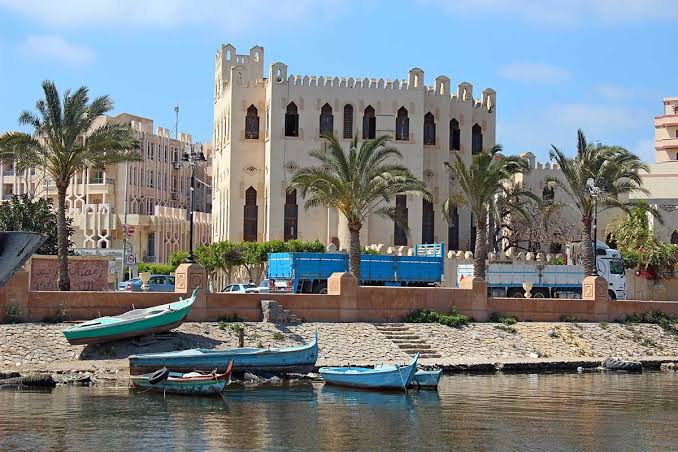
Rosetta (Rashid)
Rosetta sits near the mouth of the Rosetta branch of the Nile on the Mediterranean. In the 17th and 18th centuries it was a prosperous port, and its Ottoman merchant houses with carved wooden screens and brickwork still line the old streets.
Fort Qaitbay of Rashid and the Rosetta Stone
In 1799, a French officer rebuilding the fort found a slab inscribed in three scripts, hieroglyphic, Demotic and Greek: the Rosetta Stone, a decree of 196 BCE. It was taken to Britain after 1801, and the study of its text allowed Jean-François Champollion to decipher hieroglyphs in 1822. The original is in the British Museum, and Rosetta tells its story with replicas and displays.
Why Visit Alexandria and Rosetta?
Alexandria shows what happened when Egypt met the Greek and Roman worlds, and Rosetta shows how a Delta town became the hinge on which the decipherment of hieroglyphs turned. Together they give context for everything you see in the Pharaonic temples of the south.
The coast also offers a change of pace: sea air, fresh seafood and a relaxed café culture. It is a good choice for travellers who want history without long desert drives, and for those who have already seen Luxor and Aswan.
Alexandria and Rosetta Timeline
Activities on This Holiday
Accommodation and Meals
You stay three nights in Cairo and one night in Alexandria. Hotel category is confirmed in your written proposal according to your budget and dates. Breakfast is included at hotels, and other meals follow your quotation.
Transport and Driving Times
All transfers and sightseeing drives use a private air-conditioned vehicle. Approximate driving times are:
| Cairo to Alexandria | Around 2.5 to 3 hours |
| Alexandria to Rosetta | Around 1.5 hours |
| Rosetta to Cairo | Around 3.5 to 4 hours |
Times are approximate and depend on traffic and stops. Your quotation confirms the vehicle for your group size.
What Is Included and Not Included
Final inclusions are always confirmed in writing before payment.
Prices
The price depends on your dates, hotel category, number of travellers and vehicle type. Send us your plan and we will reply with a clear written quotation.
| Book on WhatsApp |
| [email protected] |
Booking and Cancellation
Share your dates, number of adults and children and preferred comfort level. We send a personalised itinerary, you approve the details, and you pay by Cash, PayPal, Binance, Visa or Mastercard. Cancellation and amendment terms depend on the hotels selected and are stated in your written quotation. Call or message us on +20 100 925 5585.
Best Time to Go and What to Pack
The best time for an Alexandria tour is spring and autumn, from March to May and September to November, when days are warm and the sea breeze is pleasant. Winters can be cool and rainy on the coast, and July and August are hot and humid. Pack light layers, a light jacket for sea breezes, comfortable walking shoes, a sun hat, sunscreen and modest clothing for mosques and churches.
Frequently Asked Questions
Is the Rosetta Stone in Rosetta?
Is the ancient lighthouse of Alexandria still standing?
Is Day 4 too long?
Can I extend to El Alamein or Siwa?
Is this suitable for families?
Related Tours and Guides
Browse all Egypt holiday packages, or read about Cairo and Giza.
Five days from Cairo to Alexandria and Rosetta with a private guide. Share your dates and we will prepare your personal proposal.
| Book on WhatsApp |
| Call +20 100 925 5585 |
| Email [email protected] |
Available daily for trip planning and booking support · Pay by Cash, PayPal, Binance, Visa or Mastercard