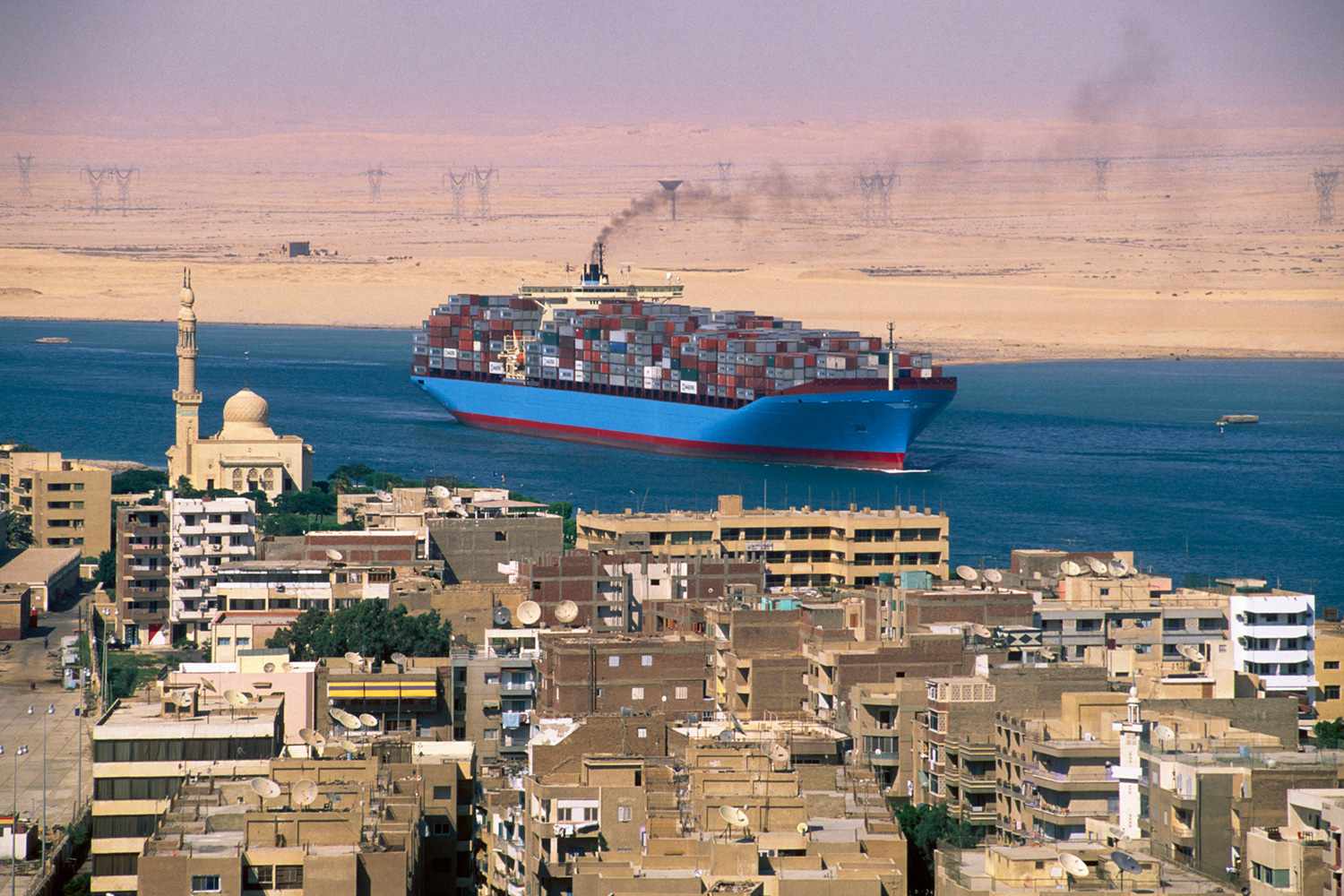
The Suez Canal is a sea-level waterway that links the Mediterranean with the Red Sea across Egypt’s Isthmus of Suez. Opened in 1869, it transformed the geography of global shipping by allowing vessels travelling between Europe and Asia to avoid the long route around southern Africa. Its history, however, is not only an engineering story: it includes Egyptian labour, colonial finance, nationalisation, war, closure, reopening and continuous expansion.
This guide follows the canal from nineteenth-century construction to the present, explains why it has no locks, traces the Suez Crisis and the eight-year closure after 1967, and connects the waterway with the maritime history of the northern Red Sea.
Suez Canal history: key dates
- 1859: construction begins under the Suez Canal Company.
- 17 November 1869: the canal officially opens to navigation.
- 1875: Britain purchases Egypt’s shares in the canal company.
- 1882: British occupation of Egypt gives the canal even greater imperial importance.
- 26 July 1956: President Gamal Abdel Nasser nationalises the company.
- 1967–1975: the canal remains closed after the Arab-Israeli war.
- 2015: a major expansion adds a parallel channel along part of the route and improves two-way traffic.
Why build a canal across Egypt?
Merchants and rulers had imagined water connections between the Nile region and the Red Sea since antiquity. The modern Suez Canal differed because it created a direct sea-level passage between the Mediterranean and Red Sea, independent of the Nile. Steam navigation, European industrial demand and expanding imperial trade gave the idea new urgency in the nineteenth century.
French diplomat Ferdinand de Lesseps obtained concessions from Egypt’s ruler Said Pasha and established the Suez Canal Company. The project promised faster maritime access between European ports and the Indian Ocean, but it also tied Egypt to costly finance and foreign influence.
Construction from 1859 to 1869
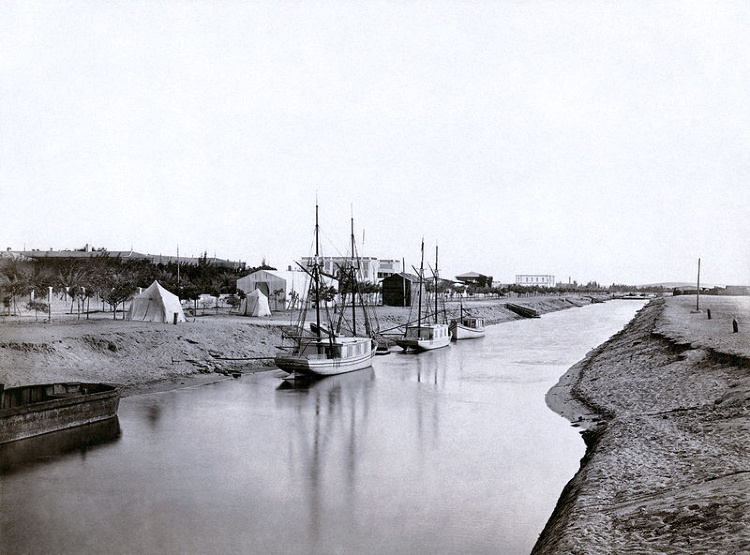
Work began in 1859. Early construction relied heavily on Egyptian labour under coercive systems before political pressure and mechanisation changed the workforce. Dredgers and specialised machines eventually removed vast quantities of sand and earth. New settlements, freshwater supply lines and workshops developed along the route.
The canal crossed lakes and low desert rather than cutting through a mountain range, yet the engineering challenge remained immense. Maintaining workers, moving equipment and controlling shifting sand required constant organisation. The waters met in 1869, and the official inauguration took place on 17 November.
How the Suez Canal changed global trade
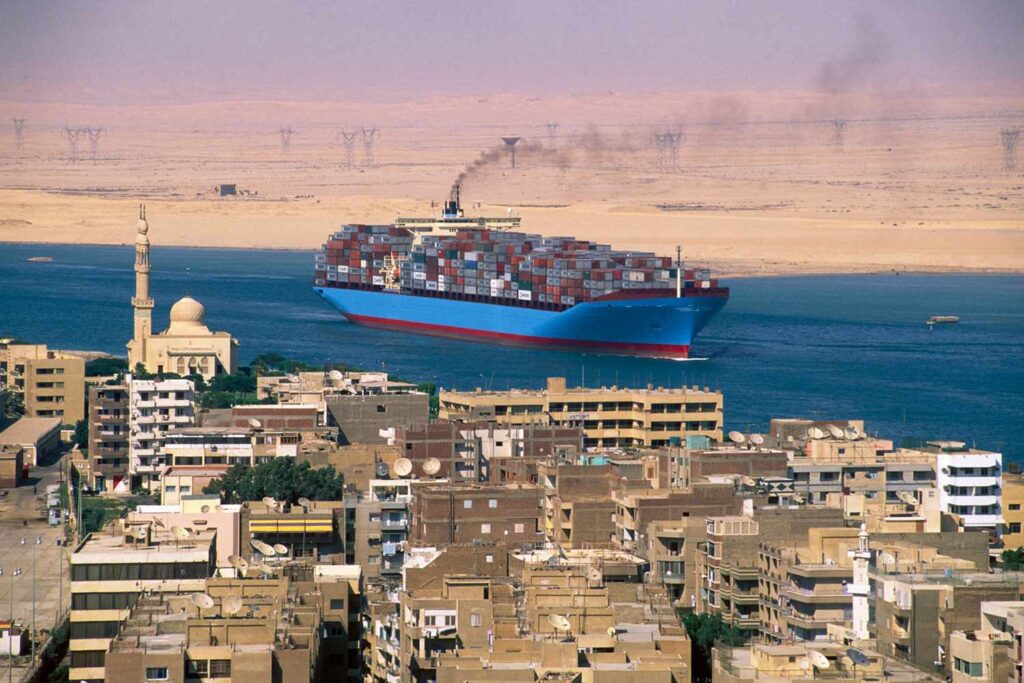
The canal shortened many routes between Europe, the Middle East and Asia by eliminating the need to round the Cape of Good Hope. It became especially important to Britain’s imperial connection with India and later to oil, container shipping and global supply chains.
Port Said grew at the Mediterranean entrance, Ismailia developed near the central section and Suez anchored the southern end. These canal cities became multicultural workplaces and strategic zones. Control of the waterway also became inseparable from the politics of empire.
Why does the Suez Canal have no locks?
The modern canal is a sea-level waterway. Unlike the Panama Canal, it does not need a system of locks to raise ships across high terrain. Vessels travel through channels, lakes and passing areas under convoy and traffic-control systems. Dredging, widening and bank reinforcement remain essential because ships have grown dramatically since 1869.
Debt, British influence and occupation
Egypt’s financial crisis led Khedive Ismail to sell the government’s canal shares to Britain in 1875. Although the company remained international and largely French in character, British strategic power expanded. Britain occupied Egypt in 1882 and treated the canal as a vital imperial route.
The waterway’s international importance was recognised through diplomatic agreements, but military power and colonial politics shaped how those principles operated. Egyptians had provided land, labour and investment while foreign shareholders and empires dominated control and profit.
Nationalisation and the 1956 Suez Crisis
On 26 July 1956, President Gamal Abdel Nasser announced the nationalisation of the Suez Canal Company. The decision was linked to Egyptian sovereignty and plans to finance national development after foreign funding for the Aswan High Dam was withdrawn.
Britain, France and Israel launched a military operation later that year. International pressure, including opposition from the United States and Soviet Union, forced an end to the invasion. The crisis marked a major decline in British and French imperial power and turned canal nationalisation into a defining symbol of modern Egyptian independence.
Closure from 1967 to 1975 and the Yellow Fleet
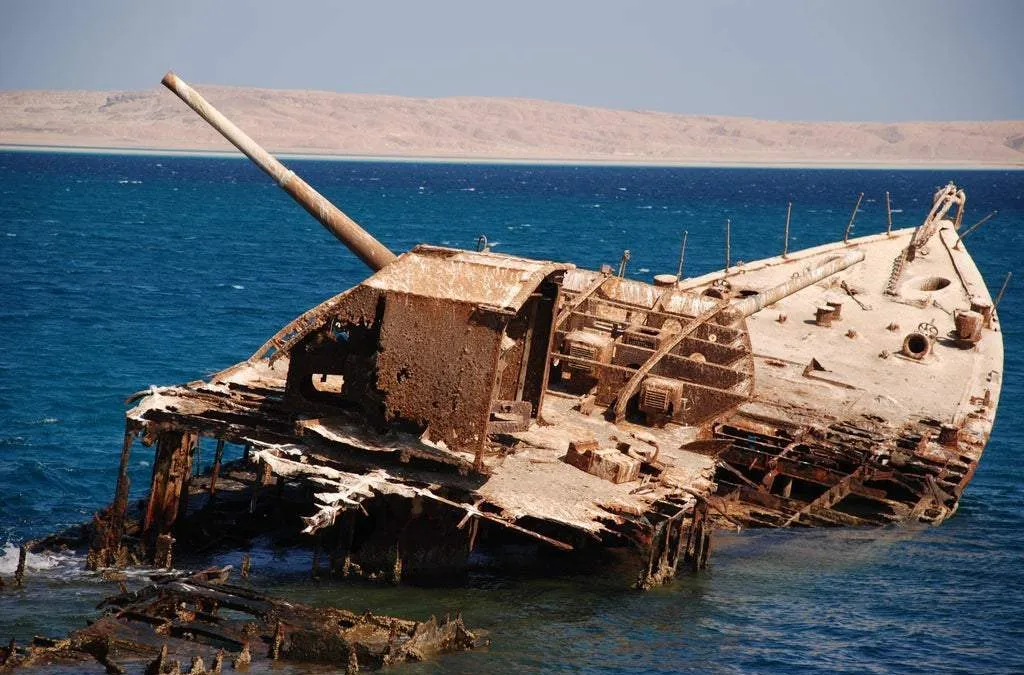
After the June 1967 war, the canal closed and became part of a heavily militarised front. Ships trapped in the Great Bitter Lake remained there for years and became known as the Yellow Fleet because desert sand coated their decks. Mines, wrecks and military debris had to be cleared before the waterway could reopen.
President Anwar Sadat reopened the canal in 1975. The return of navigation carried economic significance and also represented a new political phase after the 1973 war and subsequent disengagement agreements.
Modern expansion and the 2015 project
Successive widening and deepening projects allowed larger ships and increased capacity. In 2015, Egypt opened a major expansion that created a new parallel channel along part of the route and enlarged other sections. The objective was to reduce waiting times and expand two-way navigation.
Further work continues because vessel dimensions, safety needs and traffic patterns change. The canal remains a working piece of infrastructure rather than a monument frozen in 1869.
The canal and northern Red Sea wreck history
The Suez Canal is central to the history of Red Sea wreck diving. Shipping lanes, wartime supply routes and anchorages around the Gulf of Suez shaped the voyages of vessels later lost in the region. The stories of the SS Thistlegorm and Rosalie Moller make more sense when viewed within the canal’s strategic geography.
Understanding this connection turns a wreck dive into maritime history: ships were not isolated accidents but participants in networks shaped by the canal, war, trade and navigation through the northern Red Sea.
Seeing the Suez Canal today
Travellers encounter the canal from Suez, Ismailia and Port Said, but operational and military areas are regulated. Public viewpoints, museums and permitted crossings should be confirmed in advance. Photography near infrastructure can be restricted, so local instructions must be followed.
From Hurghada, a canal visit is better suited to a longer private route than a casual same-day excursion. It can be combined with Cairo, Ain Sokhna, Ismailia or a northern Red Sea historical itinerary.
Frequently asked questions
When did the Suez Canal open?
The official inauguration took place on 17 November 1869 after approximately a decade of construction.
Who owns the Suez Canal today?
The canal is managed by Egypt’s Suez Canal Authority following nationalisation in 1956.
Why was the canal closed for eight years?
It closed after the 1967 war and remained within a conflict zone until clearance and political changes allowed reopening in 1975.
Is the Suez Canal natural?
No. It is an artificial sea-level waterway using excavated channels and natural lakes along the isthmus.
Continue the northern Red Sea story
Explore the SS Thistlegorm wreck tour, compare the Rosalie Moller expedition, or request a tailor-made Egypt history itinerary.
References and further reading
- Suez Canal Authority: Official canal history
- CNRS News: The turbulent history of the Suez Canal
- Port Economics, Management and Policy: Development of the Suez Canal, 1869–2015