Abu Simbel Temples
The Magnificent Abu Simbel Temples: A Journey Through History and Wonder
Location & Accessibility
Abu Simbel is located approximately 280 km south of Aswan and just 40 km north of the Sudanese border. Due to its remote location, a small settlement has developed around the temples, largely sustained by tourism. Hotels, restaurants, and souvenir shops form the backbone of the local economy, along with the nearby Abu Simbel Airport.
How to Get There?
- From Aswan:
- By Road: A 3-4 hour desert drive (typically in a police-escorted convoy for safety).
- By Flight: Direct flights from Aswan (30 min) or Luxor (1h 15min).
- By Lake Nasser Cruise: Some luxury cruises stop at Abu Simbel, though most visitors arrive by land or air.
Security Note: Due to its proximity to Sudan, Abu Simbel has a strong security presence, including checkpoints and tourist police.
The Temples of Abu Simbel: A Masterpiece of Ancient Egypt
1. The Great Temple of Ramses II
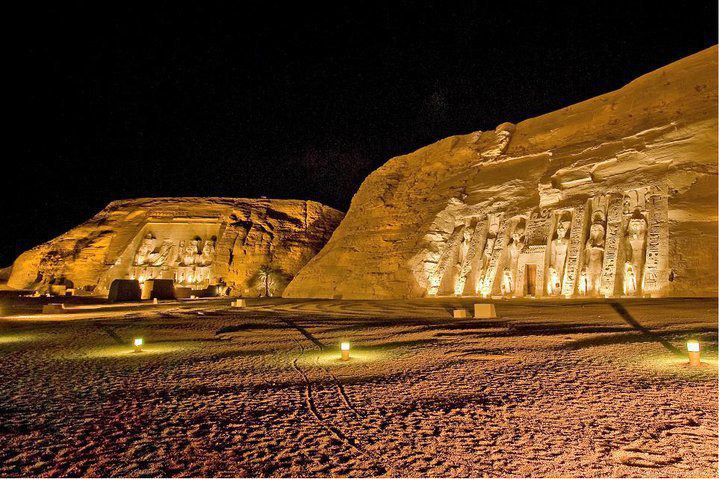
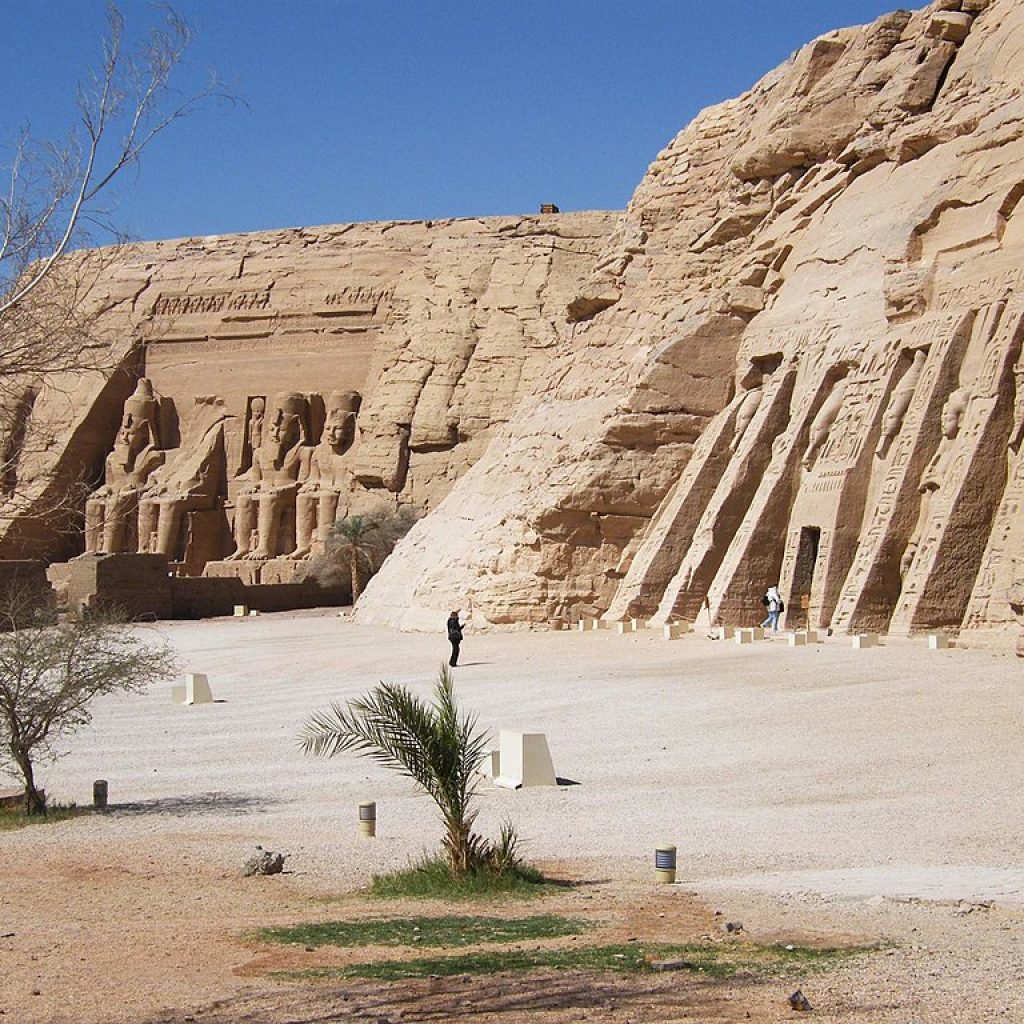
Dedicated to Pharaoh Ramses II, this colossal rock-cut temple is one of the most impressive monuments of ancient Egypt.
Key Features:
✔ Four 20-meter-tall seated statues of Ramses II guard the entrance.
✔ Interior halls decorated with battle scenes (including the famous Battle of Kadesh).
✔ Astronomical alignment: On February 21 & October 21, sunlight penetrates the inner sanctuary, illuminating statues of Ramses and the gods (a phenomenon known as the "Sun Miracle").
2. The Small Temple of Queen Nefertari
Dedicated to Queen Nefertari, Ramses II’s beloved wife, this temple is unique because it honors a queen as a goddess alongside Hathor.
Key Features:
✔ Six 10-meter-tall statues (four of Ramses, two of Nefertari).
✔ Hathor-themed reliefs, emphasizing fertility and protection.
✔ Less crowded, offering a more intimate experience.
Discovery & Rescue: How Abu Simbel temples Was Saved
Rediscovery by European Explorers
- 1813: Swiss explorer Johann Ludwig Burckhardt found the temples buried in sand.
- 1817: Italian adventurer Giovanni Belzoni excavated the entrance.
- 1828-1844: Detailed studies by Jean-François Champollion (decipherer of hieroglyphs) and Karl Richard Lepsius (founder of German Egyptology).
The UNESCO Rescue Mission (1960s)
When the Aswan High Dam construction threatened to submerge Abu Simbel under Lake Nasser, a massive international effort saved the temples:
✔ Cut into 1,040 blocks (weighing up to 30 tons each).
✔ Moved 65 meters higher and 180 meters inland.
✔ Reconstructed inside an artificial mountain to preserve their original appearance.
Did You Know? The project cost $40 million (equivalent to $300+ million today) and involved engineers from 50+ countries!
Best Time to Visit & Travel Tips ( Abu Simbel temples )
Recommended Itinerary
Option 1: Day Trip from Aswan (Long but Possible)
- 4:00 AM – Depart Aswan by convoy.
- 8:00 AM – Arrive at Abu Simbel, explore temples (2-3 hours).
- 12:00 PM – Return to Aswan.
Option 2: Overnight in Aswan (More Relaxed)
✔ Day 1: Fly to Aswan, visit Philae Temple & High Dam.
✔ Day 2: Early trip to Abu Simbel, return to Aswan for flight home.
Best Time to Go Abu Simbel temples
- October-April (cooler weather, ideal for exploring).
- Avoid summer (May-Sept) – temperatures exceed 40°C (104°F).
Estimated Costs
| Expense | Cost (USD) |
|---|---|
| Aswan-Abu Simbel Convoy | $20-$50 |
| Private Transfer | $100-$150 |
| Entrance Fee | $20 |
| Flight (Aswan-Abu Simbel RT) | $200+ |
Why Abu Simbel temples is a Must-See
✔ One of Egypt’s greatest architectural feats.
✔ UNESCO World Heritage Site with a fascinating rescue story.
✔ The "Sun Miracle" phenomenon (Feb 21 & Oct 21).
✔ Less crowded than Giza or Luxor.
Pro Tip: Combine your visit with a Lake Nasser cruise for a full Nubian experience!
Ready to Explore Abu Simbel temples?
Whether you choose a day trip from Aswan or a luxury Nile cruise, Abu Simbel is a once-in-a-lifetime experience.
🔹 Need help planning? Contact us for private tours, flights, and expert guides!
www.HurghadaToGo.com