

The 8-day Western Desert oasis tour from Luxor to Cairo follows the old caravan routes that link the Nile Valley with the great oases of the New Valley. The route runs Luxor → Kharga → Dakhla → Farafra → Bahariya → Cairo, a long arc through the Libyan Desert that passes Persian temples, Roman fortresses, medieval mud-brick towns and the chalk landscapes of the White Desert.
This private Egypt oasis tour is made for travellers who have seen the Nile and want the desert in depth. A private guide explains the history, experienced 4x4 drivers cover the tracks, and the plan can be adjusted to your dates, pace and comfort level before booking.
Tour Overview
The Western Desert covers about two thirds of Egypt but holds only a small share of its people. Its oases, strung out from south to north, were the staging posts of trade, pilgrimage and military routes for thousands of years. This Luxor to Cairo overland tour links four of them, with a night camping in the White Desert, and ends back in the capital.
| Duration | 8 days / 7 nights |
| Start and end | Arrival in Luxor, departure from Cairo |
| Route | Luxor → Kharga → Dakhla → Farafra → Bahariya → Cairo |
| Tour type | Private guide and 4x4, tailor-made planning |
| Main sites | Temple of Hibis, Bagawat, Qasr el-Dakhla, Balat, White Desert, Bahariya |
| Accommodation | 1 night Luxor, 1 night Kharga, 2 nights Dakhla, 1 night desert camp, 1 night Bahariya, 1 night Cairo |
| Price | Price on Request, confirmed in a written quotation |
Tour Highlights
Day-by-Day Itinerary: 8-Day Western Desert Oasis Tour from Luxor to Cairo
This is the recommended plan. Desert roads, permits and weather affect timings, so your guide confirms each day's schedule and adjusts the order of visits if needed.
Day 1: Arrival in Luxor
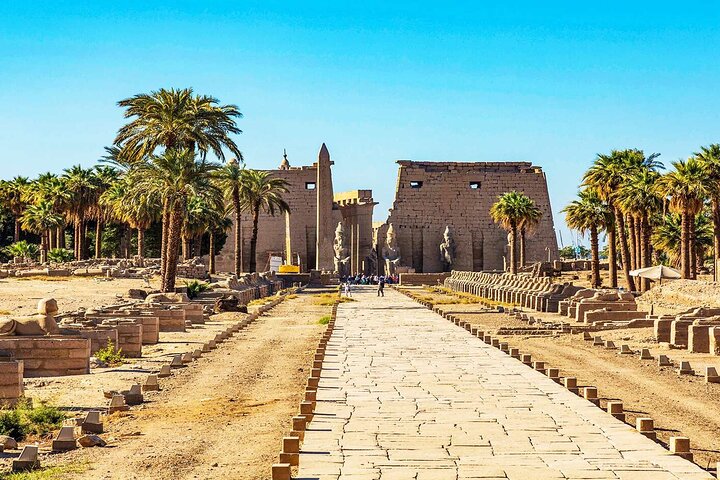
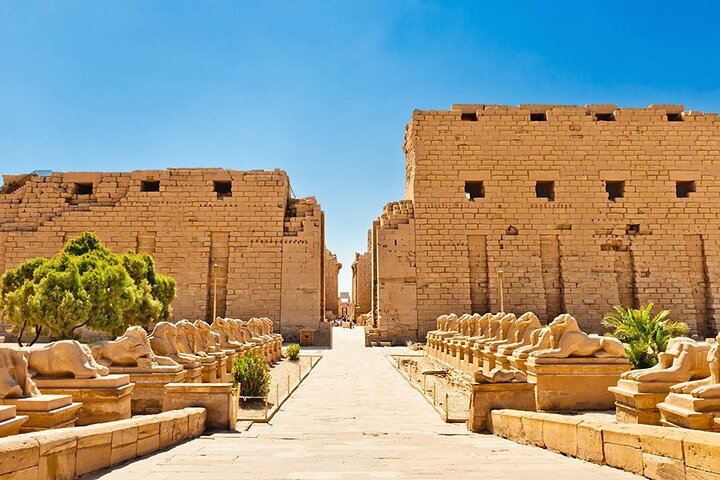
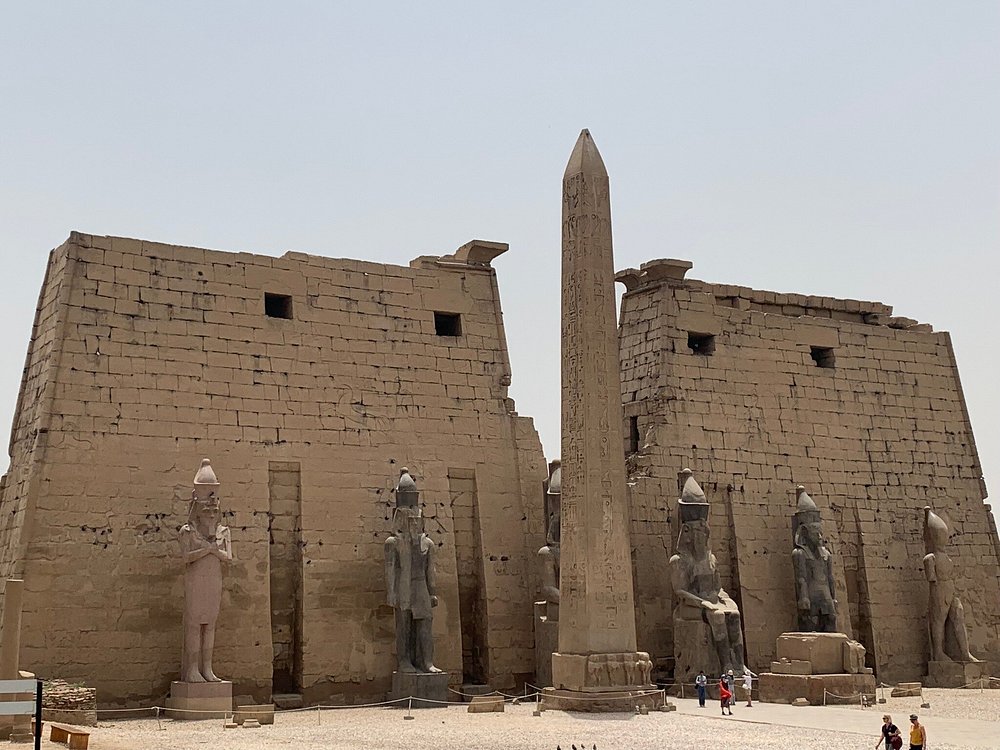
Your representative meets you at Luxor airport or hotel and takes you to your hotel. In the afternoon, visit Karnak Temple and Luxor Temple, or rest before the desert journey begins.
- Private airport meet and assist
- Optional Karnak and Luxor Temple visit (extra cost)
- Trip briefing and early night
Day 2: Luxor to Kharga Oasis
Leave Luxor and cross the desert to Kharga Oasis. Visit the Temple of Hibis and the Bagawat Necropolis before sunset.
- Desert drive from Luxor to Kharga, around five hours
- Temple of Hibis
- Bagawat Necropolis of early Christian chapels
- Kharga Museum if time allows
Day 3: Kharga to Dakhla Oasis
Drive to Dakhla Oasis, about three hours, with stops at Roman and Ptolemaic sites. Visit Qasr el-Dakhla in the late afternoon.
- Stops at Kharga area sites such as Nadura and Qasr el-Ghueita
- Drive to Dakhla
- Qasr el-Dakhla medieval town
- Sunset over the palm groves
Day 4: Dakhla Oasis Full Day
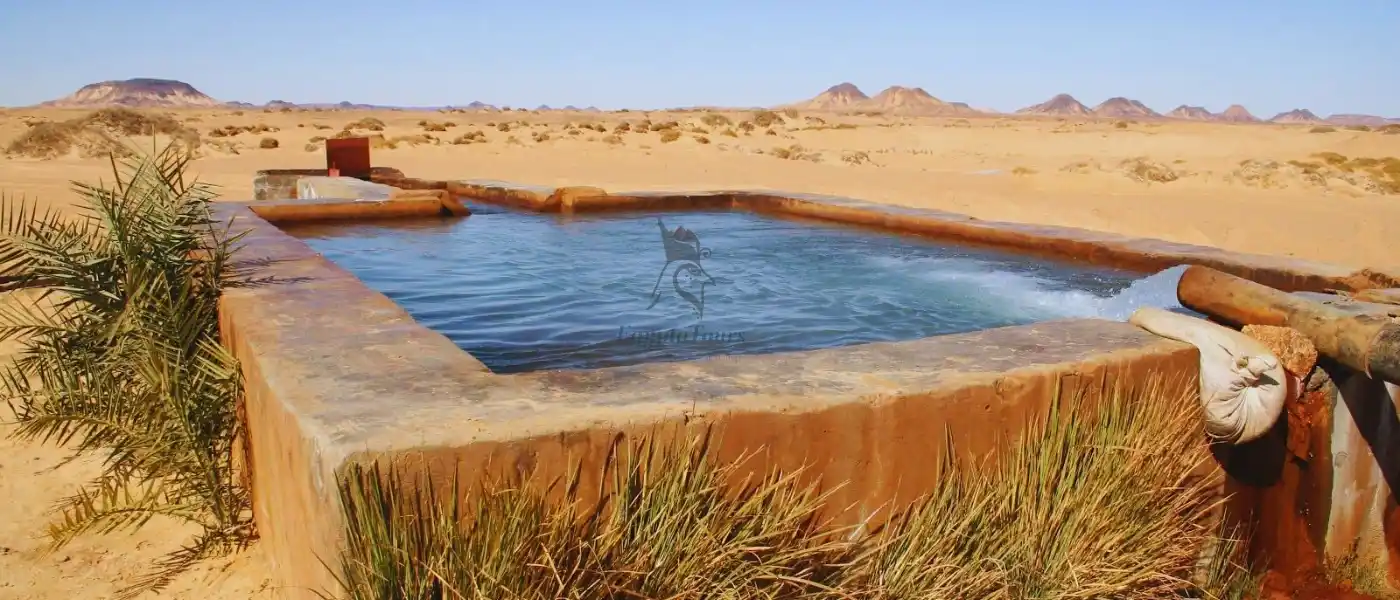
Spend the day exploring Dakhla's history, from Old Kingdom tombs to Roman temples, and relax at a hot spring in the afternoon.
- Balat old town and the Old Kingdom mastabas at Qila el-Dabba
- Deir el-Haggar Roman temple
- Painted tombs of Al-Muzawwaqa
- Hot spring or pool visit
Day 5: Dakhla to Farafra and the White Desert
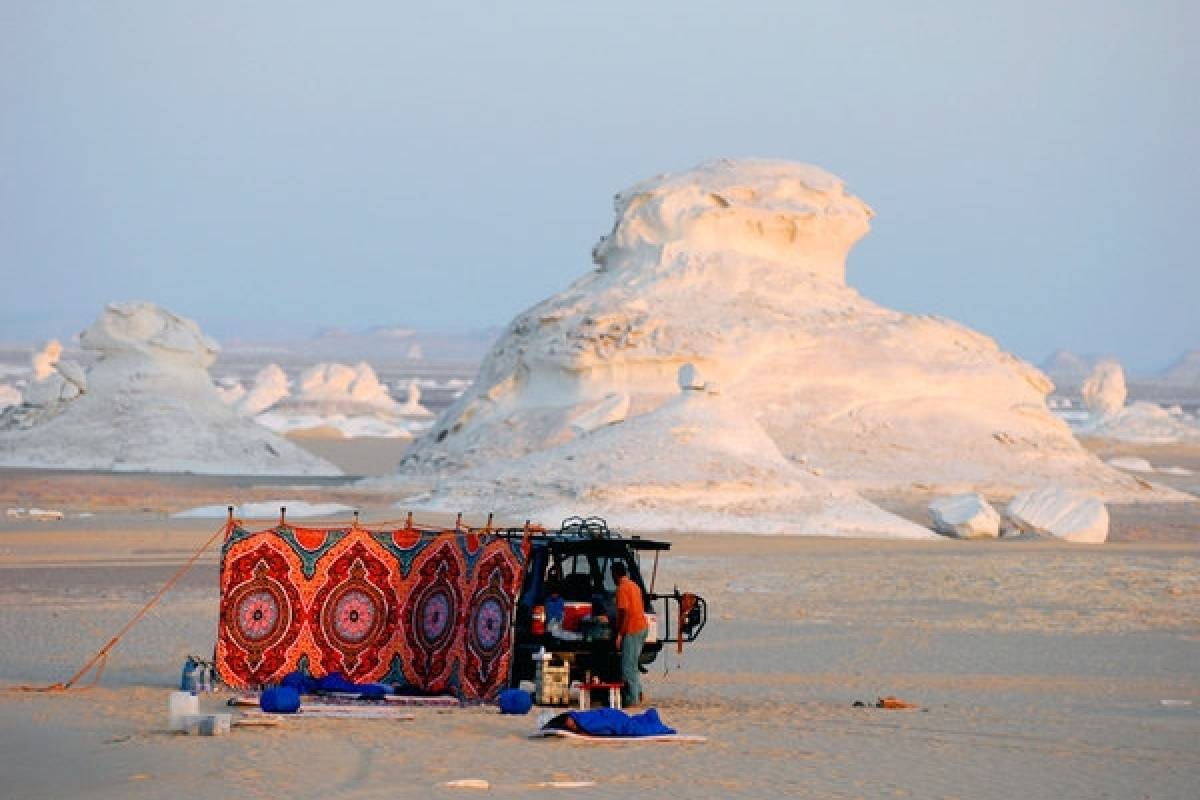
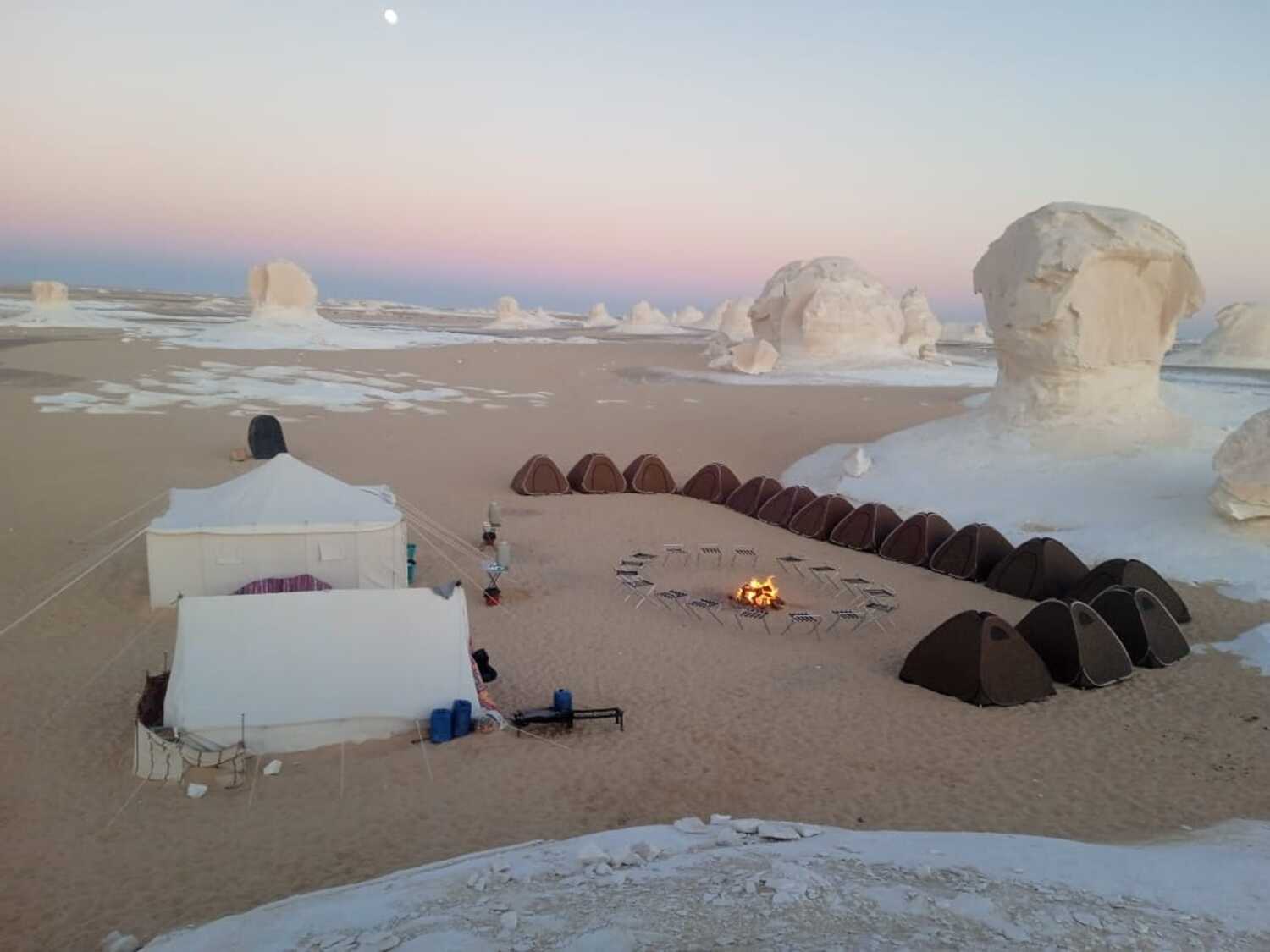
Drive to Farafra, about four hours, then continue into the White Desert for sunset and a campfire dinner.
- Drive from Dakhla to Farafra
- Badr's Museum in Farafra
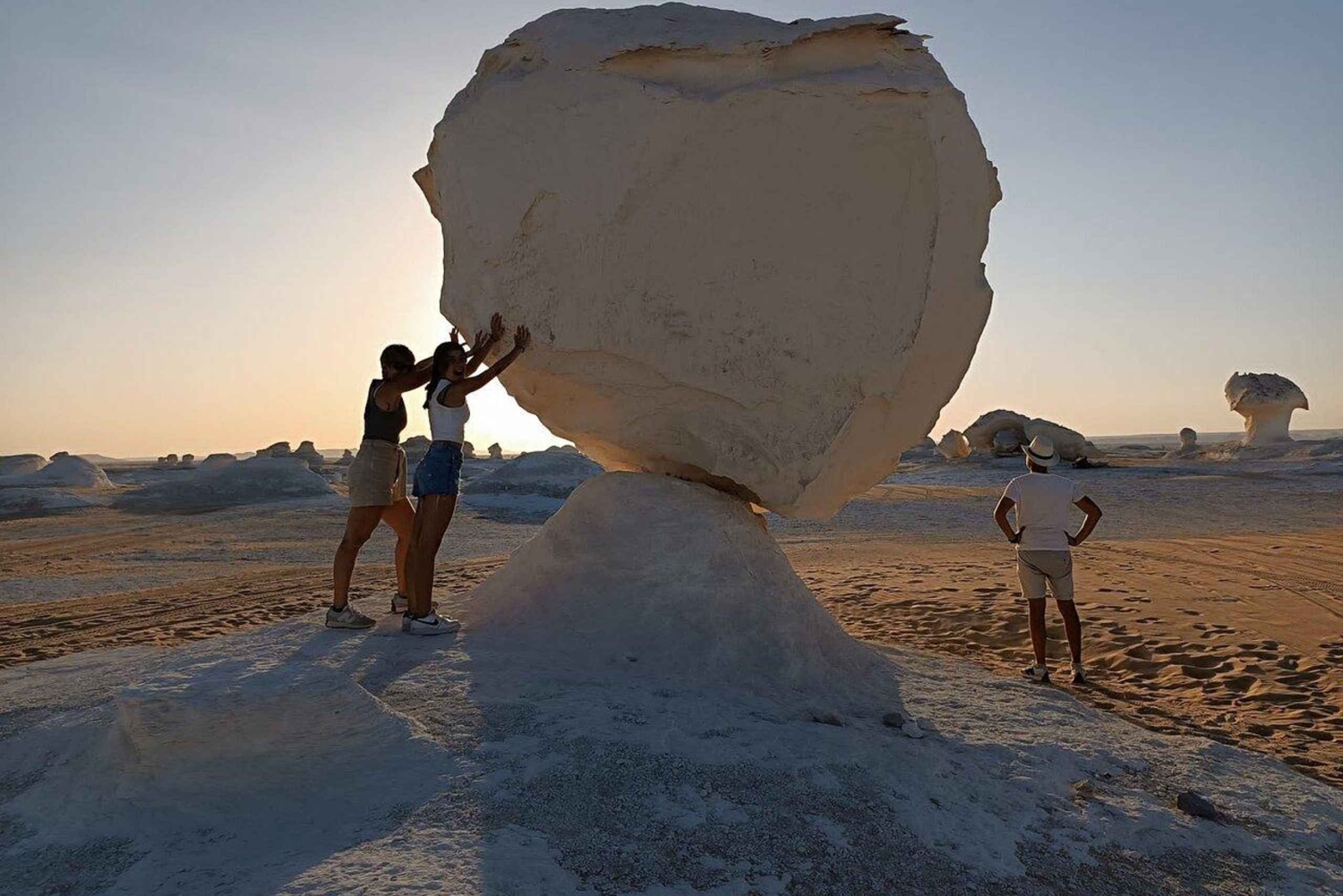
- Sunset among the white chalk rocks
- Campfire dinner and stargazing
Day 6: White Desert, Black Desert and Bahariya
Wake to sunrise in the White Desert, then continue by 4x4 to the Crystal Mountain, the Black Desert and Bahariya Oasis.
- Sunrise over the chalk formations
- Crystal Mountain and the Agabat valley
- Black Desert viewpoint
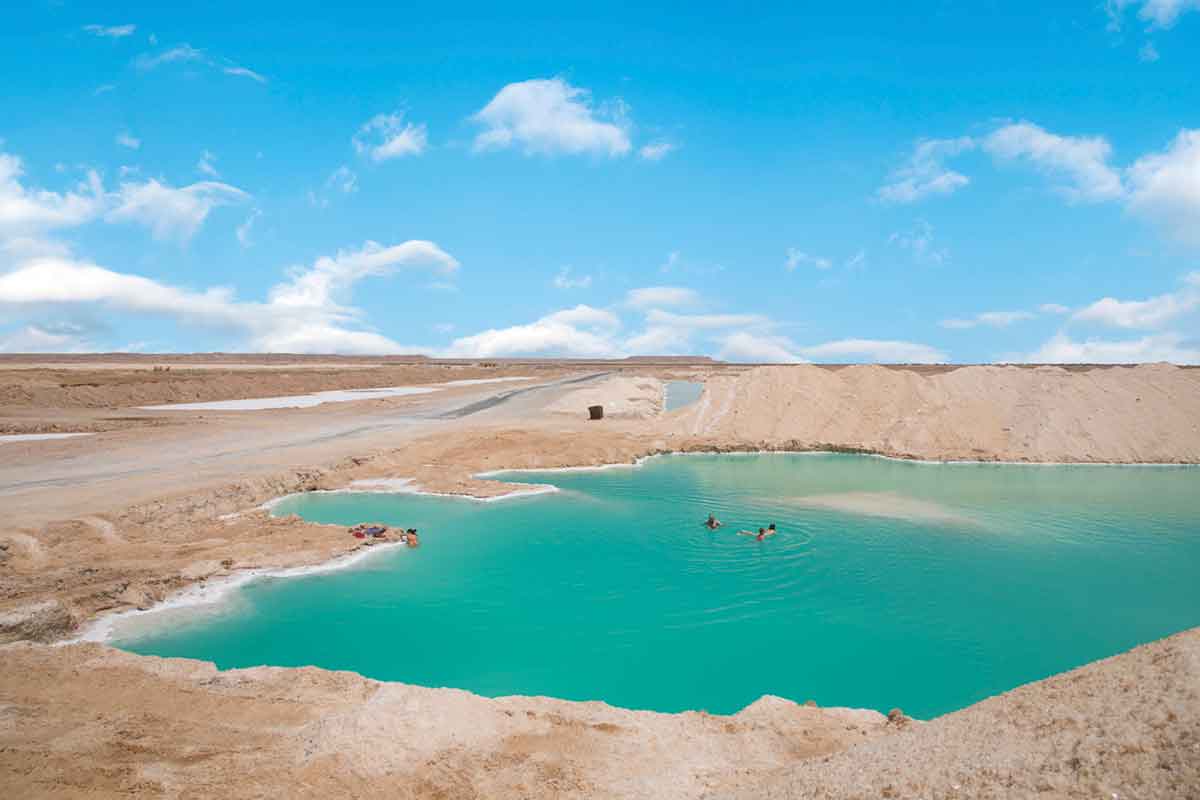
- Evening hot spring in Bahariya
Day 7: Bahariya to Cairo
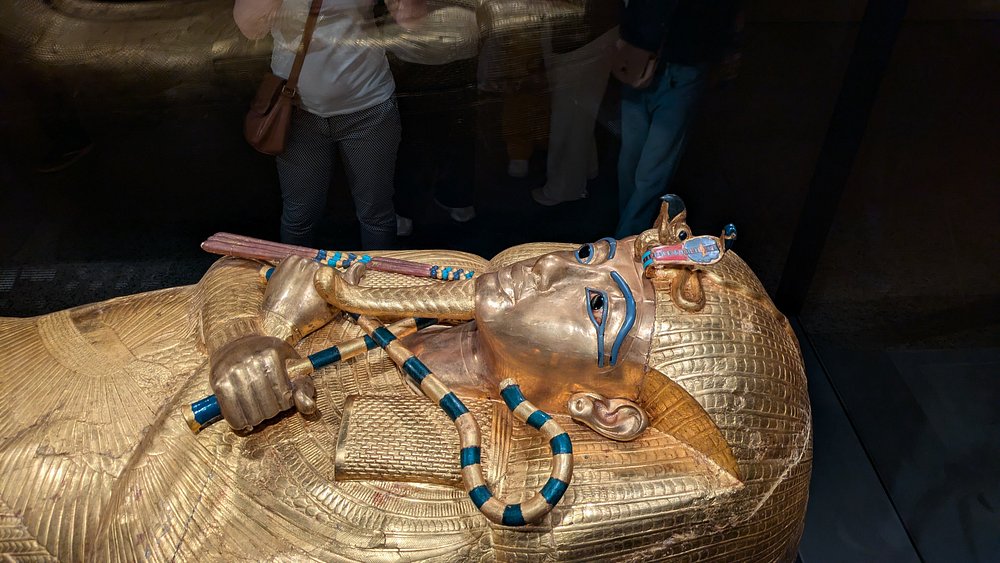
Visit the Museum of the Golden Mummies in Bawiti before driving to Cairo, about five hours, arriving in the evening.
- Museum of the Golden Mummies
- Drive from Bahariya to Cairo
- Evening at leisure in Cairo
Day 8: Departure from Cairo
After breakfast, a private transfer takes you to Cairo International Airport for your onward flight, or you can extend to Giza and Saqqara.
- Private airport transfer
- Optional extension to Giza, Saqqara or Alexandria
Oases and Sites You Will Visit
Each oasis on this New Valley tour has its own character. Here is the background to each stop.
Kharga Oasis
Kharga was known to the ancient Egyptians as the Southern Oasis and to the Greeks as the Great Oasis. It stood at the northern end of the Darb el-Arbain, the Forty Days Road, a caravan route from Sudan. Today it is the capital of the New Valley governorate.
Temple of Hibis
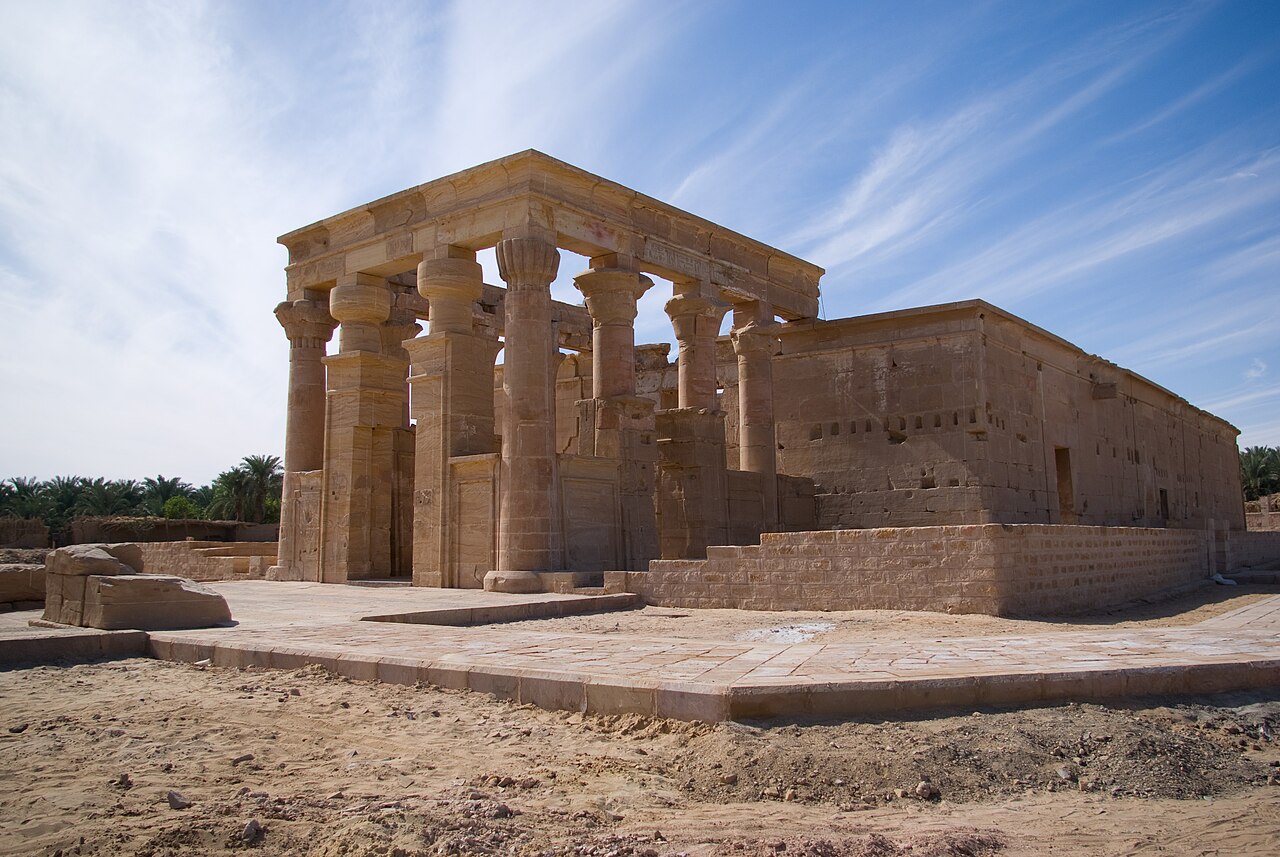
Begun by the Persian king Darius I around 520 BCE and later extended by Egyptian kings, the Temple of Hibis is the largest temple in the Western Desert and one of the best-preserved Persian-period temples in Egypt. It was dedicated to Amun of Hibis.
Bagawat Necropolis
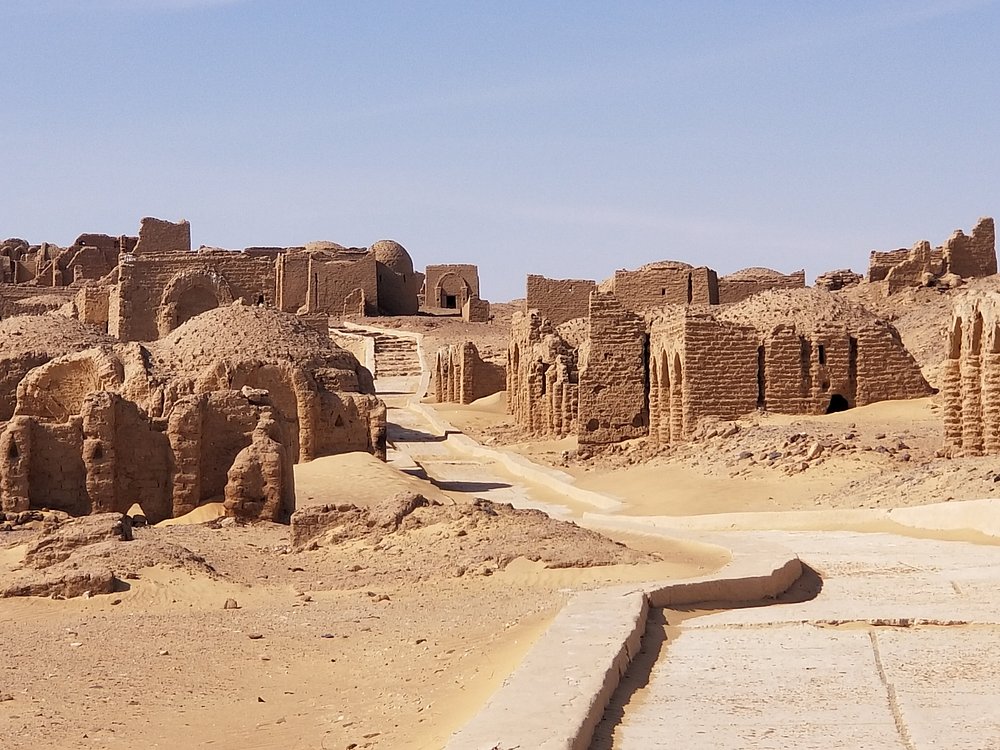
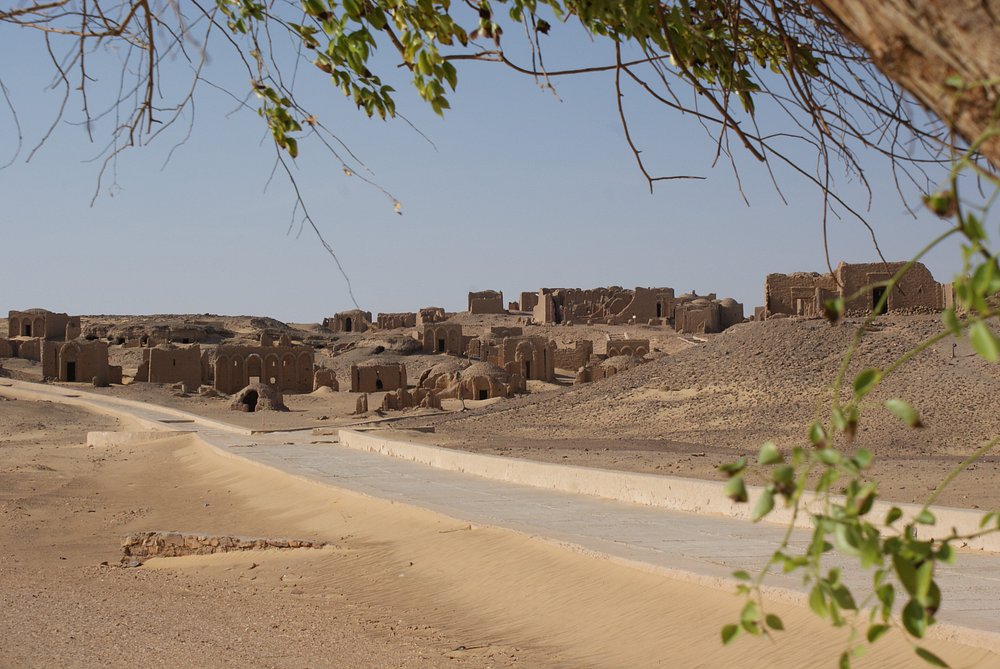
The Bagawat cemetery on a desert hillside contains around 260 mud-brick chapels from the 4th to 7th centuries CE. Painted scenes in some of them, such as the Chapel of the Exodus and the Chapel of Peace, are among the oldest Christian art in Egypt.
Qasr el-Ghueita and Nadura
Qasr el-Ghueita is a fortified Ptolemaic and Roman temple, and Nadura is a Roman temple on a hill above the town of Kharga. Both guarded the routes through the oasis.
Dakhla Oasis
Dakhla is a green oasis with springs, palm groves and mud-brick villages. It was inhabited from prehistoric times, and its sites span the Old Kingdom to the Ottoman era.
Qasr el-Dakhla
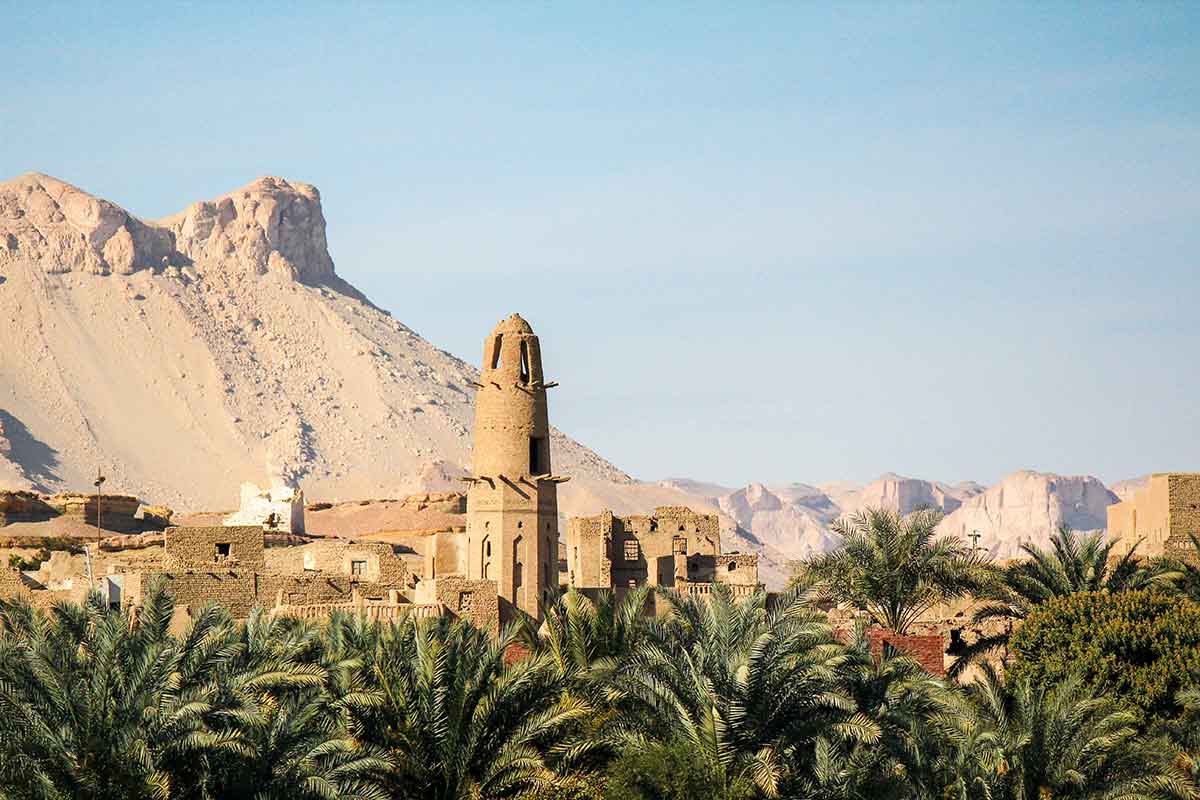
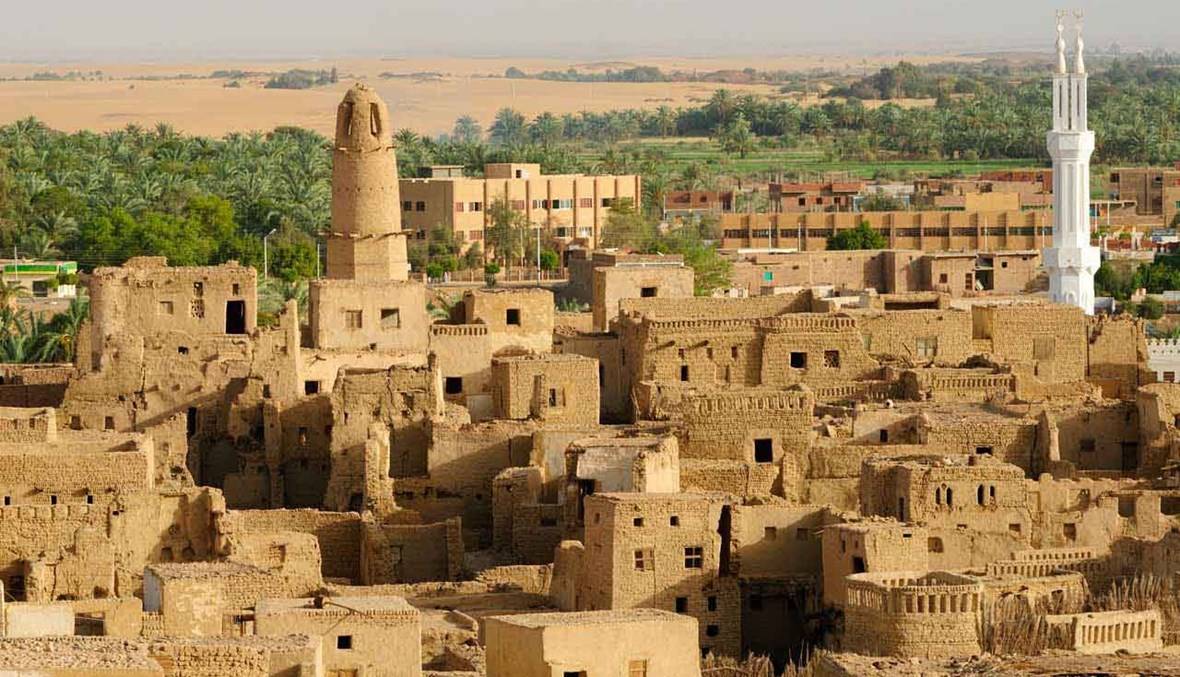
Qasr el-Dakhla is a medieval town of narrow lanes and mud-brick houses with carved wooden lintels, many dating from the Ottoman period. Its minaret dates to the 12th century, and its covered streets give shade in the heat.
Balat and Qila el-Dabba
Balat was the capital of the oasis in the Old Kingdom, and nearby Qila el-Dabba holds large mastaba tombs of its governors, dating around 2300 BCE. A museum and a small Roman fort add context.
Deir el-Haggar and Painted Tombs
The Roman temple of Deir el-Haggar was dedicated to Amun and built in the 1st century CE. Nearby, the painted Roman-era tombs of Al-Muzawwaqa show Egyptian gods in a Greco-Roman style.
Farafra Oasis
Farafra is the smallest of the New Valley oases, with a quiet mud-brick village and springs. The self-taught artist Badr Abdel Moghny built a museum here in the 1990s to display his paintings and sculptures of oasis life.
White Desert
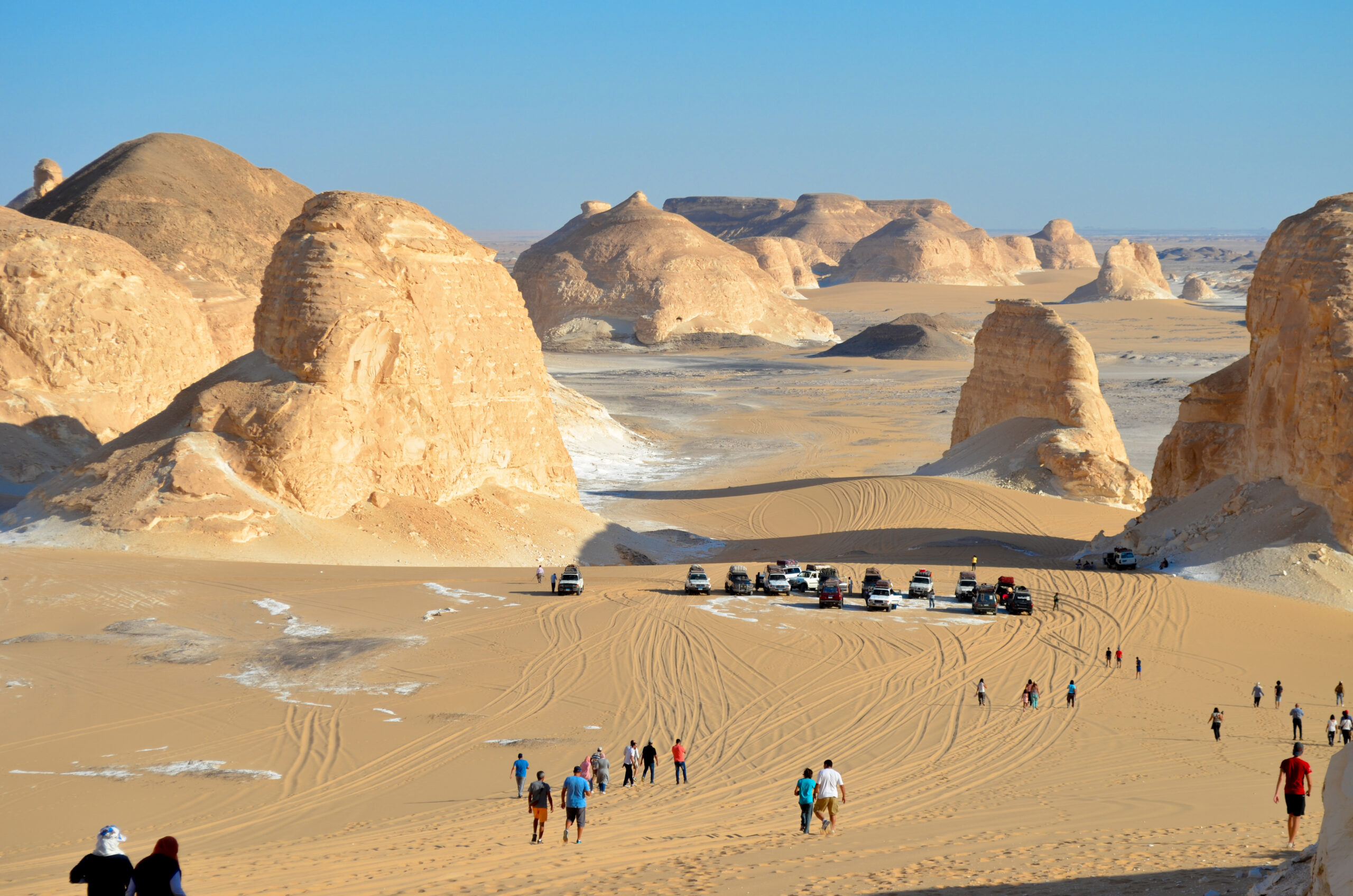
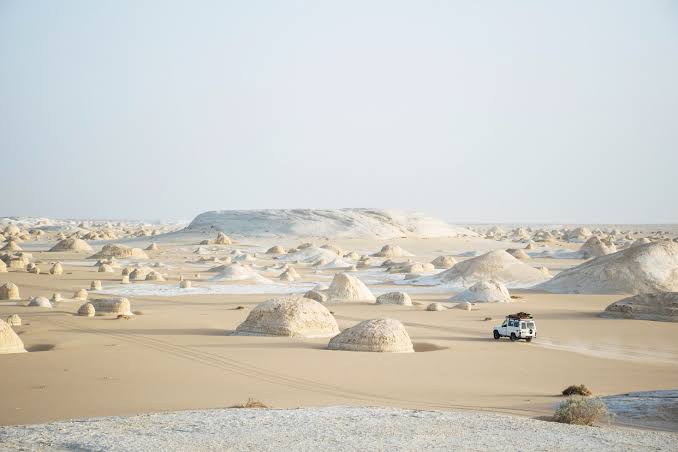
North of Farafra, the White Desert is a protected area of chalk and limestone rocks sculpted by wind into mushrooms and monuments. It glows white at noon and pink at sunset, and fennec foxes live in its sands.
Bahariya Oasis
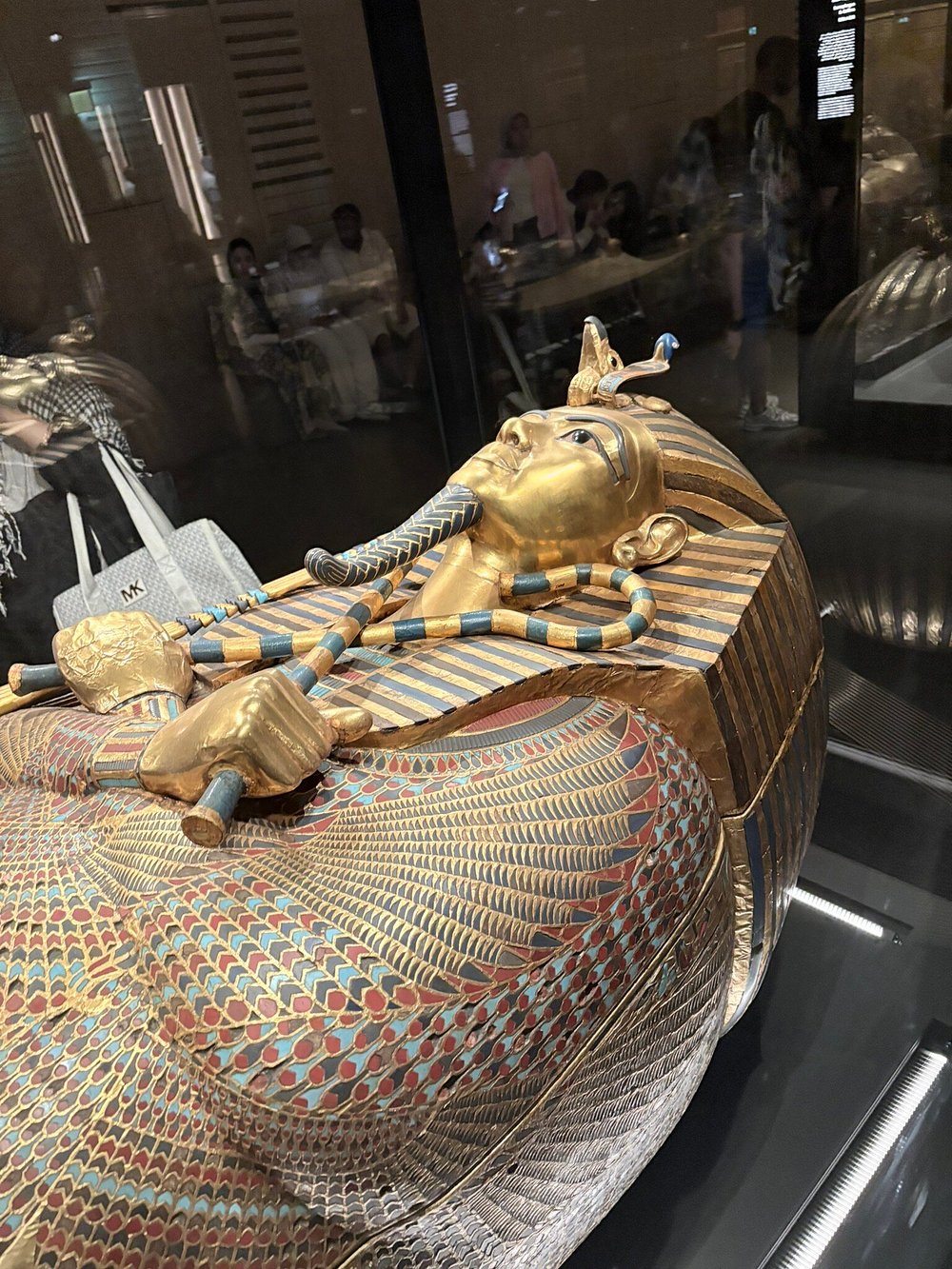
Bahariya, centred on Bawiti, was a Roman-era farming oasis. It holds the Valley of the Golden Mummies, found in 1996, with gilded burials from the Greco-Roman period, and natural hot springs surrounded by palms.
Black Desert and Crystal Mountain
The Black Desert is covered with dark volcanic rubble over conical hills. Crystal Mountain is a ridge of quartz crystal that sparkles in the sun.
Western Desert History: Caravans, Oases and the New Valley
For thousands of years, the oases of the Libyan Desert were the stepping stones between the Nile Valley and the interior of Africa. Caravans carried gold, ivory, grain and salt, and pilgrims and armies used the same wells. The Persians, Greeks, Romans and early Christians all left temples, forts and tombs here.
In 1959, Egypt created the New Valley Governorate to develop the oases of Kharga, Dakhla and Farafra, using water from deep wells and building roads. This tour follows the roads that linked them and shows how ancient and modern desert life meet.
White Desert Camping: What to Expect
Activities on This Tour
Accommodation and Meals
You stay one night in Luxor, one night in Kharga, two nights in Dakhla, one night in a desert camp, one night in Bahariya and one night in Cairo. Hotel category and camp style are confirmed in your written proposal according to your budget. Oasis hotels are simpler than those in major cities. Breakfast is included at hotels, and camp meals are provided as stated in your quotation.
Transport and Driving Times
Private air-conditioned vehicles handle the main roads, and 4x4 vehicles with experienced drivers cover the desert tracks. Approximate times are:
| Luxor to Kharga | Around 5 hours |
| Kharga to Dakhla | Around 3 hours |
| Dakhla to Farafra | Around 4 hours |
| Farafra to the White Desert | Around 1 hour |
| White Desert to Bahariya | Around 3 to 4 hours, with stops |
| Bahariya to Cairo | Around 5 hours |
Times are approximate and depend on traffic, permits and conditions on the tracks.
What Is Included and Not Included
Final inclusions are always confirmed in writing before payment.
Prices
The price depends on your dates, group size, hotel and camp level, and the vehicles required. Send us your plan and we will reply with a clear written quotation.
| Book on WhatsApp |
| [email protected] |
Booking and Cancellation
Share your dates, number of adults and children and preferred comfort level. We send a personalised itinerary, you approve the details, and you pay by Cash, PayPal, Binance, Visa or Mastercard. Cancellation and amendment terms depend on the hotels and camp selected and are stated in your written quotation. Call or message us on +20 100 925 5585.
Best Time to Go and What to Pack
The best time for a Western Desert tour is October to April, when days are warm and nights are cool or cold. Summer is extremely hot, and desert trips are best avoided from June to August. Pack layers, a warm jacket and hat for winter nights, modest clothing for oasis villages, sturdy shoes, a sun hat, sunscreen, a torch, wet wipes and plenty of water.
Frequently Asked Questions
Is this tour suitable for beginners?
How long are the drives?
Do I need permits?
Can I start in Cairo instead of Luxor?
Can I combine this with Luxor sightseeing or the Nile?
Related Tours and Guides
Browse all Egypt holiday packages, or read about Luxor.
Eight days across Kharga, Dakhla, Farafra and Bahariya with a private guide, 4x4 team and a night in the White Desert. Share your dates and we will prepare your personal proposal.
| Book on WhatsApp |
| Call +20 100 925 5585 |
| Email [email protected] |
Available daily for trip planning and booking support · Pay by Cash, PayPal, Binance, Visa or Mastercard