Berenike and Myos Hormos were the principal ancient Red Sea ports linking Roman Egypt with Arabia, East Africa and India. Ships used seasonal winds to cross the Indian Ocean, while caravans carried pepper, textiles, aromatics, gemstones and other valuable cargo through Egypt’s Eastern Desert to the Nile. Together, the ports formed a commercial bridge between Mediterranean markets and distant maritime communities.
This guide compares Berenike and Myos Hormos, explains the caravan road to Coptos, explores the evidence for Indo-Roman trade and shows why these archaeological sites are essential to the history of the Red Sea.
Berenike and Myos Hormos: key facts
- Berenike was founded during the Ptolemaic period and remained active under Roman and Late Antique rule.
- Myos Hormos is generally identified with Quseir al-Qadim on Egypt’s Red Sea coast.
- Both ports connected with Coptos, modern Qift, through fortified Eastern Desert roads.
- Ships traded with southern Arabia, the Horn of Africa and ports in western India.
- Finds include Indian pepper, textiles, ceramics, coins, beads, inscriptions and maritime equipment.
Where were the ancient Red Sea ports?
Berenike lay far south on Egypt’s Red Sea coast. Its position gave sailors access to routes toward the Bab el-Mandeb, East Africa, Arabia and the wider Indian Ocean. Myos Hormos was farther north and closer to the Nile Valley, shortening the desert crossing. Geography gave each port different advantages, and their relative importance changed over time.
Neither harbour operated in isolation. Cargo arriving from the sea had to be unloaded, recorded, stored and assigned to caravans. Desert stations supplied water and security, while Coptos connected the routes with the Nile. Mediterranean exports moved through the same system in reverse.
Berenike: from Ptolemaic foundation to Roman emporium
Berenike was founded in the third century BC, traditionally in connection with Ptolemy II. Early activity supported access to African resources, including elephants, but the settlement later developed into a major commercial port. Under Roman rule it participated in long-distance networks that extended across the Indian Ocean.
Excavations have identified harbour-related areas, temples, houses, workshops, storage spaces and cemeteries. The arid climate preserved textiles, food remains, wood, cordage and other organic materials that rarely survive at Mediterranean sites. These finds illuminate everyday life as well as elite trade.
What archaeologists found at Berenike
Among the most famous discoveries are quantities of black pepper imported from India. Other finds include Indian and Mediterranean ceramics, glass, beads, textiles, coins and inscriptions in multiple languages. The material reflects a diverse population of merchants, sailors, soldiers, craftspeople and travellers.
Berenike was therefore more than a warehouse beside the sea. It was a living settlement where ships were maintained, cargo was stored, food was prepared and different religious communities built places of worship.
Myos Hormos and Quseir al-Qadim
Myos Hormos appears in Greco-Roman geographical and commercial writing as a major Egyptian harbour. Most scholars identify it with Quseir al-Qadim, north of modern Quseir. Its shorter connection with the Nile Valley made it attractive for high-value cargo moving through Coptos.
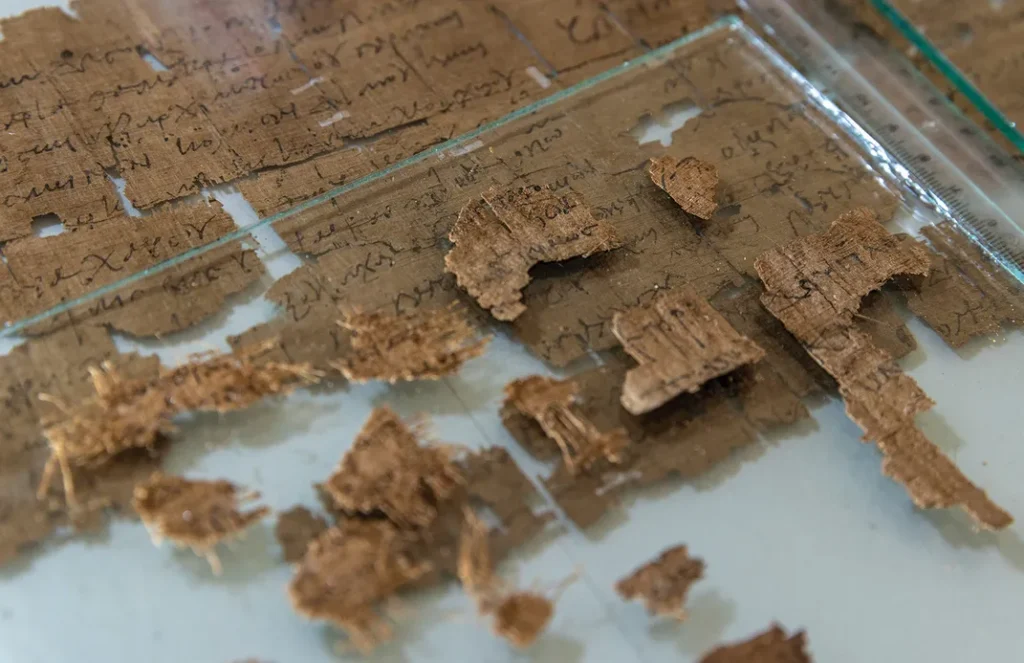
Excavations at Quseir al-Qadim produced ceramics, textiles, written material and maritime objects demonstrating links across the Red Sea and Indian Ocean. Documents and ordinary finds show how merchants, officials, shipowners and transport workers cooperated within a regulated but adaptable trading environment.
Were the ports rivals?
The balance between Berenike and Myos Hormos shifted with shipping conditions, politics, desert security and the demands of different trading seasons. It is more accurate to view them as complementary gateways within the same Egyptian Red Sea system than as permanent rivals.
Monsoon winds and Indo-Roman trade
Indian Ocean navigation depended on seasonal wind patterns. By timing departure and return correctly, sailors could make long crossings more efficiently. The first-century Periplus of the Erythraean Sea describes routes, ports and commodities used by merchants in this world.
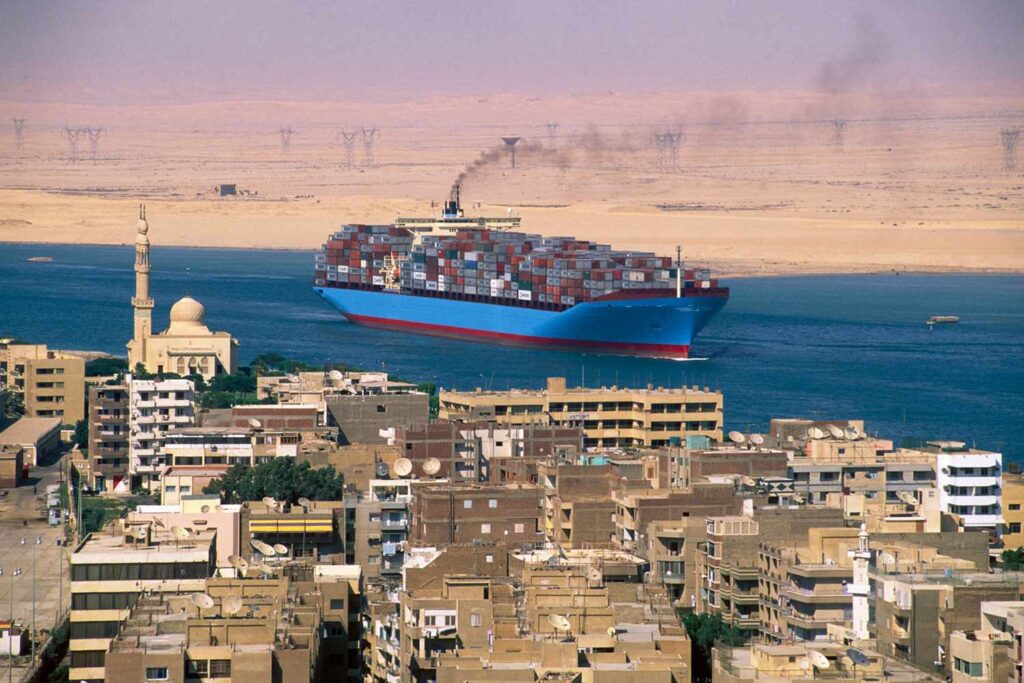
Ships from Egypt sailed down the Red Sea, passed the Bab el-Mandeb and continued toward Arabian and Indian destinations. Reefs, limited freshwater and changing winds required experienced crews. The rewards were high because spices, aromatics, gemstones and fine textiles combined great value with relatively manageable cargo weight.
What goods moved through Berenike and Myos Hormos?
| Imports reaching Egypt | Exports from Egypt and the Mediterranean |
|---|---|
| Black pepper and spices | Wine and olive oil |
| Incense and aromatics | Glassware and metal goods |
| Cotton and finished textiles | Mediterranean ceramics |
| Gemstones, beads and ivory | Coin, bullion and manufactured products |
| Products from Arabia and East Africa | Egyptian and Roman consumer goods |
The mix changed by period and destination. Written sources emphasise luxury cargo, while excavated containers, food, clothing and ship equipment reveal the ordinary material behind international commerce.
The caravan road to Coptos
Sea trade succeeded because the desert crossing was organised. Caravans travelled between the coast and Coptos on routes punctuated by wells and fortified stations called praesidia. These stations offered water, accommodation, security and communication. Officials also monitored movement and customs revenue.
At the Nile, cargo transferred to river craft moving toward Alexandria and Mediterranean distribution. The ports were therefore endpoints of a larger transport corridor combining ocean sailing, desert caravans and Nile navigation.
Languages, communities and cultural exchange
Inscriptions and objects reveal communication in several languages and contact among people from different regions. Merchants and sailors did not simply carry products; they also moved religious ideas, artistic forms, technologies and habits. The ports were places of negotiation where local Egyptian knowledge met the wider Indian Ocean world.
Why the archaeology matters
Berenike and Myos Hormos challenge the idea that the Mediterranean and Indian Ocean were separate economic worlds. Their success depended on global connections and local expertise at the same time: sailors had to understand monsoon winds, guides knew the desert, and administrators kept supplies and taxes moving.
Can travellers visit the sites?
Berenike and Quseir al-Qadim are protected archaeological locations rather than conventional resort attractions. Access, excavation seasons, permissions and security rules can change. Visitors should never enter restricted areas independently or remove any object. A specialist visit must be confirmed locally and respect active research and conservation.
Frequently asked questions
What was Berenike famous for?
Berenike was a Ptolemaic and Roman port linking Egypt with Arabia, East Africa and India. Archaeologists have found imported pepper and other evidence of long-distance maritime trade.
Where was Myos Hormos?
Most researchers identify Myos Hormos with Quseir al-Qadim on Egypt’s Red Sea coast.
How did cargo reach Alexandria?
Goods crossed the Eastern Desert by caravan to Coptos, travelled down the Nile and then entered Mediterranean networks through Alexandria.
Continue exploring Egypt’s Eastern Desert
Read about the Roman quarries of Mons Porphyrites and Mons Claudianus, explore Hatshepsut’s voyage to Punt, or request a private historical itinerary.
References and further reading
- OpenEdition: The port of Myos Hormos and its relations to Indo-Roman trade
- British Museum Studies: From the Roman Red Sea to beyond the Empire
- Honor Frost Foundation: Berenike excavations at a Red Sea maritime hub