
The 7-day Coptic monasteries holiday in Egypt follows the footsteps of the Desert Fathers, the hermits who founded Christian monasticism in the Egyptian wilderness. Starting and ending in Cairo, the route runs Cairo → Wadi El Natrun → Saint Anthony → Saint Paul → Cairo, linking the Nitrian Desert monasteries with the two oldest desert monasteries beside the Red Sea Mountains.
This private Coptic Egypt tour is designed for pilgrims, history lovers and curious travellers who want to understand a living faith as well as ancient stones. A private guide explains the history and customs, a private vehicle handles the long desert drives, and the plan can be adjusted to your dates and pace before booking.
Tour Overview
Christianity reached Egypt in the first century, and by the fourth century the desert had become a school of prayer, solitude and community life. This Egypt monasteries tour visits the places where that movement began, from the quiet salt valley of Wadi El Natrun to the cliff-side monasteries of Saint Anthony and Saint Paul, with Coptic Cairo as the starting point.
| Duration | 7 days / 6 nights |
| Start and end | Arrival in Cairo, departure from Cairo |
| Route | Cairo → Wadi El Natrun → Saint Anthony → Saint Paul → Cairo |
| Tour type | Private guide and vehicle, tailor-made planning |
| Main sites | Coptic Cairo, Saint Bishoy, Syrian Monastery, Monastery of Saint Anthony, Monastery of Saint Paul |
| Accommodation | Cairo hotels and one night near the Red Sea coast |
| Price | Price on Request, confirmed in a written quotation |
Tour Highlights
Day-by-Day Itinerary: 7-Day Coptic Monasteries Holiday in Egypt
This is the recommended plan. Monasteries set their own visiting hours and may close for retreats, fasts or feast days, so your guide confirms access before each visit.
Day 1: Arrival in Cairo
Your representative meets you at Cairo International Airport and drives you to your hotel. After resting, you meet your guide for a briefing on the route and on monastery etiquette.
- Private airport meet and assist
- Hotel check-in and trip briefing
- Evening at leisure
Day 2: Coptic Cairo and the Cave Church
Explore Coptic Cairo, the old Christian quarter built around the Roman fortress of Babylon, then visit the Cave Church of Saint Simon carved into the Mokattam cliff.
- Hanging Church and Church of Saint Sergius and Bacchus (Abu Serga)
- Coptic Museum with its icons, textiles and manuscripts
- Church of Saint Barbara and the narrow lanes of the old quarter
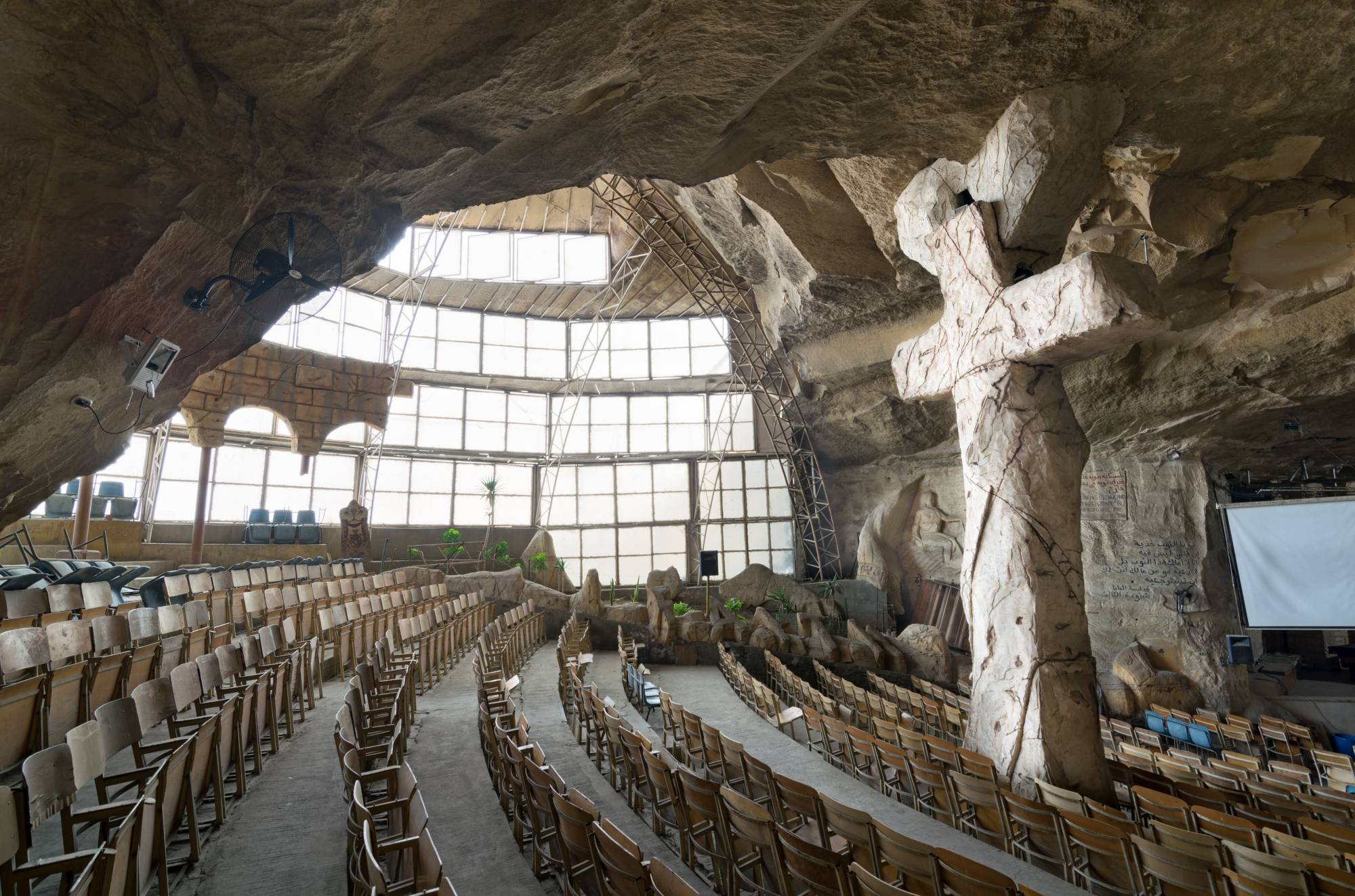
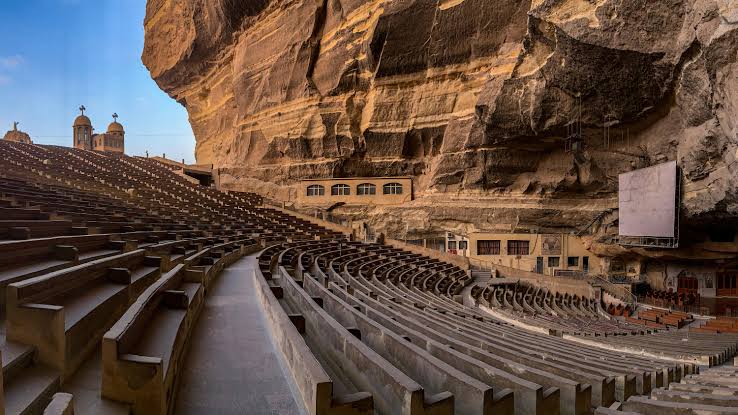
- Cave Church of Saint Simon in Mokattam
Day 3: Wadi El Natrun Monasteries
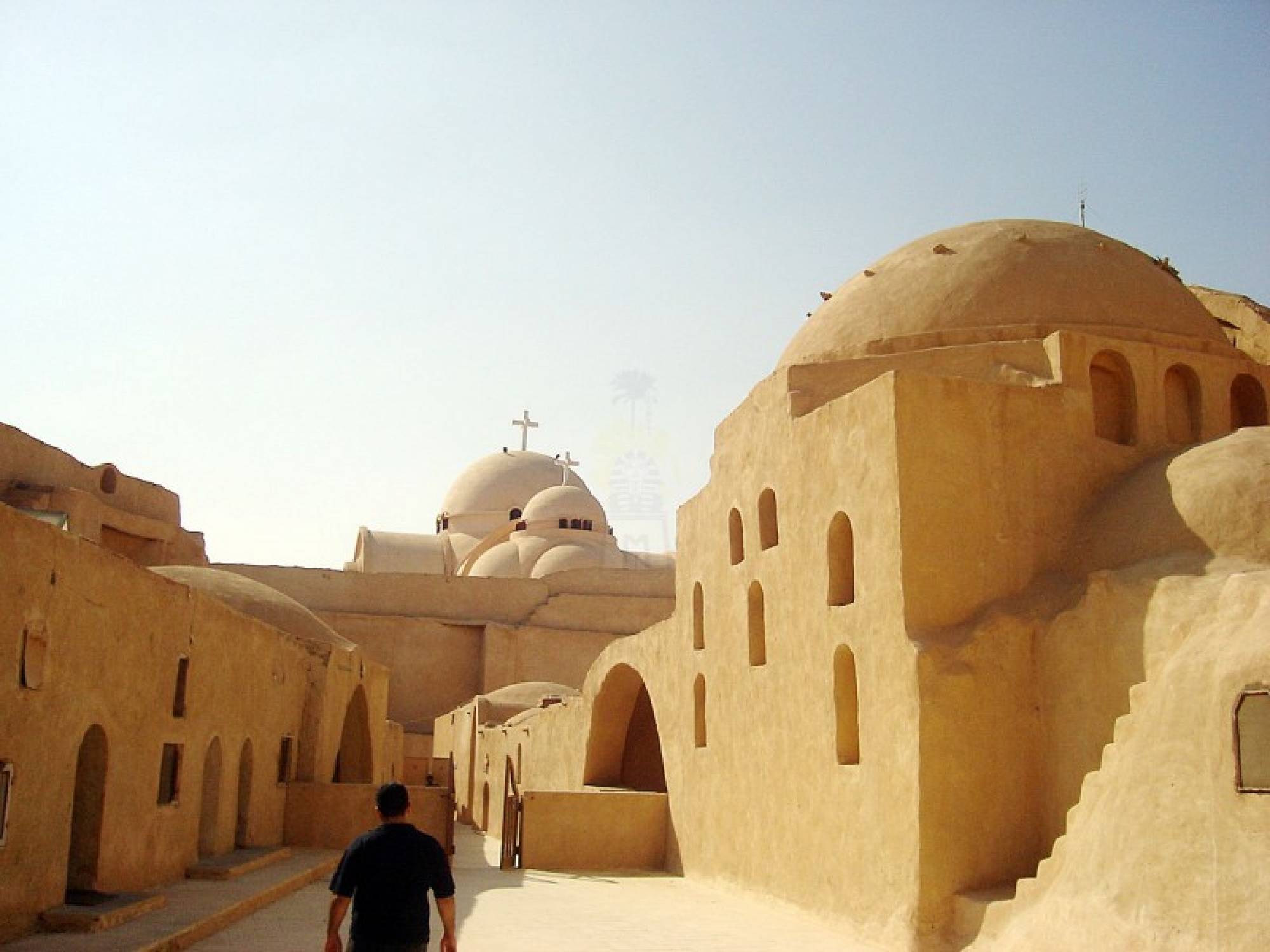
Drive northwest to Wadi El Natrun, where hermits settled in the fourth century. Visit the monasteries open to visitors, including Saint Bishoy and the Syrian Monastery, then return to Cairo.
- Monastery of Saint Bishoy, with its church and keep
- Syrian Monastery (Deir al-Surian) and its early wall paintings
- Monastery of Saint Macarius or Baramous when open to visitors
- Tea and a short talk with a monk where possible
Day 4: Cairo to Saint Anthony Monastery
Cross the desert toward the Red Sea Mountains and visit the Monastery of Saint Anthony, founded in memory of the father of monasticism. Overnight on the Red Sea coast near Zafarana or Ain Sokhna.
- Scenic desert drive from Cairo
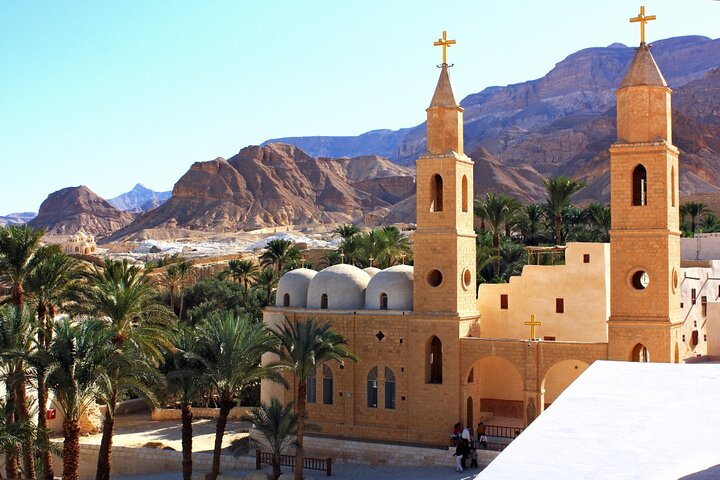
- Church of Saint Anthony and its medieval wall paintings
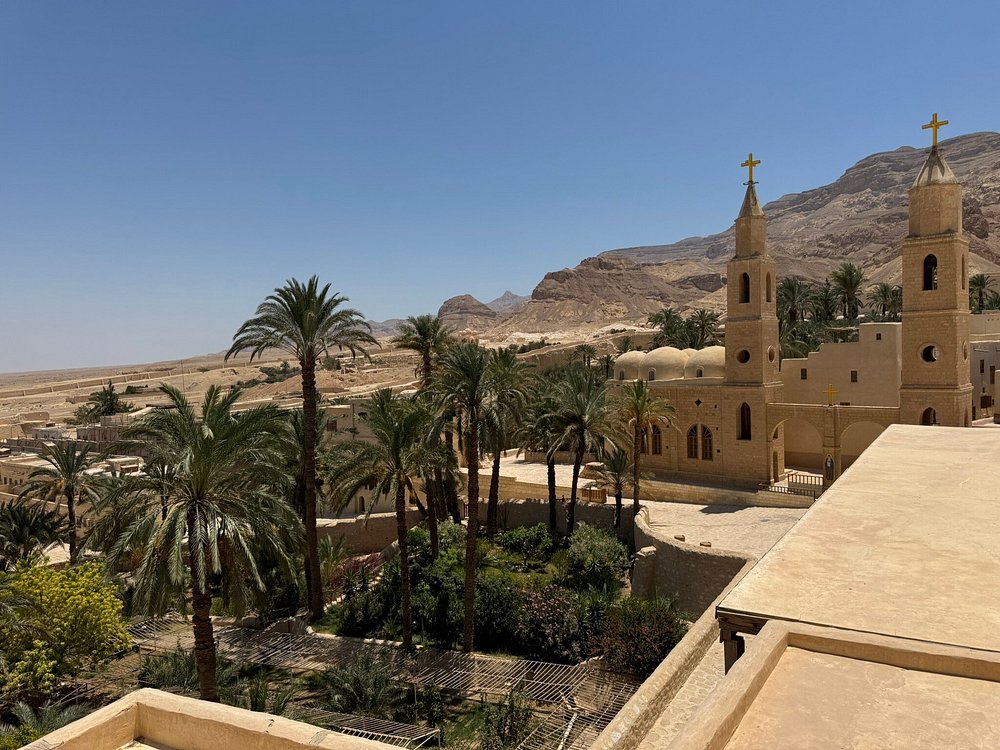
- Monastery spring, gardens, bakery and library tour
- Overnight at a hotel near the Red Sea coast
Day 5: Saint Anthony Cave, Saint Paul and Return to Cairo
Optionally climb to the Cave of Saint Anthony above the monastery, then visit the Monastery of Saint Paul, tucked in a canyon, before the drive back to Cairo.
- Optional climb to the cave of Saint Anthony
- Cave church of Saint Paul the first hermit
- Panoramic views across the Eastern Desert
- Evening return to Cairo
Day 6: Giza Pyramids and Grand Egyptian Museum
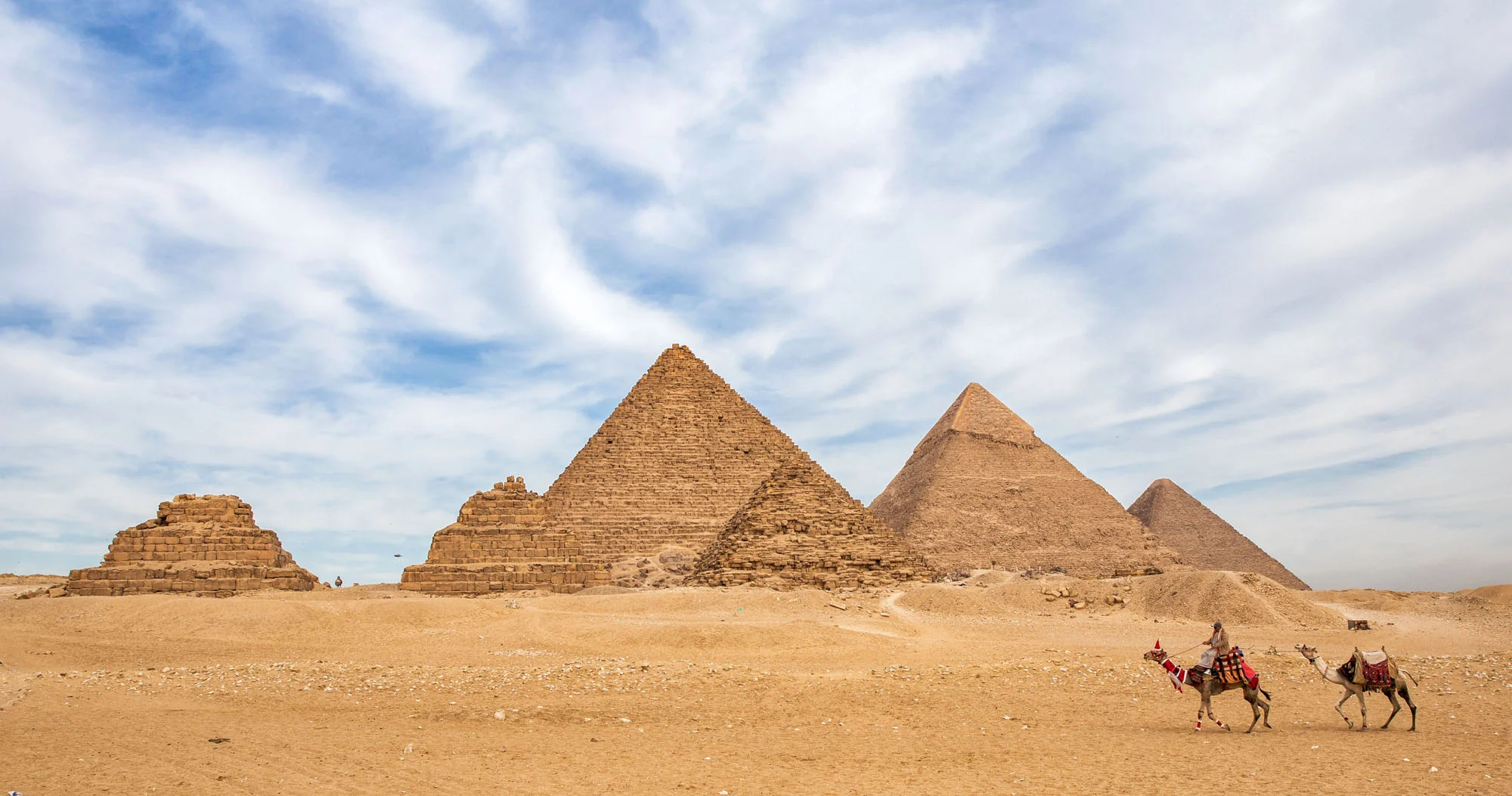
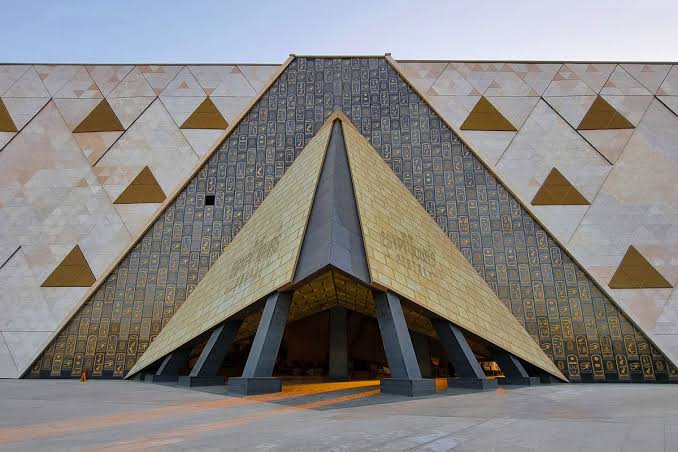
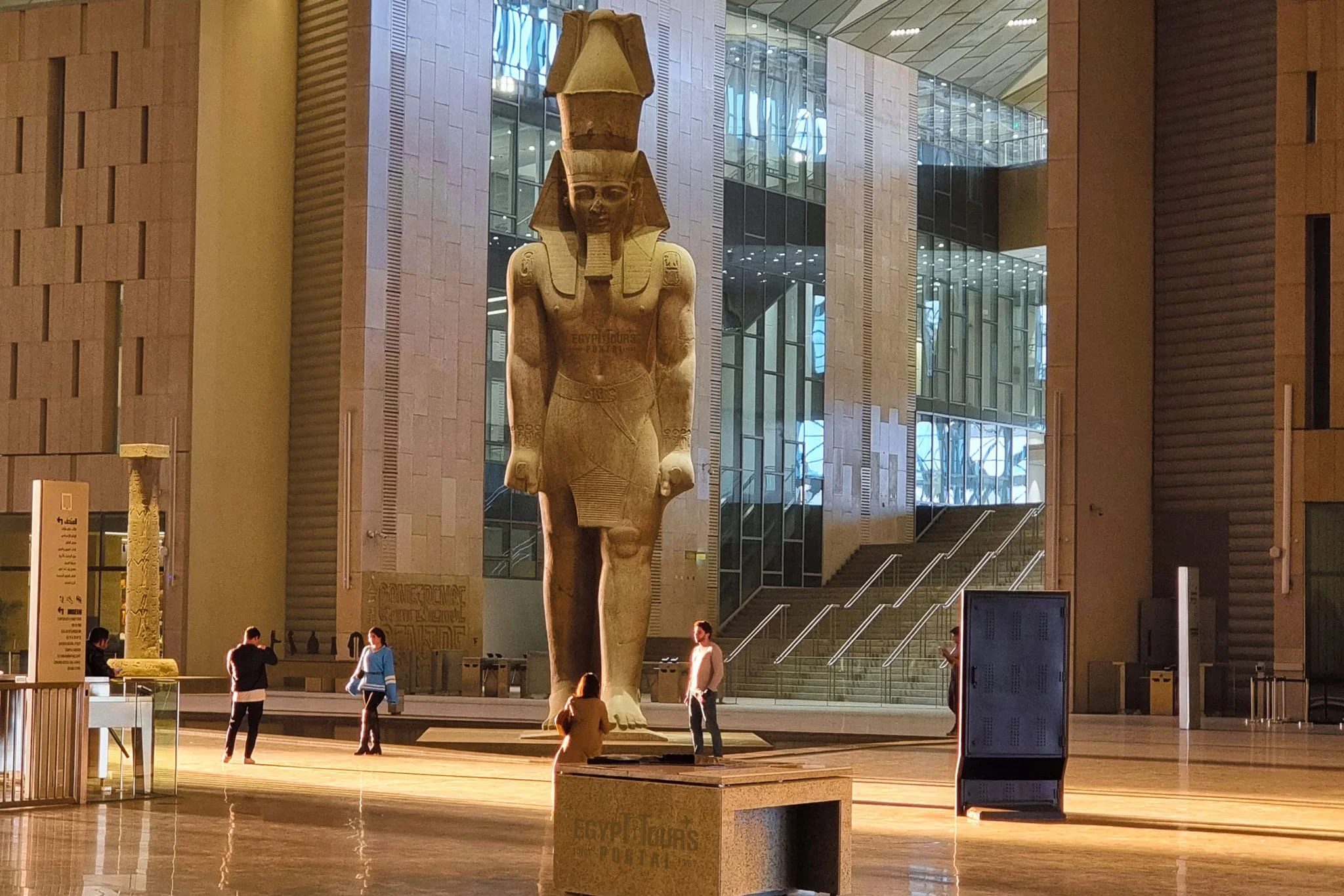
Close the journey with Egypt's ancient heritage. Visit the Giza Plateau and the Grand Egyptian Museum, where you can compare the pharaonic world with the early Christian one you have explored.
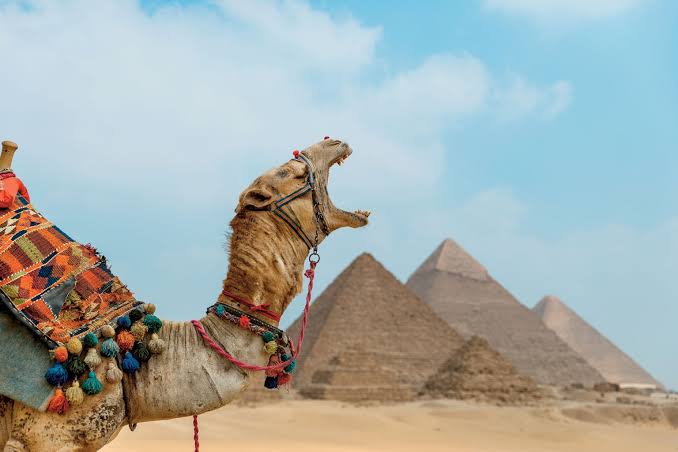
- Great Pyramid, Pyramid of Khafre and Sphinx
- Grand Egyptian Museum
- Optional farewell dinner (own expense)
Day 7: Departure from Cairo
After breakfast, a private transfer takes you to Cairo International Airport for your onward flight, or you can extend your stay.
- Private airport transfer
- Optional extension to Alexandria, Luxor or the Red Sea



Places You Will Visit and Their History
Each monastery on this Coptic pilgrimage in Egypt carries a different part of the story. Here is the background to each stop.
Coptic Cairo
Coptic Cairo grew inside the walls of the Roman fortress of Babylon. Its churches include the Hanging Church, built over a gate of the fortress and dedicated to the Virgin Mary, and Abu Serga, built over a crypt that tradition links with the Holy Family. The Coptic Museum, founded in 1910, holds one of the world's finest collections of Coptic art.
Cave Church of Saint Simon
Carved into the Mokattam cliff above the community of the Zabbaleen, the Cave Church complex is a cluster of rock-cut sanctuaries with seating for thousands, decorated with large carved biblical scenes. It is a striking example of modern Coptic devotion.
Wadi El Natrun
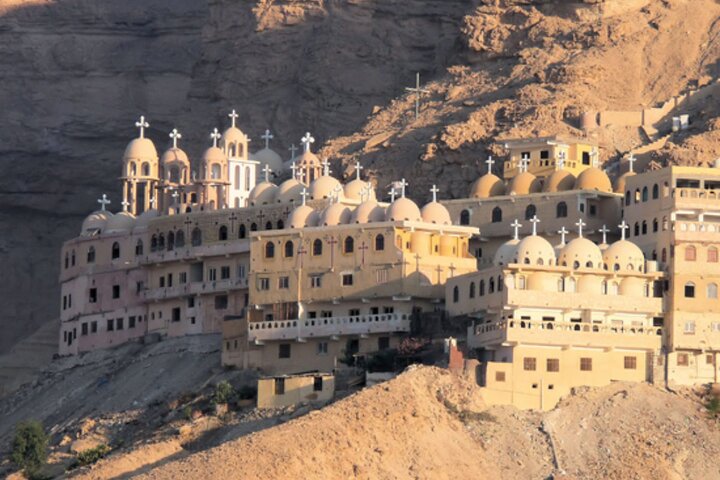
Wadi El Natrun takes its name from natron, the salt used by ancient Egyptians for mummification. From the fourth century, monks settled here in the desert of Scetis. Four monasteries survive today, Saint Bishoy, the Syrian Monastery, Saint Macarius and Baramous, and several remain active centres of prayer and farming.
Monastery of Saint Bishoy
Named for Saint Bishoy, a fourth-century disciple of Saint Macarius, this monastery is known for its fortified keep, its churches and its wall paintings. It is also the burial place of Pope Shenouda III, who led the Coptic Church for four decades.
Syrian Monastery
Deir al-Surian was acquired by Syrian monks in the early medieval period and became a centre for manuscripts. Its Church of the Virgin Mary preserves early wall paintings and carved wooden doors, and its library holds rare Syriac texts.
Saint Macarius and Baramous
Saint Macarius the Great founded the monastery that bears his name around 360 CE, and it shaped Coptic monastic life. Baramous is tied by tradition to Maximus and Domitius, the Roman saints. Access to these two monasteries depends on retreats and seasons.
Monastery of Saint Anthony
Saint Anthony, who lived around 251 to 356 CE, is regarded as the father of monasticism. His disciples built a community at the foot of the Red Sea Mountains, and the monastery is claimed to be the oldest active Christian monastery in the world. Its Church of Saint Anthony preserves medieval wall paintings, and the spring that waters its gardens has served monks for centuries.
Cave of Saint Anthony
High above the monastery, a cave in the cliff is where Saint Anthony is said to have lived his last years in solitude. The ascent follows a stepped path of more than a thousand steps and rewards climbers with a view across the desert and towards the sea.
Monastery of Saint Paul
Saint Paul of Thebes, regarded as the first Christian hermit, fled persecution around the third century and lived in a desert cave. The monastery grew around his cave church, which is carved into the rock and decorated with ancient paintings. Tradition says Saint Anthony visited and buried him.
Giza and the Grand Egyptian Museum
The Giza pyramids were built around 2600 to 2500 BCE. The Grand Egyptian Museum displays Egyptian history from prehistory to the Roman era, including the full Tutankhamun collection, and offers a chance to place Coptic Egypt within the country's long story.
Understanding Coptic Monasticism
The word Copt comes from the Greek name for Egypt, and the Coptic Orthodox Church traces its roots to Saint Mark, who is believed to have preached in Alexandria in the first century. The Coptic language, the last stage of ancient Egyptian written in Greek letters, is still used in the liturgy.
Christian monasticism began in Egypt when Anthony withdrew to the desert, followed by Paul, Macarius, Pachomius and others. They created two forms of monastic life, solitary hermits and communities living by a rule, and their writings shaped the monastic traditions of both East and West. Visiting these places lets you see how far that tradition has endured.
Visiting Monasteries: Etiquette and Access
Activities on This Holiday
Accommodation and Meals
You stay five nights in Cairo and one night in a hotel near the Red Sea coast around Zafarana or Ain Sokhna. Hotel category is confirmed in your written proposal according to your budget and dates. Breakfast is included at hotels, and other meals follow your quotation. During fasting periods, monasteries and restaurants may serve vegetarian dishes.
Transport
All airport transfers and sightseeing drives use a private air-conditioned vehicle. The longest drives are Cairo to Wadi El Natrun and Cairo to Saint Anthony, both through desert roads. Your guide plans rest stops, and your quotation confirms the vehicle type for your group size.
What Is Included and Not Included
Final inclusions are always confirmed in writing before payment.
Prices
The price depends on your dates, hotel category, number of travellers and group size. Send us your plan and we will reply with a clear written quotation.
| Book on WhatsApp |
| [email protected] |
Booking and Cancellation
Share your dates, number of adults and children and preferred comfort level. We send a personalised itinerary, you approve the details, and you pay by Cash, PayPal, Binance, Visa or Mastercard. Cancellation and amendment terms depend on the hotels selected and are stated in your written quotation. Call or message us on +20 100 925 5585.
Best Time to Go and What to Pack
The best time for a Coptic monasteries tour in Egypt is October to April, when the desert is comfortable. Coptic feast days such as Christmas on 7 January and Easter add atmosphere but can limit access, so plan with us. Pack modest cotton clothing, a light jacket for cooler desert evenings, sturdy walking shoes, a sun hat, sunscreen and your passport.
Frequently Asked Questions
Are the monasteries open to visitors?
Can women visit the monasteries?
Is the Cave of Saint Anthony climb difficult?
Can I stay overnight in a monastery?
Can I combine this tour with other parts of Egypt?
Related Tours and Guides
Browse all Egypt holiday packages, or read about Cairo and Giza.
Seven days from Cairo to Wadi El Natrun, Saint Anthony and Saint Paul with a private guide. Share your dates and we will prepare your personal proposal.
| Book on WhatsApp |
| Call +20 100 925 5585 |
| Email [email protected] |
Available daily for trip planning and booking support · Pay by Cash, PayPal, Binance, Visa or Mastercard