

The 9-day Egypt birdwatching holiday from Cairo to Aswan follows one of the world's great bird migration routes, linking desert lakes, a lush oasis and the Nile Valley in a single journey. The route runs Cairo → Wadi El Natrun → Fayoum → Luxor → Aswan, combining wetlands full of waders, flamingos and pelicans with the farmland and river islands of Upper Egypt, and with the temples that make Egypt unique.
This private Egypt birding tour is for keen birders and nature-loving travellers who also want to see the Pharaonic monuments. Early starts put you in the field at the best hours, a private vehicle covers the roads, and the plan can be adjusted to your target species, season and pace before booking.
Tour Overview
Egypt sits at a crossroads between Europe, Asia and Africa, and every spring and autumn millions of birds pass through on their way between breeding and wintering grounds. This birdwatching tour in Egypt visits four contrasting habitats, from salt lakes to the Nile, and adds the Giza-to-Aswan cultural sites that give the trip its character.
| Duration | 9 days / 8 nights |
| Start and end | Arrival in Cairo, departure from Aswan |
| Route | Cairo → Wadi El Natrun → Fayoum → Luxor → Aswan |
| Tour type | Private guide and vehicle, tailor-made planning |
| Habitats | Salt lakes, oasis wetlands, Nile Valley farmland and river islands |
| Accommodation | 1 night Cairo, 2 nights Fayoum, 2 nights Luxor, 3 nights Aswan |
| Price | Price on Request, confirmed in a written quotation |
Tour Highlights
Day-by-Day Itinerary: 9-Day Egypt Birdwatching Holiday
This is the recommended plan. Bird activity, season and weather affect timing, so your guide confirms each day's schedule and adjusts the sites to what is being seen.
Day 1: Arrival in Cairo
Your representative meets you at Cairo International Airport and drives you to your hotel. Meet your guide in the evening to go through target species and the route.
- Private airport meet and assist
- Hotel check-in and trip briefing
- Evening at leisure
Day 2: Wadi El Natrun and Drive to Fayoum
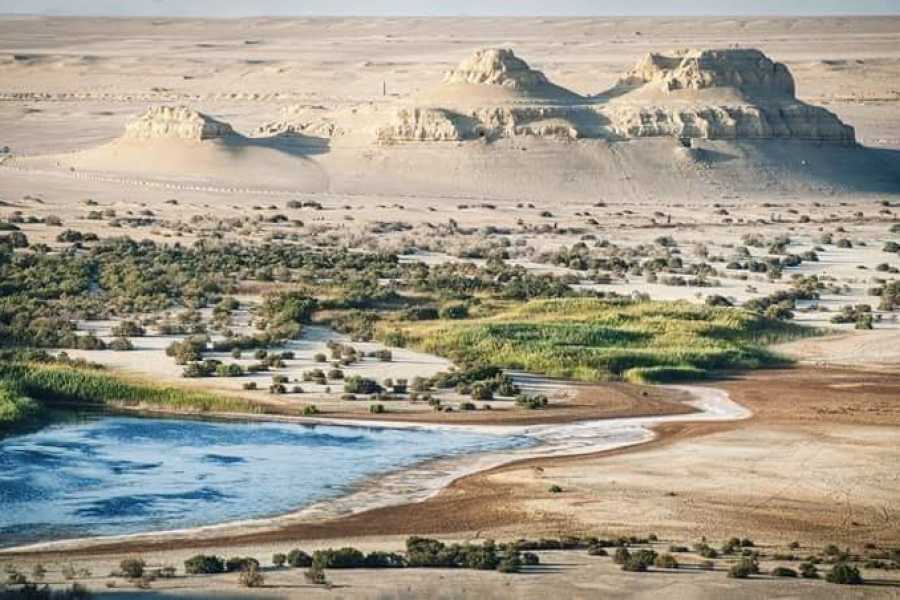
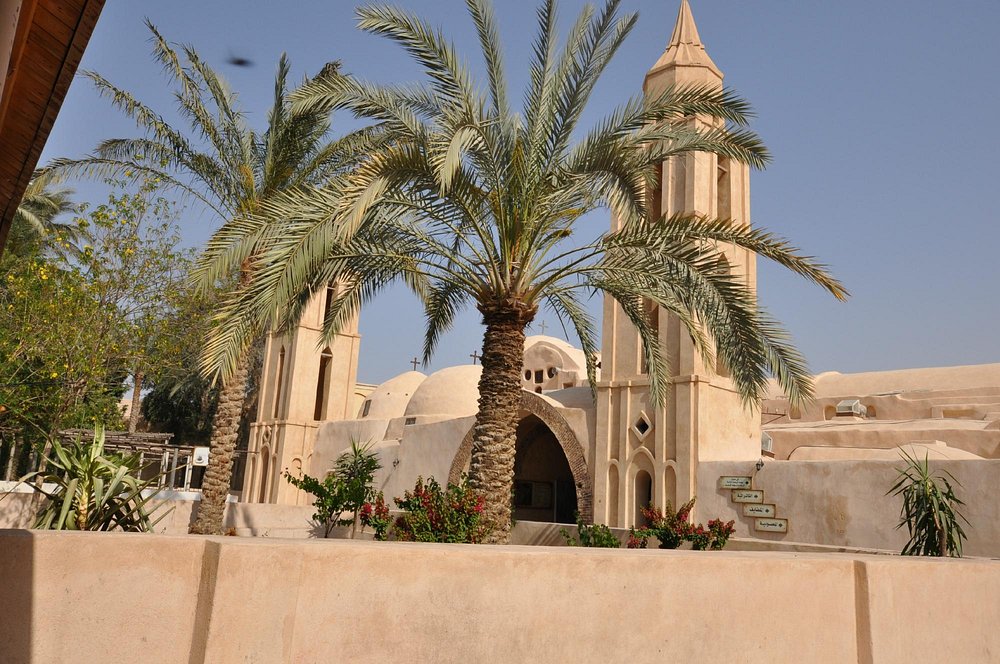
Leave early for Wadi El Natrun to bird its salt lakes and pools, then drive to the Fayoum oasis for an evening at Lake Qarun.
- Salt lakes and pools at Wadi El Natrun
- Waders, ducks and raptors depending on season
- Drive to Fayoum
- Sunset birding on Lake Qarun
Day 3: Fayoum Wetlands
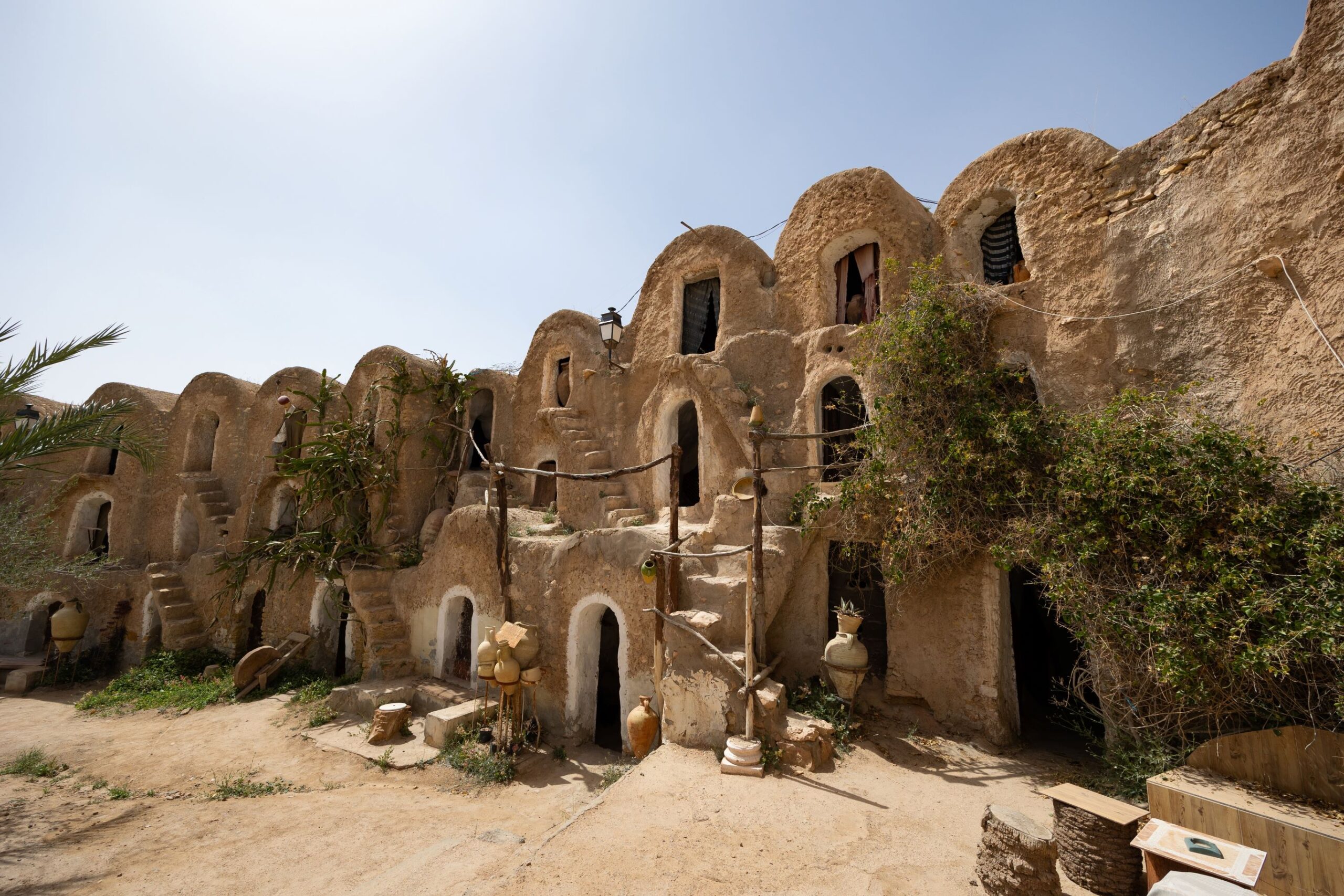
Spend a full day birding the Fayoum, with Lake Qarun, Wadi El Rayan and reed-bed edges, plus a visit to Tunis Village.
- Dawn at Lake Qarun for pelicans and flamingos
- Wadi El Rayan lakes and waterfall
- Reed beds and farmland edges
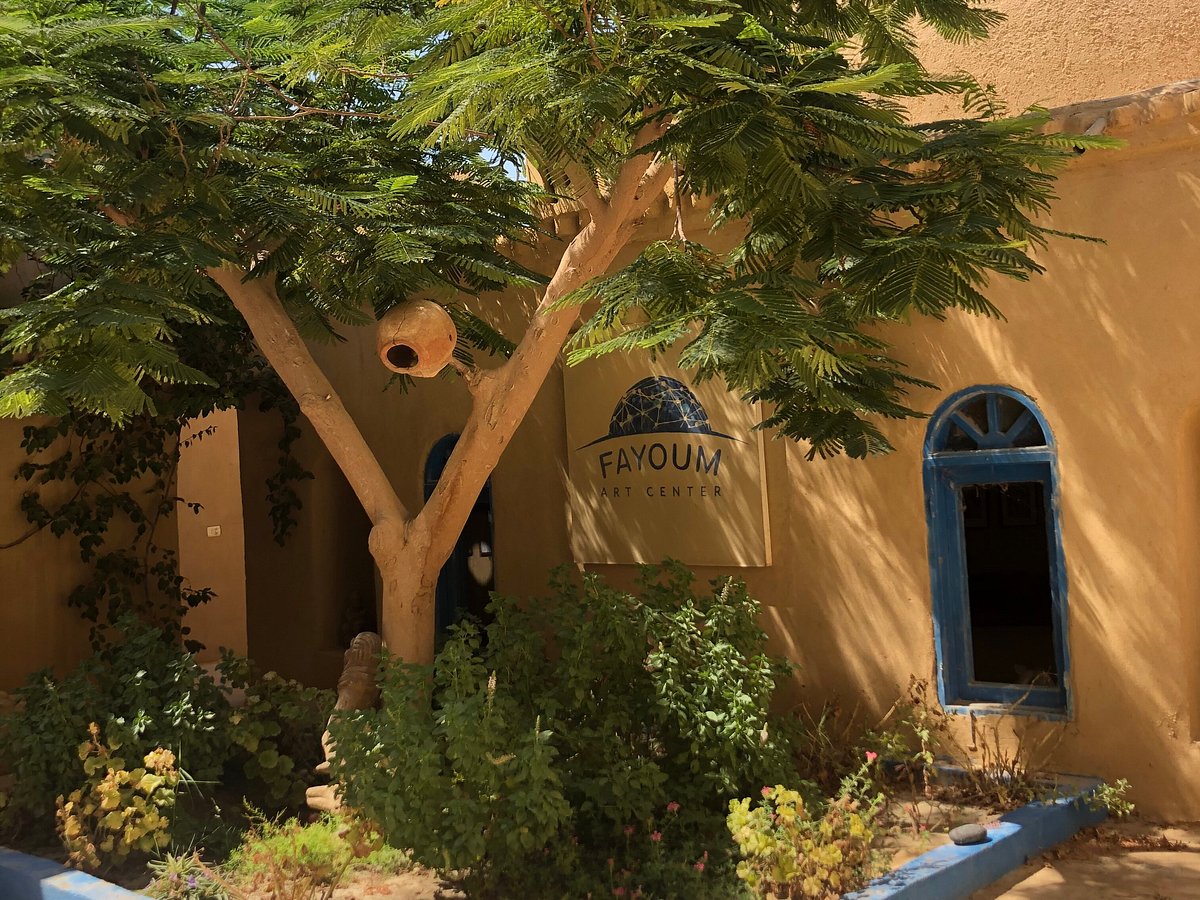
- Pottery stop at Tunis Village
Day 4: Fayoum to Cairo and Flight to Luxor
Drive back to Cairo for the domestic flight to Luxor. In the late afternoon, bird along the Nile corniche and nearby farmland.
- Morning birding at Fayoum if time allows
- Drive to Cairo airport and domestic flight
- Evening Nile corniche birding in Luxor
Day 5: Luxor West Bank and Karnak
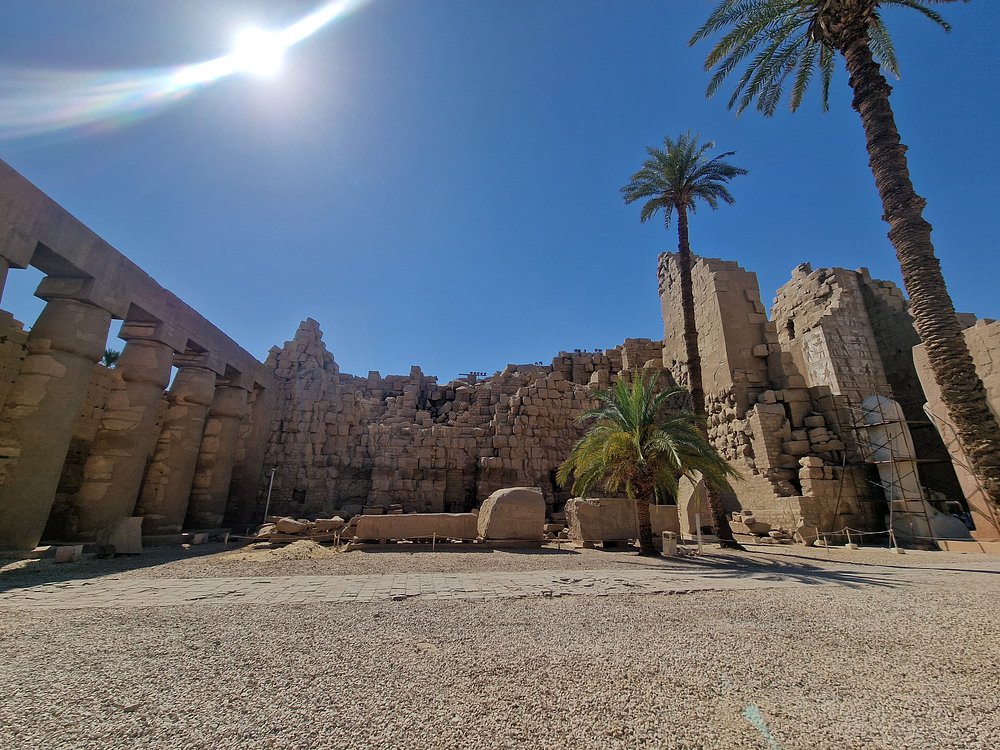
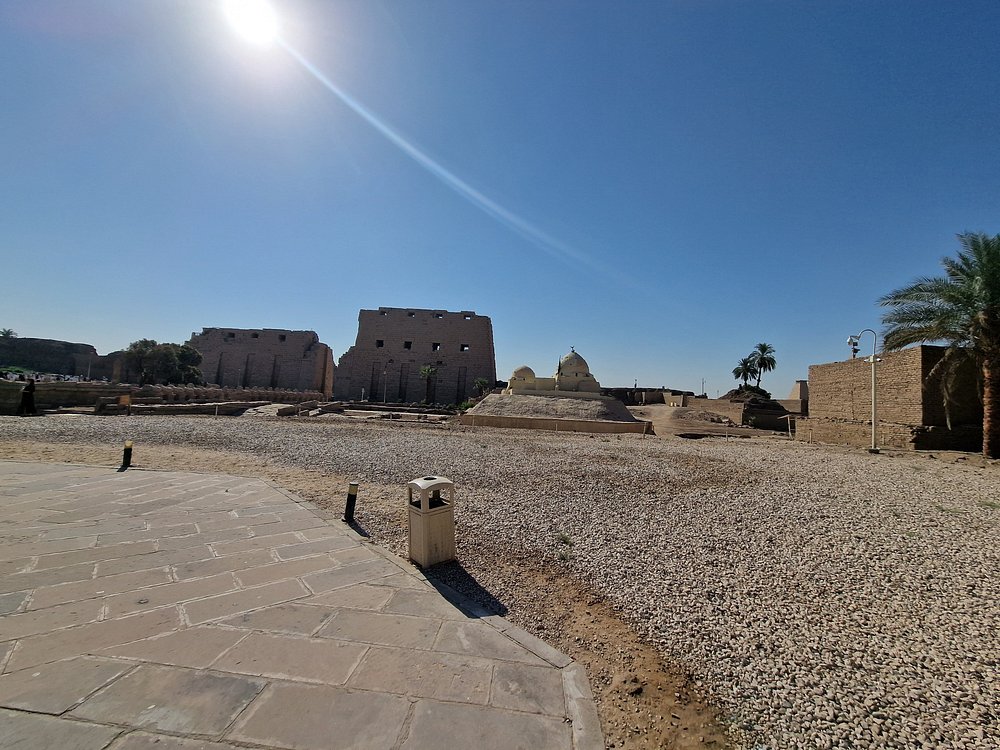
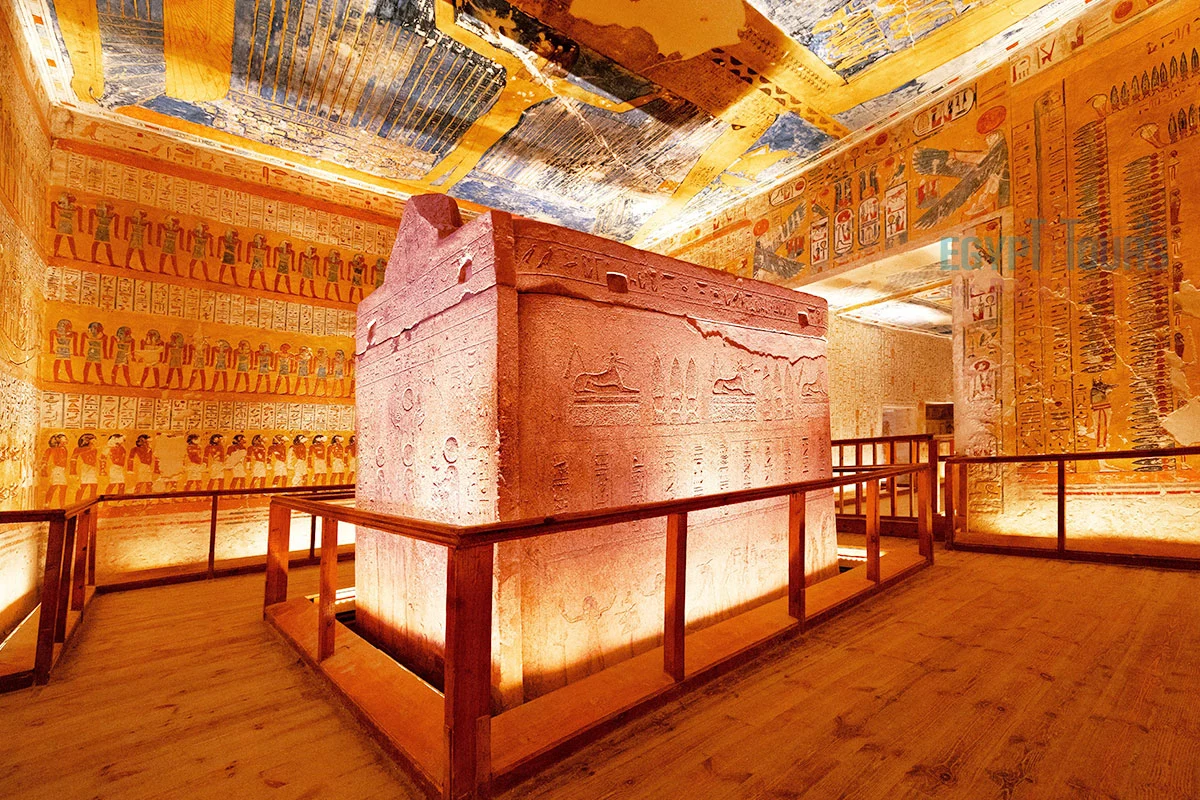
Start at dawn on the West Bank among fields and desert edge, then visit the Valley of the Kings and the Temple of Hatshepsut. In the afternoon, tour Karnak.
- Dawn birding in the West Bank farmland
- Valley of the Kings and Temple of Hatshepsut
- Karnak Temple in the late afternoon
- Raptors over the desert cliffs
Day 6: Luxor to Aswan via Edfu
Drive south along the Nile to Aswan, with stops at Edfu and optionally Kom Ombo. Stop for birds along the river and sugar-cane fields.
- Drive Luxor to Aswan, around four hours with stops
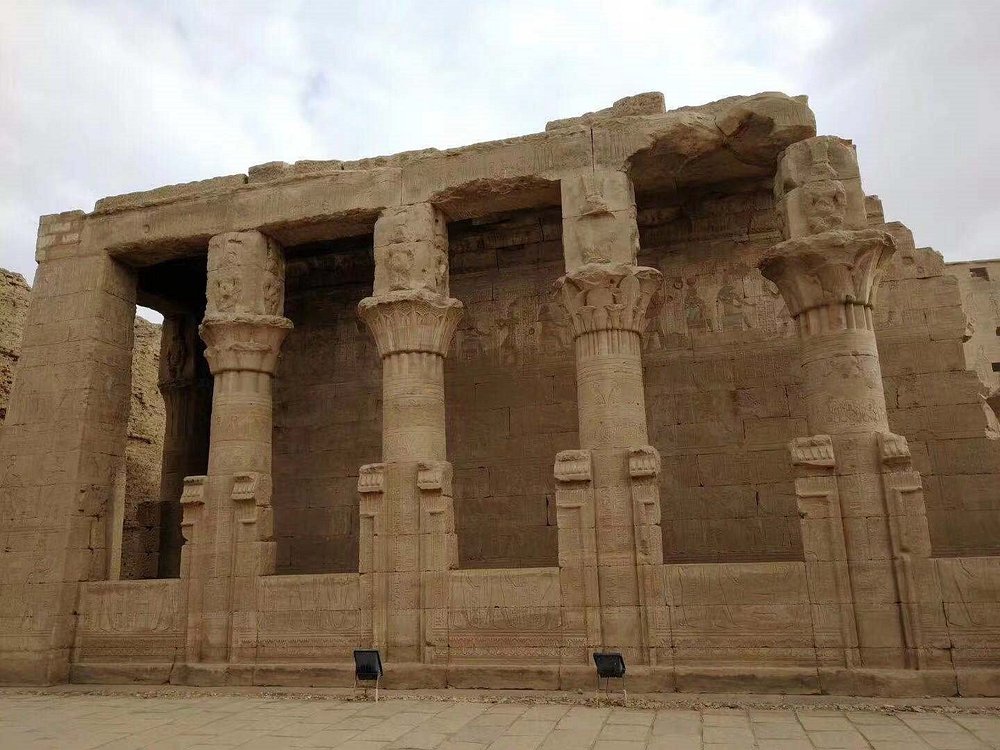
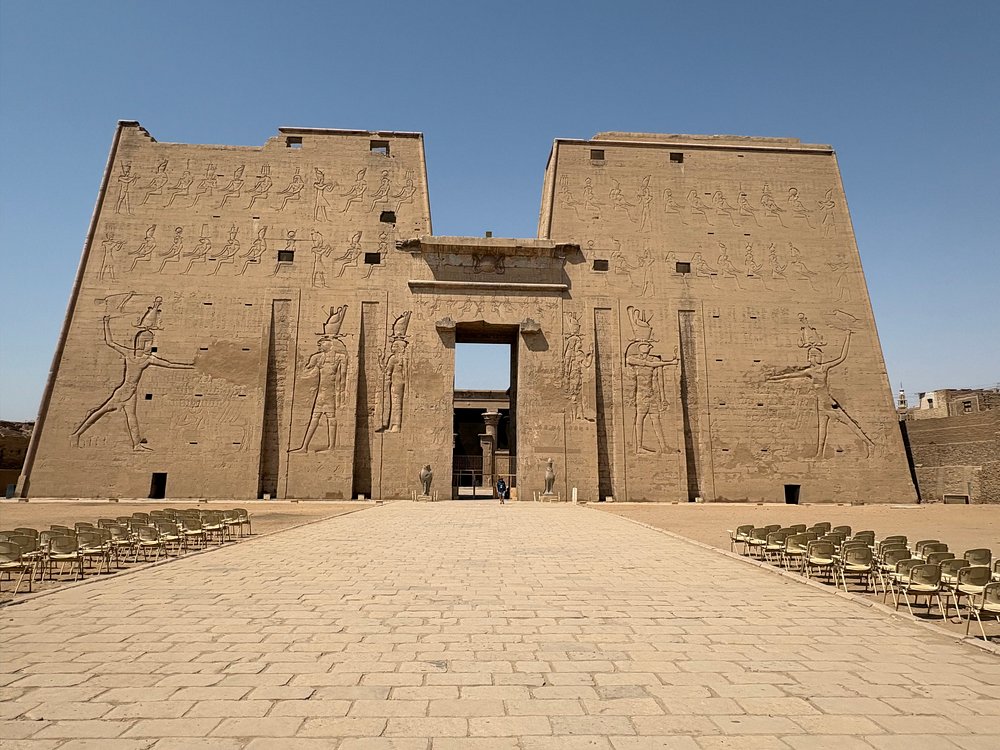
- Temple of Horus at Edfu
- Roadside and river birding
- Evening felucca ride around Nile islands
Day 7: Aswan Botanical Garden and Nile Islands
Take a small boat to the islands of the Nile around Aswan, including the Botanical Garden on Kitchener's Island, a haven for resident and migrant birds.
- Botanical Garden on Kitchener's Island
- Elephantine Island and the Nilometer
- Philae Temple in the afternoon
Day 8: Aswan High Dam and Southern Nile
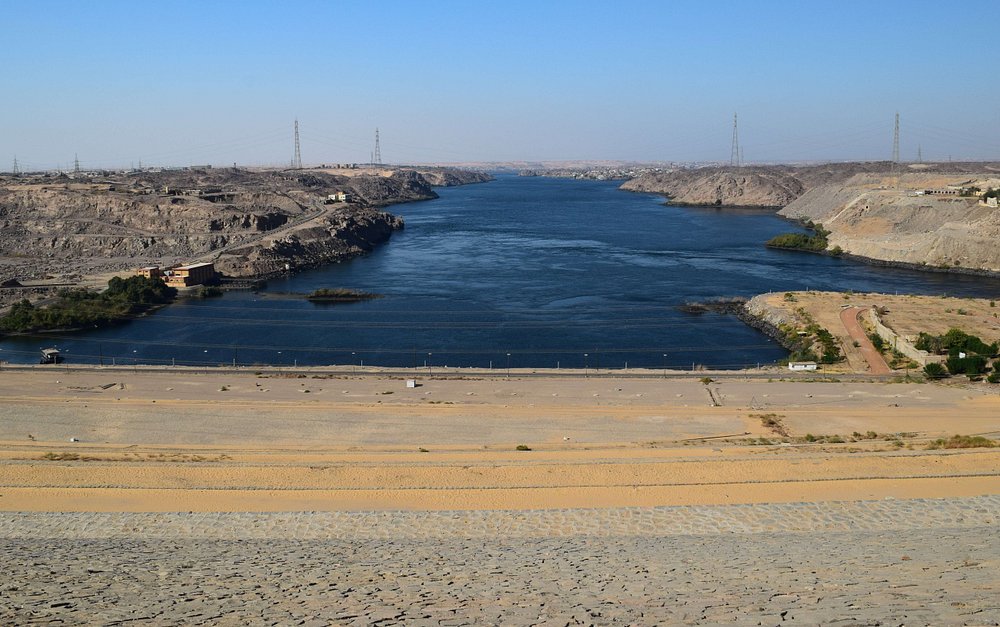
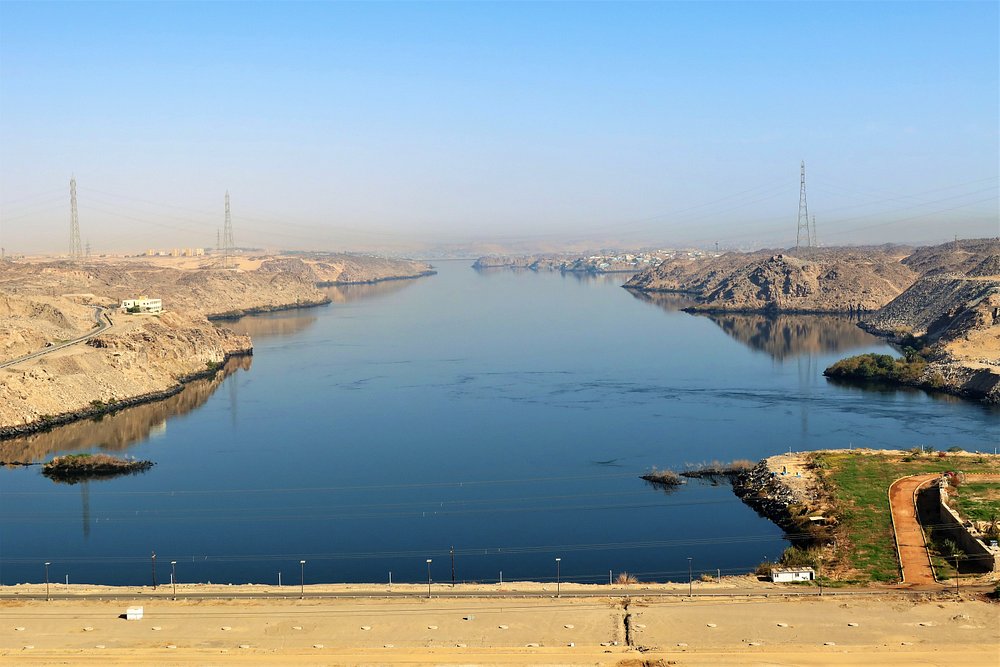
Visit the Aswan High Dam and the edge of Lake Nasser, then spend time birding quiet Nile channels. An optional early start can add Abu Simbel.
- High Dam and views over Lake Nasser
- Quiet Nile channels and reed beds
- Optional excursion to Abu Simbel (extra cost)
- Farewell dinner (own expense)
Day 9: Departure from Aswan
After breakfast, a private transfer takes you to Aswan airport for your onward flight, or you can extend your stay.
- Private airport transfer
- Optional extension to Marsa Alam and Wadi El Gemal





Birdwatching Sites and Species
Each region on this Egypt birdwatching holiday offers a different set of birds. The species below are examples of what birders can look for, depending on season.
Wadi El Natrun
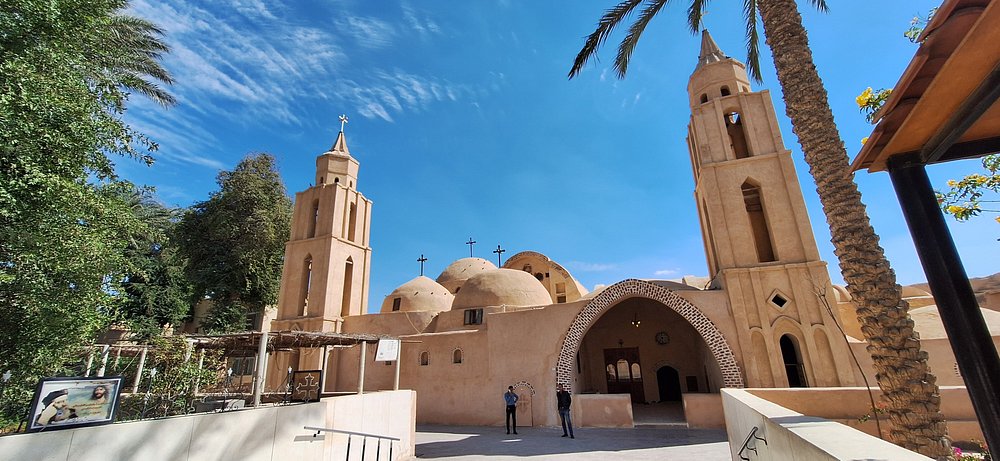
Wadi El Natrun is a depression with salt lakes and pools in the Western Desert, important for waders and waterfowl. In winter and during migration, look for species such as greater flamingo, black-winged stilt, avocet and Kentish plover, and for marsh harrier and other raptors hunting over the reeds.
Lake Qarun
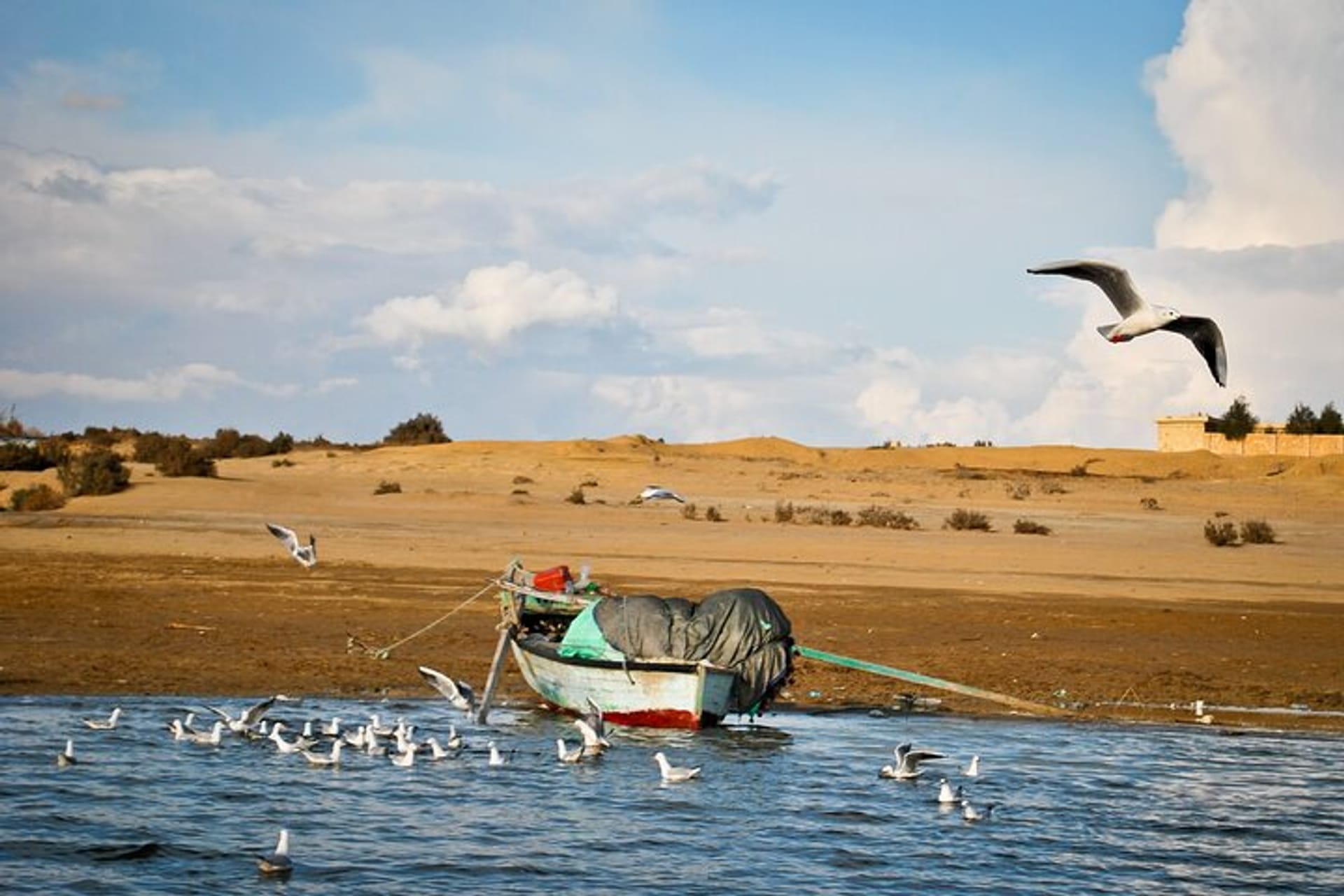
Lake Qarun is a large salt lake in the northern Fayoum and one of Egypt's main wetlands for waterbirds. Large flocks of ducks, grebes, gulls and waders gather in winter, with pelicans and flamingos often present. Its reed-lined edges also hold herons and egrets.
Wadi El Rayan
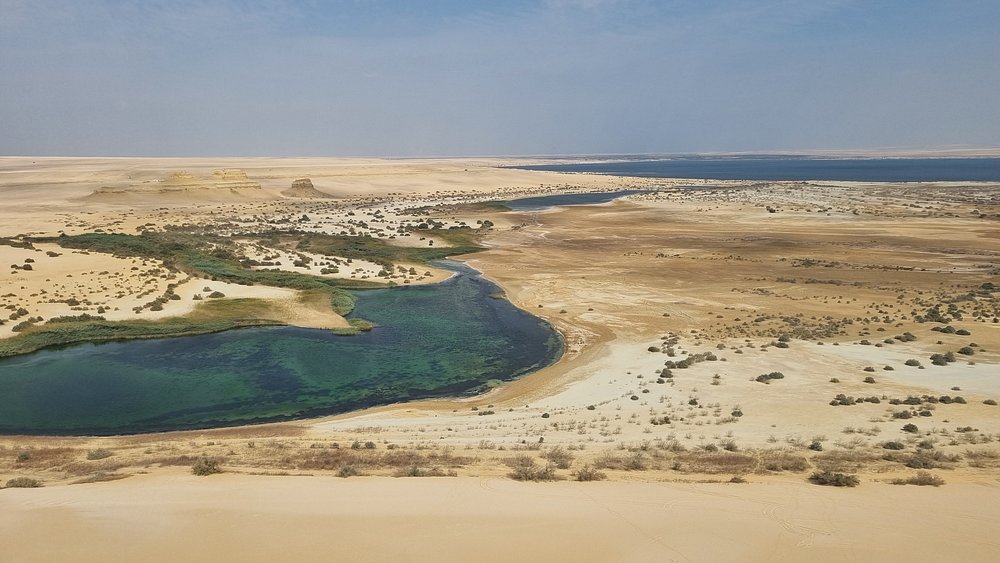
Wadi El Rayan has two lakes created from drainage water, with reed beds and sand dunes nearby. Waterfowl use the lakes, and desert species such as larks and wheatears can be found in the surrounding scrub and dunes.
Luxor and the Nile Valley
Around Luxor, fields, canals and palm groves along the Nile attract Egyptian geese, cattle egrets, hoopoes, little green bee-eaters and pied kingfishers. The desert edge on the West Bank is a good place to see raptors and desert larks.
Aswan and the Nile Islands
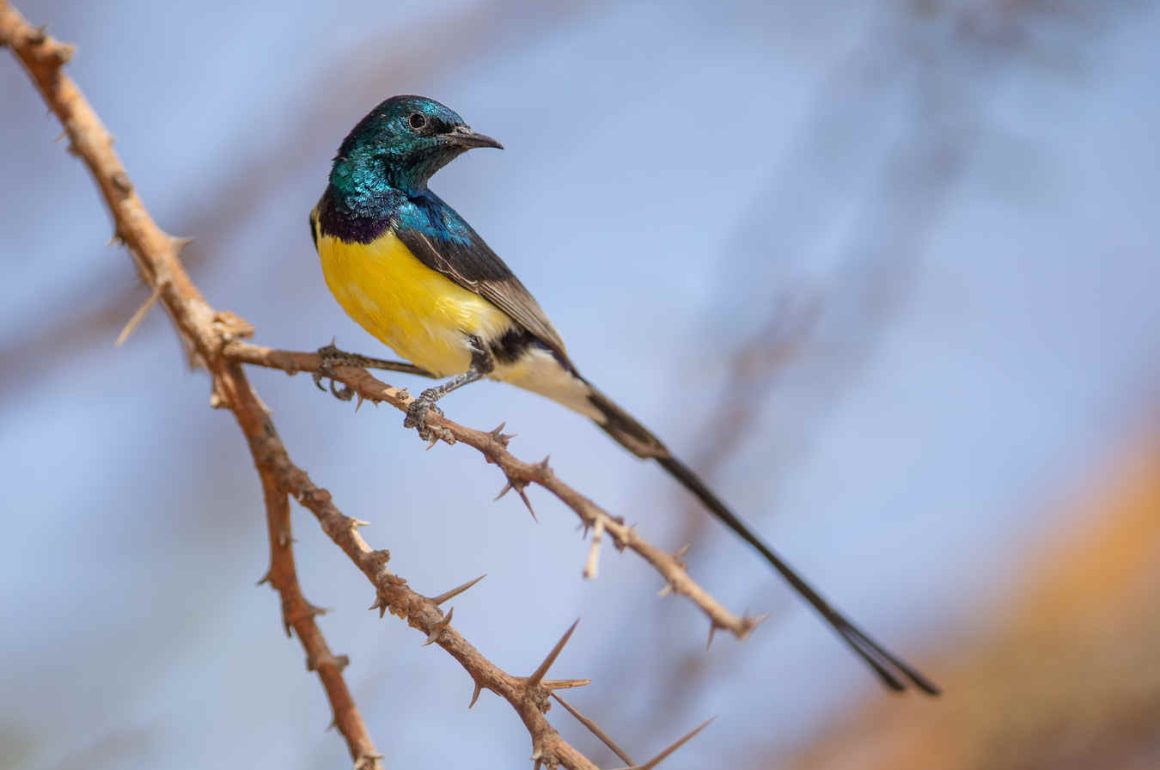
At Aswan, the river is studded with granite islands and gardens. The Botanical Garden is a good place to look for Nile Valley sunbird, and the surrounding channels hold herons, kingfishers and waders. Migrants stop here during spring and autumn.
Lake Nasser Edge
South of the High Dam, the huge lake holds waterbirds and fish-eating species along its shores, and the arid shoreline can hold desert birds. A visit to the dam gives a view of the reservoir that has changed Nile birdlife.
Culture Along the Way
Between birding sessions, the programme visits several major monuments, so you also experience Egypt's ancient heritage.
Karnak and the Valley of the Kings
Karnak in Luxor was the main temple of Amun-Ra, enlarged by pharaohs for around 2,000 years, and its Great Hypostyle Hall holds 134 giant columns. Between about 1539 and 1075 BCE, New Kingdom rulers were buried in the Valley of the Kings in rock-cut tombs, and nearby the terraced temple of Hatshepsut records her expedition to Punt.
Temple of Horus at Edfu
Built between 237 and 57 BCE under the Ptolemies, the Temple of Horus at Edfu is among the best-preserved ancient temples in Egypt because sand covered it for centuries.
Philae and the High Dam
The Temple of Isis at Philae was rebuilt on Agilkia Island between 1972 and 1980 after the Aswan High Dam flooded its original island. The dam, completed in 1970, created Lake Nasser and changed the Nile's flow and wildlife.
Migration and Seasons
Birdwatching Practicalities and Ethics
Accommodation and Meals
You stay one night in Cairo, two nights in the Fayoum, two nights in Luxor and three nights in Aswan. Hotel category is confirmed in your written proposal according to your budget and dates. Lodging in the Fayoum is simpler than in Cairo, Luxor or Aswan. Breakfast is included at hotels, and other meals follow your quotation.
Transport and Driving Times
All transfers and field drives use a private air-conditioned vehicle. The Cairo to Luxor leg is by domestic flight, and your quotation states whether it is included. Approximate driving times are:
| Cairo to Wadi El Natrun | Around 1.5 hours |
| Wadi El Natrun to Fayoum | Around 3 hours |
| Fayoum to Cairo airport | Around 2.5 hours |
| Luxor to Aswan | Around 4 hours with stops |
Times are approximate and depend on traffic, checkpoints and stops.
What Is Included and Not Included
Final inclusions are always confirmed in writing before payment.
Prices
The price depends on your dates, hotel category, group size and vehicle type. Send us your plan and we will reply with a clear written quotation.
| Book on WhatsApp |
| [email protected] |
Booking and Cancellation
Share your dates, number of travellers, target species and preferred comfort level. We send a personalised itinerary, you approve the details, and you pay by Cash, PayPal, Binance, Visa or Mastercard. Cancellation and amendment terms depend on the hotels selected and are stated in your written quotation. Call or message us on +20 100 925 5585.
Best Time to Go and What to Pack
The best time for birdwatching in Egypt is October to April, with migration peaks in autumn and spring and the largest wetland flocks in winter. Pack neutral-coloured lightweight clothing, a sun hat, sunscreen, sturdy shoes, binoculars, a field guide, a light jacket for cool mornings and your passport.
Frequently Asked Questions
What birds can I see in Egypt?
Is this tour only for experienced birders?
When is the best time for migration?
Can I see Egyptian monuments as well?
Can I extend the trip to the Red Sea coast?
Related Tours and Guides
Browse all Egypt holiday packages, or read about Luxor and Aswan and Abu Simbel.
Nine days of birding at salt lakes, oasis wetlands and the Nile, with temples along the way and a private guide. Share your dates and target species and we will prepare your personal proposal.
| Book on WhatsApp |
| Call +20 100 925 5585 |
| Email [email protected] |
Available daily for trip planning and booking support · Pay by Cash, PayPal, Binance, Visa or Mastercard